THIS WEEKEND IN CHICAGO – Celebrating Carnival Season & Other Events!

traditional brazilian carnival party concept stock illustration

This February weekend opens with celebrating the colorful carnival season, continues with other exciting events and closes out with Super Bowl LX to get us through, what hopefully will be our last cold snap of a very dreary, frozen, long winter.  But I wouldn’t hold my breath!

Navy Pier’s Grand Ballroom (600 E. Grand Ave.) is the place to be this Saturday (12 p.m.-5 p.m.) as it hosts the high-spirited event known as Global Connections: International Carnivale.  Enjoy the spirit of Carnivale cultures from New Orleans, Brazil, Jamaica, and beyond as this celebration brings out the sights, sounds, and spirit of the Carnival season.  Discover the many traditions with free artmaking, live music, dancing, sampling of traditional carnival dishes, performers dressed in elaborate bejeweled, feathered costumes, and more.  This event definitely will add some color to our blah winter thus far!

Navy Pier’s Family Pavilion will also be hosting the Black Makers Market every Saturday in February beginning this Saturday (12 p.m.-6 p.m.).  This vibrant marketplace celebrates local Black-owned brands, artisans, and creatives from all over the city who will be selling their handcrafted items that include accessories, fashion, books, candles, food items, jewelry, and more.  In addition, presentations, product demos, and giveaways are all part of this annual event as well!

Treat yourself to a day of loving yourself from the inside out at the first-ever “Love You Lab” Wellness Expo this Saturday (10 a.m.-3 p.m.) at The Den Theatre (1331 N. Milwaukee Ave.) in the Wicker Park neighborhood.  Nourish your mind, body, and heart with 20+ wellness vendors from skincare to fitness to nutrition to mental health to holistic healing and more.  Plus, you’ll be able to connect with local practitioners, discover new products, take part in free mini-treatments and consultations, receive a complimentary event tote bag, and much more.  Give yourself the Gift of Love!

Join the Andersonville neighborhood as they celebrate Fika Fest with the Coffee & Cocoa Crawl this Saturday (10 a.m.-2 p.m.) to explore the neighborhood’s specialty offerings that include coffee, hot cocoa, bakery items, and more.  Check in begins at 9:00 a.m. at the Swedish American Center (5211 N. Clark St.) to receive your route card and a commemorative special event mug for sampling.  You’re also encouraged to drop off puzzles for The Great Andersonville Puzzle Exchange this Sunday (10 a.m.-2 p.m.) also held at the Swedish American Center.  Again, this year, during the Puzzle Exchange, The Great Andersonville Puzzle Throw-Down takes place from 11:00 a.m.-2:00 p.m. at RAYGUN (5207 N. Clark St.) where contestants will compete to see who will finish the secret puzzle the fastest!

End your Sunday evening with Super Bowl LX where the NFC Champion Seattle Seahawks (16-3) take on the AFC Champion New England Patriots (17-3) at Levi’s Stadium in Santa Clara (home of the San Francisco 49ers) with a 5:30 p.m. kickoff on NBC (Channel 5).  Before then, you can catch the 5th Annual Puppy Bowl (12 p.m.-4 p.m.).  For those who wish to attend one of Chicago’s many watch parties, here are a few of them: Cody’s Public House (Lakeview) hosting both the Puppy Bowl and the Big Game; Hopsmith Tavern (Gold Coast); Ina Mae Tavern (Wicker Park); Bub City (River North); Bar Sol (Navy Pier) hosting the Bad Bunny-themed watch party.  Good Luck to Your Team of Choice!

Sue Moss and Dean’s Team Chicago

Neighborhood News: Chicago’s Iconic Museums show love with Free Days in February!

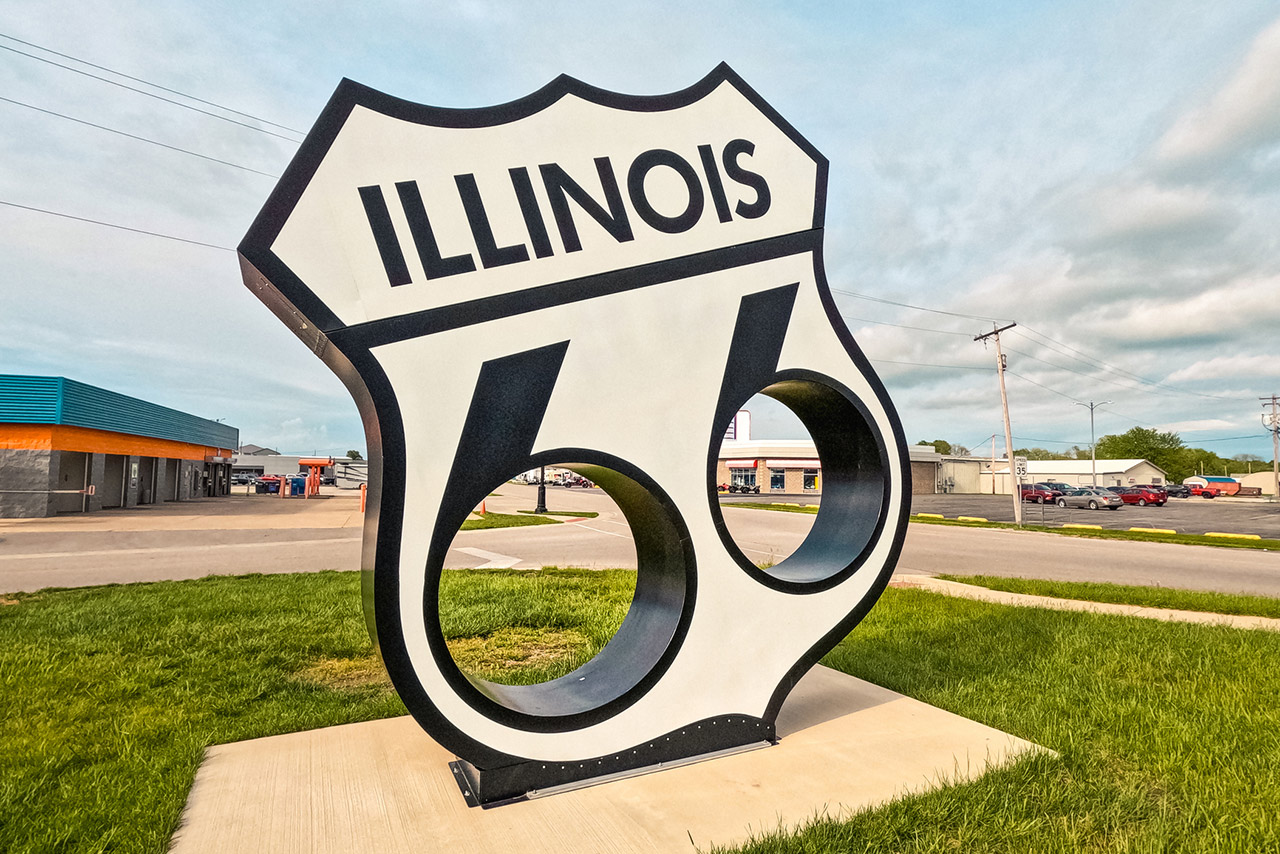
The sign at the modern wing of the Art Institute of Chicago, Illinois

Though February is the shortest month of the year, it seems like Chicago just packs more activities into a shorter time frame! 

The city makes the most of the month by offering February Free Days at Chicago’s iconic area museums. 

Take, for example, the Adler Planetarium, 1300 S. DuSable Lake Shore Drive, Illinois residents can enjoy free admission (with proof of residency) on the following days:

  • Monday, February 9
  • Wednesday, February 11
  • Wednesday, February 18
  • Monday, February 23

NOTE: Admission is always free for Illinois teachers.  Make sure to book online and in advance by clicking here.

In the Loop, The Art Institute of Chicago, 111 S. Michigan Avenue offers Free Winter Weekdays, through Saturday, February 28, 11am through closing each weekday (5pm on Mondays, Wednesdays, and Fridays and 8pm on Thursdays. )

To receive free admission tickets, Illinois residents must reserve online in advance.

NOTE: The museum is always free for Chicago teens under age 18, all children under age 14, Link and WIC cardholders, active-duty military, and Illinois educators. To reserve tickets, click here

Lincoln Park’s Chicago History Museum, 1601 N. Clark Street, helps you explore both Chicago and American history at their upcoming Illinois resident Free Day on President’s Day…Monday, February 16. 

Note: Throughout the year, admission is always free for active-duty military and active-duty Chicago police and firefighters, Illinois teachers, Illinois residents under age 18, and all children under 12. For tickets, click here

Washington Park’s DuSable Black History Museum and Education Center, 740 E. 56th Place,  offers free entry on select dates and for certain groups.

There’s free admission for all every Wednesday.

Note: Admission is always free for military and first responders, University of Chicago students, Chicago Park District employees, Illinois public school students, and other groups. For tickets and information, click here.

The iconic Field Museum, 1400 S. DuSable Lake Shore Drive.  Starting on Wednesday, January 7, every Wednesday throughout 2026 is free. 

Free tickets are available for advanced reservation online and on site. The free tickets include all general admission exhibitions. Just present a current Illinois driver’s license, state ID, or Chicago CityKey card at the ticket desk to establish proof of residency. For tickets and information, click here.

Note: Illinois teachers and active military personnel receive free general admission year-round.

In Hyde Park, the Griffin Museum of Science and Industry, 5700 S. DuSable Lake Shore Drive, offers several free admission days for Illinois residents. In February , free days are available on:

  • Sunday, February 8
  • Monday, February 9
  • Tuesday, February 10
  • Wednesday, February 11
  • Thursday, February 12
  • Tuesday, February 17
  • Wednesday, February 18
  • Thursday, February 19
  • Monday, February 23
  • Tuesday, February 24
  • Wednesday, February 25
  • Thursday, February 26

Note: The museum is always free for United States military active-duty personnel and veterans, Illinois POWs, Chicago firefighters & Chicago police officers, Illinois teachers (Pre-K through 12th grade), United States military active-duty personnel and veterans also receive $4 off U-505 On-Board Tour tickets for themselves. Forinformationand reservations, click here. 

The newly re-opened Museum of Broadcast Communications, 440 W. Randolph Street, offers Free Winter Wednesdays,  which includes access to all museum exhibits. Advance online ticket reservations are required, and a $4.50 convenience fee per order applies. 

Note: Walk-up entry is not available for free admission; visitors arriving without advance reservations will be charged regular admission ($19 adults ).  To reserve tickets, click here.

Streeterville’s Museum of Contemporary Art,  220 E. Chicago Avenue, reserves every Tuesday from 5pm – 9pm for Illinois residents to receive free admission.

Note: The museum is always free for visitors under age 18, visitors with disabilities and their caregivers, active members of the military, police, and fire departments, veterans and their families, and Illinois elementary and high school teachers. 

And …If it’s not Tuesday evening, MCA has a pay-what-you-can policy — no one will be turned away.

Another Museum Campus favorite is the venerable Shedd Aquarium,1200 S. DuSable Lake Shore Drive.  Illinois residents free access to all permanent exhibits on select dates throughout the year. In February, the free days are:

2026

  • Tuesday-Thursday, February 10 – 12 
  • Tuesday-Thursday, February 17 – 19
  • Tuesday-Thursday, February 24 – 26

And…Admission is always free for Chicago police officers and firefighters, active-duty U.S. military personnel, and educators from Illinois, Indiana, Michigan, and Wisconsin.

NOTE: There is a $5 convenience fee per order for Free Hours reservations made online. 

HOWEVER, you can reserve tickets by phone with no convenience fee by calling 312-939-2438. 

Andersonville’s Swedish American Museum, 5211 N. Clark Street, has free admission every second Tuesday of the month throughout the year, and children aged 1 year or younger are admitted free every day they are open. Their current exhibit, We Are America, explores Swedish immigration to Chicago. There are environmental displays such as the deck of a steamship, a 19th century Swedish stuga (cottage), an early 20th century Swedish-American woodshop, and a mid-century Swedish-American kitchen. 

If you plan on visiting with a group of 10 or more, it is highly recommended that you contact the museum so that they can accommodate you for a guided or self-guided tour.  For more information, click here

Alison Moran-Powers and Dean’s Team Chicago 

Restaurant Review: Hurry! Chicago Restaurant Week celebration ends Sunday

Group of happy friends eating lunch together in a restaurant

After 17 fun-filled, adventurous days, another successful Chicago Restaurant Week will be the books. However, through Sunday, February 8,  you can still take advantage of special prices at Chicago’s best and most prestigious restaurants!

With warmer temperatures predicted for later this week, traveling through the city  is possible to explore Chicago ‘s diverse communities. 

Take, for example, Hyde Park’s Mahari, 1504 E. 55th Street, the Afro-Fusion restaurant offers a $30 lunch, and $45 and $60 dinners including Suya Mushroom Flatbread with Creole sauce and whipped feta, Pineapple-Brined Wings, a Caribbean-inspired Lamb Burger, and and so much more! For reservations, click here.

Below an urban farmin the West Loop, Maxwells Trading, 1516 W. Carroll Avenue, in the Kinzie Industrial Corridor, takes root in Chef Partner Erling Wu-Bower and Executive Chef Chris Jungs cross-cultural identities while taking advantage of the rooftops bounty to create a menu with Asian influence.  They’re offering a $60 dinner that includes Whipped Ricotta with local honey and griddle bread and the vibrant Japanese Sweet Potato with red curry. Entrees include a Half Chicken a la Brasa with split pea, apple, escarole, and ginger-scallion salsa verde. For reservations, click here.

In Lincoln Park, Ox Bar & Hearth, 1578 N. Clybourn Avenue, focuses on seasonal Midwestern food using fresh, locally sourced ingredients and featuring a cozy, wood-burning hearth in the midst of its restaurant. As Choose Chicago notes, for its first Chicago Restaurant Week, Chef John Asbaty and restaurateur Alain Uy are serving a $60 dinner that includes such offerings as Lamb Meatballs, Crispy Smoked Pork Belly, Potato Pierogi, and for dessert, Brown Butter Cake. For reservations, click here.

Where else but Greektown could you find Ithaki Estiatorio, 314 S. Halsted Street? As they say, in welcoming guests, they’re honoring the ancient tradition of Xenia, the sacred Greek custom of hospitality, which dictates that you must treat your guests as if they were gods themselves. In the spirit of Xenia, they’re offering a $60 three-course dinner,  cooked on their  wood-burning grill in the open kitchen, which turns out classic dishes like Souvlaki, Roast Chicken, and Sea Bass.  For reservations, click here.

At Lincoln Park’s Nadu, 2518 N. Lincoln Avenue, from Chef Sujan Sarkar (the chef behind Michelin-starred Indienne, this new restaurant focuses on contemporary, regional Indian cuisine. ‘NADU,’ meaning ‘homeland’ reflects their commitment to showcasing the rich cultural and gastronomic landscapes of India. They’ve already caught Michelin’s attention, earning a Bib Gourmand designation. Their $45 dinner menu includes such choices as Jackfruit Shami Kabob (Lucknow) with lentils and mint- cilantro chutney, Padpad, (lentil and rice crisps) and Rasam, a tangy tamarind soup. For reservations, click here.

Konbini & Kanpai Wrigleyville, 3443 N. Sheffield Avenue,  was Inspired by Japanese convenience store culture. For $30 at lunch and $45 at dinner, Konbini & Kanpai offers an array of sakes and packaged good alongside a menu of Japanese cuisine. Try Kimchi Pancakes, Japanese Fried Chicken, Katsu Curry, Tofu Bibimbap, and Miso Cucumber Cold Noodles. For reservations, click here.

Happy eating, all! 

Alison Moran-Powers and Dean’s Team Chicago

Chicago Home and Lifestyles – Cut down on cleaning time with this weekly schedule

Young mixed race woman smiling while cleaning a kitchen table at home

Many of us leave cleaning for the weekend and often spend a good amount of time on this task. Wouldn’t you like to get it done in a few hours instead of all day? The trick to that is to do just a few things every day. You’ll find it really cuts down on the time it takes to do a bigger clean on the weekend!

 Here is a schedule of daily and weekly tasks to make cleaning the house quicker and easier:

Start in the kitchen. Daily tasks are best done after dinner dishes are done. Wipe down all the countertops, stove and sink. Load, then empty the dishwasher. Wipe down door handles and cabinet hardware (the best way to prevent spreading illness). Every week, do a quick look through the refrigerator to toss any expired food or leftovers past their prime and wipe down the inside. Sweep and mop the floors. Clean windows and dust blinds. 

Bathrooms are the next most used rooms, and daily cleaning is highly recommended to keep things hygienic. Just like the kitchen, wipe down the sink, toilet and countertops. This is best done after you shower when everything is still steamy. Weekly, you need to sweep and mop floors and clean the baseboards. Scrub your shower doors, bathtub and deep clean the toilet. 

The living room is a little easier. In general, you need to just pick up any items that don’t belong and do a quick Swiffer on tabletops. Weekly tasks include vacuuming carpets or dust mopping hardwood along with dusting tables, blinds, ceiling fans, and entertainment centers. Clean the mirrors and windows, then finish with vacuuming furniture and spraying fabric freshener. 

Bedrooms are another room we spend a lot of time in. The best thing you can do here is make your bed daily and put away laundry or clothes that are lying around. Weekly, just vacuum, dust and clean mirrors. 

Most other spaces around the house are much the same. Dusting, vacuuming or mopping weekly keeps spaces tidy. One of your best cleaning tools are sanitary wipes. Wipe down any surfaces daily that everyone touches, mainly door handles and light switches. So, try this schedule to keep your home clean while spending the least amount of time!

Kathleen Weaver-Zech and Dean’s Team Chicago

The First 30 Seconds: How Buyers Decide If They Love a Home

Chic entrance foyer with high ceiling and wide staircase with lights and contemporary railing

It may sound dramatic, but it’s true: most buyers form an emotional opinion about a home within the first 30 seconds of walking through the door. Before they’ve seen the backyard, checked the square footage, or opened a single cabinet, they already have a feeling—and that feeling often determines whether they fall in love or start mentally moving on.

Understanding what happens in those crucial first moments can make all the difference when preparing a home for sale.

Why the First Impression Matters So Much

Buying a home is emotional. While buyers rely on data, budgets, and inspections, their initial reaction is almost always instinctive. The brain is quickly asking: Does this feel right? Can I picture my life here?

If the answer is yes, buyers are more forgiving of flaws they notice later. If the answer is no, even a beautiful kitchen or perfect floor plan may not be enough to change their minds.

That’s why the opening moments matter more than many sellers realize.

What Buyers Notice Immediately

In those first 30 seconds, buyers aren’t analyzing—they’re absorbing. Here’s what typically stands out right away:

1. Curb Appeal Sets the Tone

The experience begins before buyers step inside. An overgrown lawn, peeling paint, or cluttered porch can create hesitation before the door even opens. On the flip side, a clean exterior, trimmed landscaping, and a welcoming entry instantly build confidence.

Buyers often assume that if the outside is well cared for, the inside will be too.

2. Light and Space

As soon as buyers walk in, they register how bright and open the home feels. Natural light is one of the strongest emotional drivers in real estate. Dark rooms, heavy drapes, or blocked windows can make a home feel smaller and less inviting—even if it’s not.

Simple changes like opening blinds, turning on lights, and removing bulky furniture can dramatically change this first impression.

3. Smell (Yes, Really)

Scent is powerful and often subconscious. Fresh, clean air makes a home feel well maintained. Lingering pet odors, heavy cooking smells, or overly strong air fresheners can immediately turn buyers off.

The goal isn’t to make the home smell like something—it’s to make it smell neutral and clean.

4. Entryway Impact

The entryway is a psychological transition point. Buyers are mentally shifting from the outside world into “this could be my home.” A cramped, cluttered, or dark entry can feel jarring, while a clean, open, and styled space feels welcoming.

Even small touches—like a mirror, a simple console table, or fresh flowers—can elevate this moment.

The Emotional Checklist Buyers Run Instantly

Within seconds, buyers are subconsciously asking themselves:

  • Does this feel comfortable?
  • Does it feel clean and well cared for?
  • Can I imagine my furniture here?
  • Does this match my lifestyle?

If the home answers these questions positively, buyers relax and begin exploring with curiosity instead of criticism.

How Sellers Can Win the First 30 Seconds

The good news? You don’t need a full renovation to make a strong first impression. Focus on these high-impact steps:

Declutter Ruthlessly

Clutter makes spaces feel smaller and distracts buyers from the home itself. Clear countertops, remove excess furniture, and simplify décor—especially near the entry and main living areas.

Deep Clean Everything

Buyers notice cleanliness immediately, even if they can’t articulate it. Floors, baseboards, windows, and light fixtures should all be spotless. A clean home signals care and pride of ownership.

Let the Light In

Maximize natural light by opening blinds, removing heavy curtains, and trimming exterior landscaping that blocks windows. Replace dim bulbs with bright, warm lighting to create an inviting glow.

Neutralize and Depersonalize

Bold colors and personal items can make it harder for buyers to picture themselves in the home. Neutral tones create a blank canvas and help buyers mentally move in.

Create a Welcoming Flow

Make sure the path from the front door into the main living space feels open and intuitive. Rearranging furniture to improve flow can have an outsized impact on how the home feels in those first moments.

First Impressions Create Momentum

When buyers love a home within the first 30 seconds, everything that follows feels better. Rooms seem larger. Layouts make more sense. Minor flaws feel manageable. That initial emotional connection creates momentum that often leads to stronger offers and faster decisions.

In real estate, you rarely get a second chance at a first impression. By focusing on what buyers experience in those opening moments, sellers can dramatically improve how their home is perceived—and increase the odds that buyers don’t just like the home, but truly fall in love with it.

THIS WEEKEND IN CHICAGO – Venturing Outside Again!

joyful characters friends jumping in the snow vector illustration

Climbing the walls and just need to get out of the house no matter how cold or snowy it might be this weekend?  Well, here are a few suggestions to get yourself outside again!

Returning to its original home, the 12th annual Cider Summit Chicago is this Saturday (2 p.m.-6 p.m.) at Navy Pier (600 E. Grand Ave.) in the Streeterville neighborhood.  This year over 125 selections from 40+ leading cider, mead, and fruit spirit producers will be featured.  Other features include onsite food sampling and food sales; an event store offering a variety of merchandise and selected bottles/cans to-go; and live Instagram segments.  In addition, new this year is a pre-opening (12 p.m.-1 p.m.) Cider-Cupcake Tasting featuring Molly’s Cupcakes which is limited to 72 participants who must have a VIP or General Admission ticket to be allowed access.  Plus, each ticket holder will receive a $20 coupon from Postmates (convenient ordering and delivery from local restaurants/stores delivered by Uber) good for orders between January 31-February 8!

It’s time to brave the cold for the 19th annual Chicago Restaurant Week 2026 now through February 8 held at various locations throughout the city and suburbs.  It’s the perfect opportunity to finally dine out at Michelin-star restaurants and/or neighborhood favorites that offer special prix fixe menus for brunch and lunch ($30), and dinner ($45 and/or $60).  With over 550 participating restaurants, this 17-day celebration of Chicago’s dining scene is one of the most anticipated culinary events of the year, and not to be missed!  Bon Appetit!

Liven up your winter this weekend with some Live Ice Sculpting organized by SSA 27 (Special Service Area 27 serving Chicago’s West Lakeview neighborhood).  Saturday’s event will be held at the CTA Paulina Brown Line (3411 N. Paulina St.) from 2:00 p.m. to 4:00 p.m. while Sunday’s event will be held at St. Alphonsus Church (1429 W. Wellington Ave.) from 12:00 p.m. to 2:00 p.m.  Watch master ice carvers as they sculpt a block of ice into a beautiful creation that was suggested by a member of the audience.  In addition, attendees will receive complimentary beverages and pastries provided by Café Tola.  If you can’t beat the cold, you might as well enjoy it!

Enjoy an evening out this Saturday (6 p.m.-11 p.m.) at Artifact Events (4325 N. Ravenswood Ave.) in the Ravenswood neighborhood for Begyle + Friends with participating Breweries and Cideries that include Begyle Brewing, Dovetail Brewery, Revolution Brewing, Tandem Cider, Uncle John’s Cider, and many others too long to mention here and participating Distilleries and Cocktail Experts include Aged & Infused, Old Forester & Ford’s Gin, WhistlePig Whiskey, and others.  In addition, food trucks and pop-up options from El Zorro, Beard & Belly, Happy Lobster, and others will be available to feed your hunger along with live music provided by Punk’d (7 p.m.) and Yacht Rockettes (9 p.m.).  Afterall, it’s just a friendly winter party!

Since Super Bowl LX isn’t until next weekend, this weekend’s Chicago sports event takes you to the Ramova Theatre (3520 S. Halsted St.) in the Bridgeport neighborhood this Saturday (6 p.m.) for the last day of SoxFest Live.  A General Admission ticket ($35) gets you access to SoxFest Live Level 1 theatre, main stage floor, and taproom; event programming with mixed GA seating and standing options; experiences with opportunities for spontaneous and authentic White Sox player interaction; photo opportunities with access to installations and setups; and concessions available for purchase.  Plus, a SoxFest Kids Camp will be held this Saturday (9 a.m.-11 a.m.) at the ComEd Rec Center (1434 S. Loomis St.) in the Pilsen neighborhood and will feature a hands-on baseball clinic; rotating stations focusing on hitting, pitching, fielding, and outfield skills; autograph and photo opportunities with select White Sox players; and a limited-edition SoxFest Kids Camp T-Shirt.  Believe it or not, warmer temps are on the horizon!

Sue Moss and Dean’s Team Chicago

Neighborhood News: Chicagoan Harold Ramis Honored on Groundhog Day at Harry Caray’s Tavern on Navy Pier

Navy Pier in winter, Chicago Downtown stock photo

Twelve years after his passing, who was Harold Ramis? 

“He wasn’t loud. He didn’t mug. He built worlds that lasted. Comedy didn’t just change because of Harold Ramis — it matured.”

Love, Gilda post on Facebook 

Of all the comedy legends coming out of Chicago…starting with Jack Benny, and going straight through Bill Murray and John Belushi, Harold Ramis (November 21, 1944 – February 24, 2014) was in a class of his own. 

The comedian/filmmaker/actor/director acted in and created some of the most memorable comedies of our time, including ‘Stripes,’ ‘Animal House,’ ‘Groundhog Day,’ ‘Ghostbusters,’ and ‘Caddyshack.’ Yet, he never forgot that he was a Chicagoan, first and foremost.

Harold Ramis’ Roots

As Wikipedia sources note, Ramis was born in Chicago, where his parents owned Ace Food & Liquor Mart on the city’s West Side. He graduated from Nicholas Senn High School in 1962, going on to Washington University in St. Louis. 

Ramis began writing parodic plays in college, saying years later, “In my heart, I felt I was a combination of Groucho and Harpo Marx, of Groucho using his wit as a weapon against the upper classes, and of Harpo’s antic charm and the fact that he was oddly sexy—he grabs women, pulls their skirts off, and gets away with it.”

Following his work in St. Louis, Ramis returned to Chicago, where by 1968, he was a substitute teacher at schools serving the city’s Robert Taylor Homes public housing development. He also freelanced for the Chicago Daily News, an afternoon newspaper, which led to him becoming joke editor at another Chicago institution, Playboy Magazine, Ramis also started studying and performing with Chicago’s Second City improvisational comedy troupe, where he was famously replaced by Wheaton native John Belushi on stage in 1972.

In 1974, Belushi brought Ramis and other Second City performers, including Ramis’s frequent future collaborator Bill Murray, to New York City to work on The National Lampoon Radio Hour. Later, Ramis became a performer on, and head writer of, the Canadian sketch-comedy television series SCTV from 1976-79.

How did Chicago influence his storytelling?

Ramis told Chicago Magazine in 2008 that what influenced him the most, as a Chicagoan, were “The Chicago stories that I latched onto were all stories of Clarence Darrow and radical unionism and the Haymarket, Studs Terkel and the Chicago Underground. You know, counterculture stuff and populist politics.

That explains a lot about ‘Animal House’ and ‘Caddyshack,’ doesn’t it? Going up against institutions where elites and academics prevail. 

Becoming a Comedy Legend 

Ramis left SCTV to pursue a film career and wrote a script with National Lampoon magazine’s Douglas Kenney, which eventually became National Lampoon’s Animal House. 

Over the next 30 years, Ramis would become the gold standard of comedy directors, writers, producers and actors. Besides writing Animal House and ‘Meatballs,’ and writing and directing ‘Caddyshack,’  ‘Groundhog Day,’ he helmed ‘Analyze This’ and ‘Analyze That,’ the remake of ‘Bedazzled,’ and the classic ‘National Lampoon’s Vacation’ with Chevy Chase.

Ramis’ last movie was ‘Year One’ in 2009, starring Jack Black. A year later, he was diagnosed with autoimmune inflammatory vasculitis, a condition causing inflammation of the blood vessels. After battling the disease for four years, he passed away at age 69 in  2014 due to complications of this rare disease. He is buried at Shalom Memorial Park in Arlington Heights.

Legacy 

In 2016, two years after his death, The Second City founded the Harold Ramis Film School, the first film school to focus solely on film comedy, in his honor.

Additionally, Ramis’s films influenced subsequent generations of comedians, comedy writers and actors. Filmmakers and actors including Jay Roach, Jake Kasdan, Adam Sandler, Judd Apatow, and Peter and Bobby Farrelly have listed his films among their favorites.

Event: Animal House meets Groundhog Day- Celebrating Harold Ramis Day  at Harry Caray’s Tavern, February 2 at Navy Pier 

Fans are invited to celebrate the 3rd Annual Harold Ramis Day on Monday, February 2nd at Harry Caray’s on Navy Pier.

Will the Groundhog see his shadow on Lake Michigan in 2026? 

Find out for yourself on Monday, February 2, at 3pm at Harry Caray’s Tavern on Navy Pier, 700 E. Grand Avenue! They’ll be mashing up two of Ramis’ most iconic movies—‘Animal House’ and ‘Groundhog Day” with Tim “Otter” Matheson, who serves as Master of Ceremonies,  along with James “Hoover” Widdoes, Peter “Boon” Riegert, Mark “Neidermeyer” Metcalf, James “Greg Marmalard” Daughton, and Martha “Babs” Smith. Also returning is Richard Henzel, beloved by fans as the voice of the “DJ” in Groundhog Day, continuing a Harold Ramis Day tradition that bridges this year’s Animal House theme with the ceremony’s roots. Chicago Harry, a live groundhog, will emerge from his tree stump to reveal whether he sees his shadow!

The Groundhog Day Ceremony will take place outside on the patio and is open to the public.

The event is free, but reservations for lunch are strongly recommended! For reservations, click here!

Restaurant Review: Week Two of Chicago Restaurant Week Begins!

Restaurant reserved table sign with places setting and wine glasses ready for a party

Welcome to Week Two of the 17-day celebration that is Chicago Restaurant Week!  

Through Sunday, February 8, braving the cold weather reaps great rewards at Chicago’s award-winning restaurants. Diners can enjoy special prix fixe menus for brunch and lunch ($30), and dinner ($45 and/or $60) at a record-breaking 550+ restaurants across the city.

Take, for example, Miru,  401 E. Wacker Drive.  This award-winning restaurant, whose name means ‘view’ in Japanese, in the heart of Chicago’s Loop offers stunning views of the Chicago River and Lake Michigan inside The St. Regis Hotel. For $30 per person at lunch or $60 per person at dinner, you can dine on  such delicacies as Chirashi, with tuna, hamachi, salmon, ikura, sushi rice, and wasabi, Crispy Chicken Katsu, made with pickled onion, radish, ginger rice, and  Tonkatsu sauce, Miso Black Cod, Flat Iron Steak, and Wild Mushroom Sizzling Rice. For reservations, click here. 

In Andersonville, Uvae Kitchen & Wine Bar 5553 N. Clark Street, offers two dinner options: a $45 per person, three-course globally inspired dinner menu and a $60 prix fixe menu that includes wine pairings. You can enjoy dishes like Lobster Cakes, Braised Pork with Cheddar Grits, and Short Rib Wellington. For reservations, click here. 

River North’s brunch spot, Toast It IZ, 22 E. Hubbard Street, has concocted a special Southern-inspired, three-course $60 per person menu that includes a cocktail or mocktail. Choose from Fried Green Tomatoes with remoulade or Cajun Deviled Eggs, followed by your choice of Banana Pudding Chicken & Waffles, Crispy Fried Catfish & Grits or Shrimp & Grits with Cajun Cream Sauce. Finish out with Decadent Bourbon Bread Pudding French Toast! For reservations, click here.

Lincoln Park’s The Albion Manor, 1480 W. Webster Avenue, a bi-level English pub and cocktail lounge known for its traditional pub fare, is offering lunch for $30 + tax/tip, and dinner, which includes one craft cocktail or mocktail for $45 + tax/tip. Choose from starters like Fried Brussel Sprouts tossed in hot honey with slivered almonds and goat cheese, or the Albion Winter Salad with baby kale, grilled pear, roasted squash, caramelized pecans, goat cheese, and honey ginger lemon vinaigrette, followed by your choice of entrees like a Steak Sandwich, made with skirt steak, English cheddar, horseradish aioli, grilled red onion & mushroom, and arugula, on ciabatta roll, or a Vegetarian Shepherd’s Pie with lentil, peas, carrots, and onions, topped with mashed potatoes and served with sourdough. You can get that with ground lamb for a traditional Shepherd’s Pie as well. For reservations, click here. 

In Avondale, Eden,  2734 W. Roscoe Street, offers a $30 lunch and $60 dinner featuring seasonal dishes created just for this limited-time celebration. Lunch includes your choice of a Short Rib Pastrami Reuben with savory sauerkraut and rye sourdough, or a WoodGrilled Lion’s Mane Mushroom Sandwich with miso-marinated mushrooms, provolone, and truffle aioli on rosemary focaccia, and includes your choice of soup or Eden Salad, plus a classic cookie for dessert.  

Their three-course dinner includes your choice of Farmer Greens and Sprouts with tangerine and sunflower basil vinaigrette, or WoodRoasted Cauliflower and Lentils with fermented ground cherry and pistachio dukkha. Main courses include Roasted Mushroom Lasagna or Roasted Duck Lasagna, each layered with béchamel, ricotta, and pecorino jus. Dessert options include Winter Citrus Tart or a gluten-free, plant-based Rice Pudding. For reservations, click here.

Tacotlán, 4312 W. Fullerton Avenue, is a Hermosa-based Mexican taqueria that specializes in quesabirrias (a combination of quesadilla and taco).  They’re offering a three-course $30 lunch and $60 dinner that includes such choices as a Lalos on the Beach Burrito, ChileRelleno or 3 Quesabirrias Dinner, and for dessert, your choice of Tres Leches flavors, including Abuelita Chocolate, Café fe Olla, and  Churro. No reservationsaccepted. For more information, click here.

Alison Moran-Powers and Dean’s Team Chicago

Chicago Home and Lifestyles – 6 Winter vegetables to add protein to your diet

Brussels sprout plants covered by fresh snow

We don’t usually think of protein when we are choosing vegetables for our winter recipes. We think of fiber, antioxidants and a great host of other healthy nutrients—but many of the vegetables we use in the winter do have a good amount of protein. It’s an excellent reason to shop seasonally and boost the protein content in your meals. 

Spinach is available year-round, but it is considered a cold weather vegetable. Spinach has more than 5 grams of protein in one cup (cooked). It is also a good source of calcium, iron and vitamin K, all essential for energy production and bone health. It also boosts your immune system with vitamin C and carotenoids. Spinach is delicious sauteed with garlic and olive oil. You can also blend it into soups and smoothies, layer it into lasagna and other casseroles or simply steam for a side dish. 

Frozen green peas are a great winter vegetable. They are frozen at the peak of freshness and are a great addition to our diets when fresh vegetables are less plentiful. But did you know that they contain 4 grams of protein in half a cup? They are also packed with vitamins K and A, along with essential minerals like magnesium, potassium and calcium for heart health. Peas can be added to almost any dish like soups, stews or pasta. They add freshness to cold salads and are great steamed with butter and herbs. Toss them in stir fries and fried rice!

Russet potatoes are a great winter vegetable packed with nutrients. They also contain 5 grams of protein (one medium baked potato) in addition to the minerals potassium and manganese. When you leave the skin on, potatoes are high in fiber and promote good digestion. Mash them with the skins on, add them to soups and stews to thicken and add nutrients, or sauté with onions and peppers to boost your breakfast spread. You can also season and roast thick cut planks (fries) with olive oil and garlic. 

Parsnips are perhaps considered an old-time vegetable, but they are tasty and good for you. One parsnip contains 2 grams of protein, and is high in vitamins C and K, in addition to copper, manganese, and zinc. You can cook them like carrots, they’re great in a winter vegetable roast. Blend them with roasted squash for a hearty winter soup. They are a great addition to any soup, stews and casseroles. 

Mushrooms are a great winter addition. White mushrooms contain 2 grams of protein while portobellos have 3 grams. Mushrooms are also one of the best sources of ergothioneine, a compound tied to brain health and protects against cognitive decline. They also contain vitamin D, necessary for us Midwesterners as we don’t get as much from the sun during the short days of winter. Mushrooms are very versatile. Toss raw into salads. Sauté oyster or shitake for a great side dish or roast with other winter vegetables. Large portobellos are a good meat substitute for grilling or stuffing. 

Last, but not least, are brussel sprouts. These humble vegetables have become increasingly popular as we discovered that, no, they aren’t gross—our mothers just cooked them too long, causing that nasty, sulfur taste. They contain 4 grams of protein in one cup along with vitamins, antioxidants and fiber to feed your gut bacteria. Roast in olive oil and balsamic glaze for a sweet savory side. Saute with pancetta, garlic and olive oil. Shave Brussels sprouts and add to a salad with warm cider vinegar and olive oil. 

Do you have any good ideas for using these protein rich winter vegetables?

Kathleen Weaver-Zech and Dean’s Team Chicago

Flex Rooms: Why the Most Valuable Room in Your Home Doesn’t Have a Fixed Purpose

Home office desk with laptop computer, calculator, spiral book, coffee and a white flower bouquet, business accounting concept, copy space, selected focus

Walk through your home and think about the room that gets the least use—or the one that’s constantly changing. Maybe it was supposed to be a dining room, but it’s now half office, half storage. Or a guest room that only sees visitors twice a year. That room? That’s your Flex Room—and it might be one of the most important spaces in your home.

Today’s homeowners aren’t looking for more rooms. They’re looking for better ones.

What a Flex Room Really Is (and Why Homeowners Love Them)

A Flex Room isn’t defined by square footage or location. It’s defined by freedom. It’s the room that adapts as your life does—without requiring a move or a remodel.

For homeowners, that flexibility means:

  • A home office during the week that converts into a guest room on weekends
  • A workout room that later becomes a nursery or playroom
  • A quiet retreat now that could easily serve as a study, hobby room, or media room later

Instead of locking your home into one phase of life, Flex Rooms let your home grow with you.

Why Flex Rooms Feel So Valuable to Live In

Life changes faster than floor plans. Remote work, hybrid schedules, side projects, kids moving in or out, and aging parents have all changed how homeowners use their homes.

Flex Rooms solve a common frustration:

“We love our house, but it doesn’t quite work anymore.”

With a Flex Room, you don’t need to upsize or reconfigure your entire home when your needs shift. One room absorbs the change.

That adaptability creates:

  • Less stress
  • Fewer compromises
  • More reasons to stay in a home longer

And that’s something homeowners feel every single day.

How Homeowners Are Actually Using Flex Rooms

The most successful Flex Rooms aren’t overly designed—they’re intentionally neutral. Homeowners are using them as:

  • Work-from-home offices that don’t feel permanent
  • Homework or creative rooms that can be closed off
  • Guest rooms that don’t sit empty 90% of the year
  • Wellness rooms for yoga, meditation, or fitness
  • Second living areas that change with the season or stage of life

The key is that none of these uses are final. The room can—and will—change again.

If You’re a Homeowner Thinking Ahead

Even if you’re not planning to sell anytime soon, Flex Rooms quietly future-proof your home.

When the time does come to sell, buyers are no longer asking, “Is this a dining room?” They’re asking, “What could I do with this room?” Homes that answer that question clearly feel more livable—and more valuable.

To make the most of your Flex Room:

  • Avoid permanent built-ins that lock in one function
  • Keep finishes neutral and lighting adaptable
  • Use furniture to define zones, not walls
  • Think in terms of options, not labels

Why Flex Rooms Are Becoming Non-Negotiable

For homeowners, Flex Rooms aren’t a trend—they’re a response to real life. They reduce the pressure to move, remodel, or compromise as circumstances change.

A home that adapts well feels smarter, more comfortable, and more personal.

And often, the room that matters most isn’t the biggest or the fanciest—it’s the one that can become whatever you need next.