Neighborhood News: Explore the world without leaving the city at Museum Free Days!
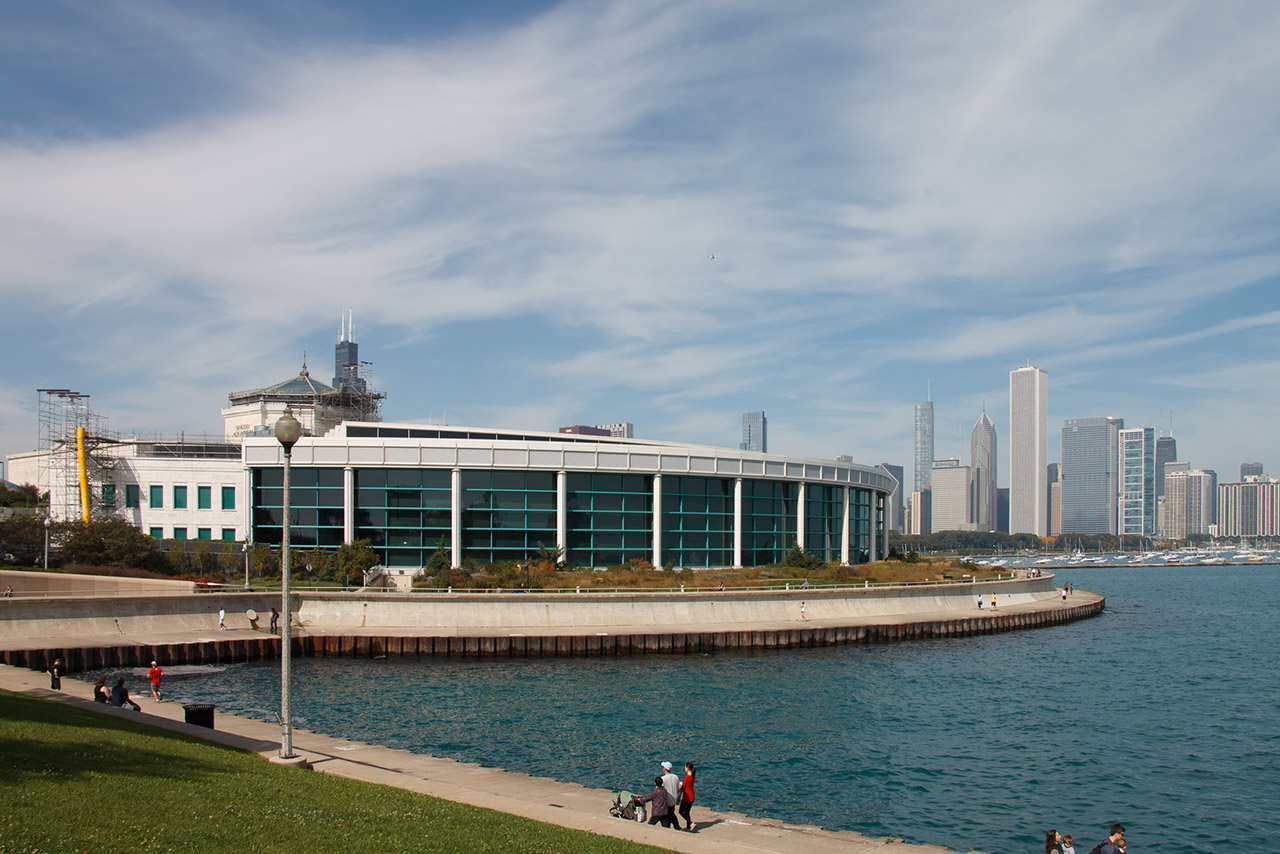
Shedd Aquarium, Lake Michigan, Chicago, IL, USA stock photo

Welcome to summer! This month, Chicago’s iconic museums are hosting Free Days for Chicago and Illinois residents. We at Dean’s Team Chicago have compiled a list of some of the most iconic here:

The Adler Planetarium, 1300 S. DuSable Lake Shore Drive, Illinois residents can enjoy free admission (with proof of residency) on the following days:

  • Wednesday, June 10 
  • Wednesday, June 17
  • Wednesday, June 24

NOTE: Admission is always free for Illinois teachers.  Make sure to book online and in advance by clicking here.  

In Chicago’s Loop is the American Writers Museum, 180 N. Michigan Avenue, 2nd Floor, where you and your family can enjoy free admission on the third Sunday of each month. On these days, the museum is open from 10am to 5pm. You can see and interact with exhibits like American Prophets: Writers, Religion, and Culture, which explores the profound ways writing reflects and influences our understanding of religion. From the poet Phyllis Wheatley to the comedian Harold Ramis, writers are driven by their beliefs and the beliefs of those around them.

Access to all exhibits are included on free museum days. Prior registration is not required, but recommended. For more information, click here

In the Loop, The Art Institute of Chicago111 S. Michigan Avenue, sponsors Free Summer Thursdays starting Thursday, June 11 from 5pm to 8 pm. June dates include:

  • Thursday, June 18
  • Thursday, June 25

Additionally, they offer free admission every day for Chicago teens under age 18, all children under age 14, Link and WIC cardholders, active-duty military, and Illinois educators. To reserve tickets, click here.  

Washington Park’sDuSable Black History Museum and Education Center, 740 E. 56th Place,  there’s free admission for all every Wednesday.

Note: Admission is always free for military and first responders, University of Chicago students, Chicago Park District employees, Illinois public school students, and other groups. For tickets and information, click here. 

At the iconic Field Museum, 1400 S. DuSable Lake Shore Drive.  Every Wednesday throughout 2026 is free. 

Free tickets are available for advance reservation online and on site. The free tickets include all general admission exhibitions. Just present a current Illinois driver’s license, State ID, or Chicago CityKey card at the ticket desk to establish proof of residency. For tickets and information, click here.

Note: Illinois teachers and active military personnel receive free general admission year-round.

In Hyde Park, the Griffin Museum of Science and Industry, 5700 S. DuSable Lake Shore Drive, has a couple of days in June set aside:

  • Thursday, June 4 (hurry!)
  • Friday, June 19

The museum is always free for United States military active-duty personnel and veterans, Illinois POWs, Chicago firefighters & Chicago police officers, Illinois teachers (Pre-K through 12th grade), United States military active-duty personnel and veterans also receive $4 off U-505 On-Board Tour tickets for themselves. Forinformationand reservations, click here

Streeterville’s Museum of Contemporary Art220 E. Chicago Avenue, reserves every Tuesday from 5pm – 9pm for Illinois residents to receive free admission.

Note: The museum is always free for visitors under age 18, visitors with disabilities and their caregivers, active members of the military, police, and fire departments, veterans and their families, and Illinois elementary and high school teachers. 

And …If it’s not Tuesday evening, MCA has a pay-what-you-can policy — no one will be turned away.

InLincolnPark, Peggy Notebaert Nature Museum 2430 N. Cannon Drive, offers Free Days throughout the year during  Illinois Resident Days.

In June, their free days are:

  • Monday, June 22 
  • Tuesday, June 23
  • Wednesday, June 24

Illinois residents can reserve their free tickets online or in person. 

Please note: This free basic admission does not include the Judy Istock Butterfly Haven exhibit, but access can be purchased as an add-on ticket for $5 per person.

Another Museum Campus favorite is the venerable Shedd Aquarium, 1200 S. DuSable Lake Shore Drive.  Illinois residents receive free access to all permanent exhibits on select dates throughout the year. 

In June, they’re offering Free Museum Nights for Illinois residents. The museum will be open 5pm– 9pm on the following dates: 

  • Tuesday, June 9
  • Tuesday, June 16
  • Tuesday, June 23 
  • Tuesday, June 30

And…Admission is always free for Chicago police officers and firefighters, active-duty U.S. military personnel, and educators from Illinois, Indiana, Michigan, and Wisconsin.

NOTE: There is a $5 convenience fee per order for Free Hours reservations made online. 

HOWEVER, you can reserve tickets by phone with no convenience fee by calling 312-939-2438. 

Andersonville’s Swedish American Museum, 5211 N. Clark Street, has free admission every second Tuesday of the month throughout the year, and children aged 1 year or younger are admitted free every day they are open. Their current exhibit, We Are America, explores Swedish immigration to Chicago. There are environmental displays such as the deck of a steamship, a 19th century Swedish stuga (cottage), an early 20th century Swedish-American woodshop, and a mid-century Swedish-American kitchen. 

If you plan on visiting with a group of 10 or more, it is highly recommended that you contact the museum so that they can accommodate you for a guided or self-guided tour.  For more information, click here

There are many more museums with free admission every day. For a complete list, click here

Alison Moran-Powers and Dean’s Team Chicago

Restaurant Review: Uptown’s Tweet and Big Chicks has us chirping through Pride Month

Pride flag and business open sign stock photo

Restaurants with dual personalities fascinate me. By day, Uptown’s LGBTQ-friendly Tweet Let’s Eat is a brunch and lunch spot. During the evening and night, companion restaurant/bar Big Chicks is a dinner restaurant/dance bar open til 2am. 

“It doesn’t matter how old you are, what sex you are. Everybody’s always welcome,” David Joseph told WTTW in 2025. He bartended at Big Chicks for some 25 years and still returns to help on the busiest nights.

Starting life as an ‘old man’ bar  when owner Michelle Fire bought it in 1986, per Bon Appètit Magazine, Tweet, Let’s Eat is the family-friendly brunch/lunch spot that offers an organic menu focusing on comfort food. Big Chicks is the art-filled (think Diane Arbus, Lee Friedlander, Dawoud Bey) colorful dinner spot that transforms into a bar/dance floor for all til 2am. Menu items are often named for the artists whose works grace the walls. 

Please note: Both are cash-only. There’s an ATM on-site. Consider yourself forewarned.

Brunch/Lunch Options at Tweet 

Comfort food is tops here. Try one of their breakfast burritos, such as Burrito Numero Cuatro (#4) is a flour tortilla stuffed with organic beans, organic eggs, avocado, choice of cheddar or chihuahua cheese.

Burrito Numero Seis (#6)is made with grilled skirt steak, organic eggs, onions, potatoes stuffed into a flour tortilla, covered with chihuahua cheese and cilantro, served with vegan chipotle mayo. All burritos  are served with crème fraîche, pico de gallo, red salsa, and a choice of fruit cup or compote.

Their Beautiful Benedicts include an Eggs Florentine, made with organic eggs, spinach, and hollandaise on an English muffin. Portobello Benedict has two seasoned and grilled mushroom caps topped with spinach and two organic poached eggs, and hollandaise. 

For a hearty start to your day, try Oatmeal ala Jim Faulkner,  a sumptuous bowl of organic oatmeal with dried fruit…yum! Served with half and half, heavy cream or crème fraîche, brown sugar, and butter, and your choice of milk options.

They pay tribute to a late, great Chicago artist with Tony Fitzpatrick’s Skirt Steak and 2 Eggs, a six-ounce skirt steak marinated with seasonings and grilled to your liking, served with two organic eggs your way with toast or tomato; hash browns or organic green salad and fruit cup. 

Other great brunch items include a Portland Omelette withorganic eggs, chopped bacon, cream cheese, tomato and green onions, served with your choice of hash browns or salad; sliced tomatoes or toast; and a fruit cup. I can’t resist a Heavenly Havarti Omelette with freshly sautéed Granny Smith apple slices and Danish Havarti cheese, served with hash browns or salad, sliced tomato or toast, and a fruit cup. 

 You don’t have to wait for autumn to enjoy Pumpkin Pancakes… they’re here year-round and topped with whipped cream and cinnamon sugar! 

Big Chicks: Dinner and Beyond 

For dinner, lighter entrees include their Mediterranean Salad with tossed greens, goat or feta cheese, black olives, cucumbers, tomato, red onion, and mixed pepper. Walter Salad is a mix of chopped green leaf lettuce tossed with grilled chicken breast, avocado, tomato, cucumber, cilantro, onions, olive oil, and fresh lime juice.  Another is their Southwestern Cobb, combining tossed greens with spicy chicken, bacon, roasted corn, black beans, avocado, red onions, and shredded cheddar in cilantro lime dressing. 

Burgers are big here, so bring an appetite! Their “Big Chick” Burger is a half-pound beef burger, with cheddar, bacon, avocado, while The Joey Burger mirrors the half-pound beef burger, and adds corned beef, sauerkraut, swiss cheese, slaw, and 1000 Island dressing. 

The Bison Burger provides a leaner half-pound of bison, with your choice of fixings (or none!) 

Vegetarian offerings are plentiful, and include their Hummus Platter (great for 2 to share!) and includes hummus, fresh vegetables, olives, and pita. Their Vegan BLT is a classic BLT but with faux bacon. And their Veggie Reuben is grilled peppers, veggie sausage patties, cheese, and sauerkraut on rye bread. 

All sandwiches and burgers include your choice of salad or choice of fries, sweet potato fries, tater tots, chippers, or potato chips.

Tweet, Let’s Eat and Big Chicks  are located at 5020-5024 N. Sheridan Road. Tweet is open Monday-Sunday, 9am to 3pm (last table seating at 2:30pm) Big Chicks is open Monday – Friday from 4pm to 2am (kitchen open 4pm to 10:30pm), and Saturday- Sunday 9am to 2am (kitchen open 4pm to 10:30pm). Their outdoor patio will be open, weather permitting. For more information, click here

Alison Moran-Powers and Dean’s Team Chicago
Chicago Home and Lifestyles – 6 fruits and vegetables you can grow on your balcony

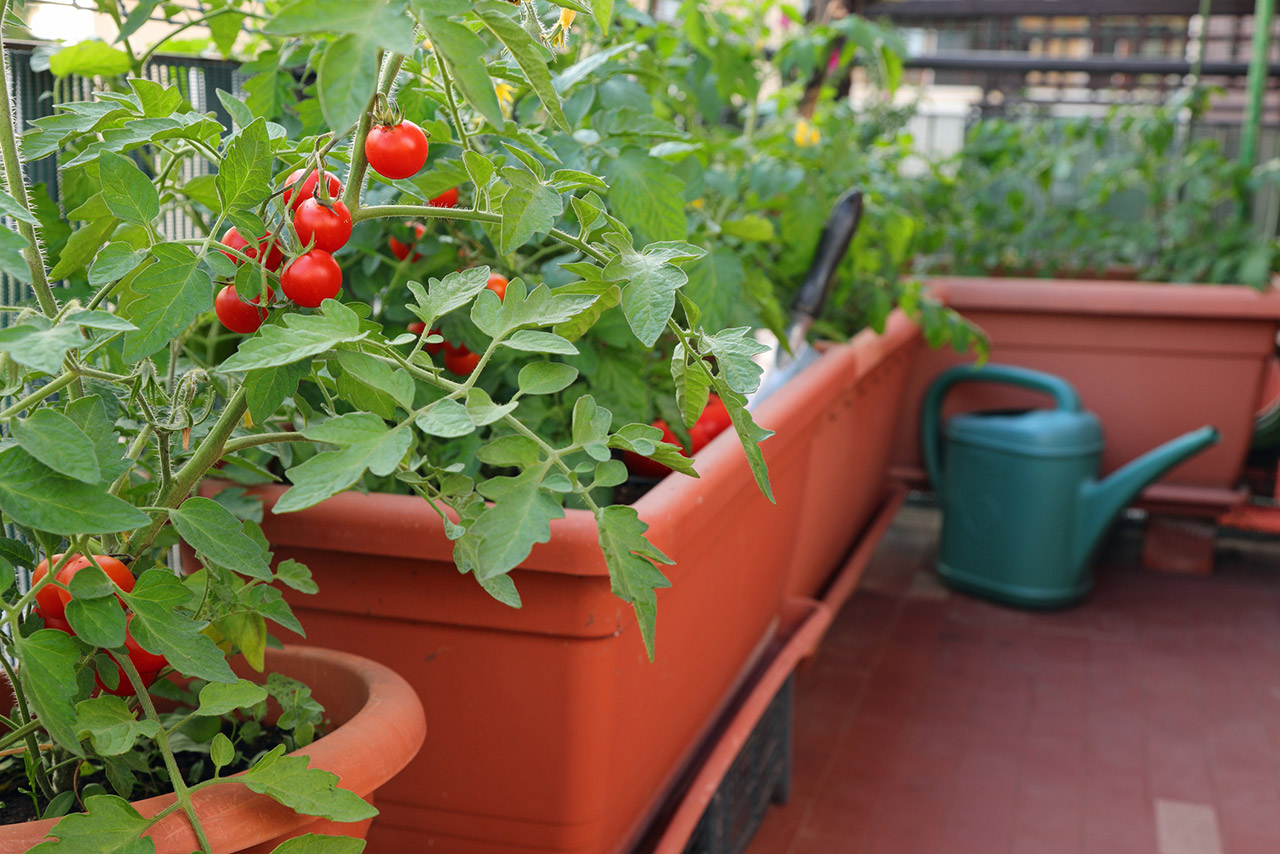
Red tomatoes in flower pots on a terrace of an apartment in the stock photo

So, you don’t have garden space. Maybe you’re in a condo and have a balcony or just a really small yard with a deck. I’ve got great news: you can still have fresh fruit and vegetables! Here are some container friendly fruits and vegetables that will thrive in a small space:

Certain red berries. Strawberries will yield fruit for years and reproduce and fill a container. Look for everbearing varieties that will produce all season long. Raspberries can do well too, if they are staked and pruned well. 

Tomatoes. You don’t need a big garden to grow tomatoes. Choose a container specific variety that has a bushier growing habit that’s suited to a container. Prune them judiciously and use stakes to keep them in check. Smaller varieties work well too like cherry or grape tomatoes. 

Peppers. These are an easy to grow container plant that will provide vegetables all season long. Any variety will work from sweet bells to the spiciest chilis. Give them a sunny spot and let them go!

Sugarsnap peas. Purchase a bush variety and keep harvesting to promote more peas. 

Cucumbers. Use a small trellis and look for small, bush-style varieties that are geared towards containers. 

Leafy greens. Veggies like spinach, kale, chard and collard greens are great for container growing. Sow new seeds every few weeks to keep the yield going. More fragile greens like lettuce can be grown the same way. Just be careful to give them some shade in the hotter months. If you need to, use a shade cloth.

Most of these plants are sun loving so pay attention to how the sun moves across your growing area. Place containers accordingly so taller plants don’t overshadow shorter ones. If you can, put your larger containers on caster wheels so you can move them around to get maximum light (or shade) as the sun changes over the season. 

Kathleen Weaver-Zech and Dean’s Team Chicago

The Real Estate Investment Tug-of-War: Cash Flow vs. Appreciation

Team of coworker pulling rope together stock photo

When people talk about real estate investing, two terms come up again and again: cash flow and appreciation. Both can help build wealth, but they do it in very different ways. For investors, deciding which strategy to prioritize can feel like a tug-of-war—especially when markets, goals, and timelines vary so much from one person to the next.

So, which is better? The answer depends on what you’re trying to achieve.

What Is Cash Flow?

Cash flow is the money left over after all expenses are paid. In a rental property, this means collecting rent and subtracting costs such as:

  • Mortgage payments
  • Property taxes
  • Insurance
  • Maintenance and repairs
  • Property management fees
  • Vacancy costs

If your rental brings in $3,000 per month and your total expenses are $2,400, your monthly cash flow is $600.

For many investors, positive cash flow is the ultimate goal because it creates immediate income. It can help cover living expenses, supplement retirement income, or provide financial flexibility without needing to sell the property.

The Advantages of Cash Flow

Cash-flow-focused investors enjoy several benefits:

  • Monthly income that can be reinvested or spent
  • Reduced reliance on market appreciation
  • Greater financial stability during market fluctuations
  • Easier portfolio growth through reinvesting profits

This strategy is often popular among investors seeking financial independence or those looking for predictable returns.

What Is Appreciation?

Appreciation refers to an increase in a property’s value over time.

For example, if you purchase a home for $500,000 and it’s worth $650,000 five years later, you’ve gained $150,000 in appreciation.

Unlike cash flow, appreciation typically doesn’t put money in your pocket right away. The gain is realized when you sell, refinance, or borrow against the property’s increased value.

The Advantages of Appreciation

Investors who prioritize appreciation are often focused on long-term wealth creation.

Benefits include:

  • Potential for significant equity growth
  • Increased borrowing power through refinancing
  • Larger profits when selling
  • Opportunity to benefit from strong market growth

Many appreciation-focused investors target growing neighborhoods, urban centers, or areas undergoing major development because future demand can drive property values higher.

Why Investors Often Have to Choose

Here’s where the tug-of-war begins.

Properties with strong cash flow aren’t always located in markets with the highest appreciation potential. Likewise, properties in highly desirable growth markets may produce little or no monthly cash flow.

Consider two examples:

Investor A: Cash Flow Focused

Purchases a rental property in an affordable market that generates strong monthly income from day one.

Benefits:

  • Consistent monthly returns
  • Lower risk of negative cash flow
  • Immediate income generation

Trade-off:

  • Property values may grow more slowly.

Investor B: Appreciation Focused

Purchases a property in a rapidly growing market where rents barely cover expenses.

Benefits:

  • Strong potential for long-term equity gains
  • Opportunity for significant appreciation

Trade-off:

  • Little or no monthly income initially.

Neither investor is necessarily wrong—they simply have different goals.

Which Strategy Is Better?

The right answer depends on your situation.

Cash Flow May Be Best If You:

  • Want supplemental income
  • Are nearing retirement
  • Prefer predictable returns
  • Value financial stability
  • Plan to hold properties long-term

Appreciation May Be Best If You:

  • Have a longer investment horizon
  • Can comfortably cover short-term costs
  • Want to maximize long-term wealth
  • Are investing in high-growth markets
  • Focus on building equity over income

The Sweet Spot: Both

Many experienced investors eventually seek a balance between cash flow and appreciation.

The ideal investment often offers:

  • Positive monthly cash flow
  • Strong neighborhood fundamentals
  • Job growth and population growth
  • Limited housing supply
  • Future appreciation potential

While these opportunities can be harder to find, they can provide both immediate income and long-term wealth creation.

Final Thoughts

Real estate investing isn’t always about choosing one side in the cash flow versus appreciation debate. Instead, it’s about understanding your goals and selecting investments that align with them.

Some investors prioritize monthly income. Others focus on long-term equity growth. The most successful investors often learn how to leverage both strategies over time.

Whether you’re looking for reliable income today or substantial gains tomorrow, understanding the difference between cash flow and appreciation is one of the most important steps toward building a successful real estate portfolio.

THIS WEEKEND IN CHICAGO – Hot Dog – We’re Turning Up the Heat!

Trendy poster with groovy hippie hot dog. stock illustration

It’s time to turn up the heat as we bid farewell to May with a host of outdoor events sure to please everyone this weekend!

Are you ready for the 5th annual Windy City Hot Dog Fest?  I hope so because this Saturday and Sunday (12 p.m.-10 p.m.) at 4000 North Milwaukee Avenue in the Portage Park neighborhood, some of Chicago’s most iconic hot dog stands will compete for the illustrious title of Best Frankfurter, better known as the “Top Dog” Award, and judged by you!  But it’s not all hot dogs, there’s more.  Enjoy live music from amazing local and regional acts on the main stage as well as a community stage where local talent takes the spotlight; browse a diverse selection of arts and crafts vendors; and let the kids enjoy the family-friendly activity zone.  In addition, there’s a Hot Dog Eating Contest on Saturday at 3:00 p.m.  Will you be the lucky one to wolf down enough hot dogs as you can in 5 minutes to walk away with the trophy and bragging rights?  Plus, Sunday’s feature is the Top Dog Parade where your fur-baby can strut their stuff.  Just register now, then head over to the main stage at 11:45 a.m. with your registered fur-baby for some pup parade fun.  It’s sure to be a Hot Dog of a weekend!

Come discover Chicago’s artistic heartbeat at The Magnificent Mile™ Spring Art Fest this Saturday and Sunday (10 a.m.-5 p.m.) at 875 North Michigan Avenue in the Streeterville neighborhood.  Featuring over 60 juried artists from across the country, this open-air art festival features a variety of mediums which include original works in painting, photography, glass and functional art, fashion, jewelry, and more.  In addition, it’s a free festival open to the public and is ADA accessible!

Enjoy a Saturday evening at the Night Nation Run held at Soldier Field (1410 S. Special Olympics Dr.) in the South Loop.  This event is the world’s first Running Music Festival with the ultimate blend of a Fun Run and a Music Festival.  The racecourse offers multiple party zones with live DJs, dancers, light shows, selfie-stations, and glow gear giveaways with the race starting at 8:30 p.m.  Your registration includes a Night Nation T-shirt; a Race Bib; a Glow Necklace; Free Giveaways; and Pre (6:30 p.m.) and Post Race Concerts.  In addition, this Run also supports Stand Up To Cancer (SU2C), their official charity.  This just might be the best night of your life!

Treat yourself to some spectacular fireworks from the best seat in town at FIREWORKS! – Aboard the Tall Ship Windy, recurring weekly on Wednesdays and Saturdays (8:45 p.m.-11 p.m.) through September 5th and departing from Navy Pier’s South Dock (600 E. Grand Ave.) in the Streeterville neighborhood.  Enjoy a 90-minute leisurely evening sailing on Lake Michigan as you grab a drink from the fully stocked bar, take in epic views of the glittering city skyline, and enjoy the accompanying synchronized soundtrack over the ship’s sound system during the fireworks display!

Breaking News – Dinosaurs have taken over Brookfield Zoo!  See for yourself, now through October 25th, at Dinos! located at 8400 31st Street (North Gate) or 3300 Golf Road (South Gate) in Brookfield.  Journey through a massive rib-cage tunnel, climb on a giant fossil, dig for ancient discoveries, and come face-to-face with life-size dinosaurs throughout the Zoo.  In addition, a Dino Dash takes place this Saturday (8 a.m.-9:30 a.m.) where participants who cross the finish line receive a commemorative Dino Dash medal as well as free admission to the Zoo on race day along with the Ferris wheel and carousel included in your Dino Dash registration!

Sue Moss and Dean’s Team Chicago

Neighborhood News: Views from the Top at McCormick Bridgehouse & Chicago River Museum

Michigan Avenue Bridge and Chicago's Magnificent Mile stock photo

At Chicago’s only vertical museum, imagine being surrounded by 360-degree views of the great Chicago River and Lake Michigan from the top of an historic Bridgehouse! The vista would be amazing, and the kids would be dazzled! 

Operated by the Friends of the Chicago River, McCormick Bridgehouse & Chicago River Museum, 99 Chicago Riverwalk, provides a one-of-a-kind opportunity to explore a historic landmark bridgehouse. Beginning at river level and spiraling five stories up,  visitors can view the massive gears of Chicago’s most famous movable bridge and journey through time as they experience the story of the Chicago River. 

The Bridgehouse Museum is the cultural anchor of the Chicago Riverwalk, a linear park along the south bank of the Chicago River’s Main Stem.

As their website notes, the five-story museum takes visitors on a bottom-up journey through Chicago’s history. The landmark bridgehouse is alive with stories of the past, details of the bridge and vivid stories about the many people inspired by the potential of the Chicago River, and is divided into these primary exhibit areas:

Level 1 (Gear Room): Provides a behind-the-scenes look at the massive 1920s mechanical gears that operate the bascule bridge.

Levels 2 to 5: Focuses on the history, pollution, and recent ecological renaissance of the Chicago River, as well as pre-European settlements.

History of Chicago’s Bridges: Learn about bridge design and engineering—including the famous “Chicago-type” trunnion bascule bridge—and view historic artifacts documenting how the city’s river crossings evolved.

The River’s Renaissance: Discover the history of the river, from its pollution and the reversal of its flow to protect drinking water, to modern conservation and wildlife recovery efforts.

City of Bridges: Explore the history of the Michigan Avenue Bridge itself and view the ornamental Beaux-Arts bas-relief sculptures on the bridgehouse exteriors.

At the top of the Bridgehouse, visitors are treated to magnificent 360 degree views of the city and river, and will gain a whole new perspective on the beauty and complexity that is Chicago.

History 

Once a meandering prairie stream, the Chicago River was straightened, dredged, channelized and re-engineered to meet the needs of the growing metropolitan region. The Main Stem was deepened to support a robust shipping industry and bridges were built to accommodate the bustling city.

Designed as a gateway between Chicago’s North Side and South Side, the Michigan Avenue Bridge, at the corner of Michigan and Wacker, was the first double-deck, double-leaf, fixed trunnion bascule bridge ever built. The bridge was first conceived by architect Daniel Burnham in his 1909 “Plan of Chicago.” 

Edward Bennett designed the bridge and its four bridgehouses following the Beaux-Arts style and in keeping with Burnham’s concept. Engineers Hugh E. Young, Thomas Pihlfeldt and William A.  Mulcahy were instrumental in its construction, which began in 1918.

As their website says, in the 1920s, the Michigan Avenue Bridge would lift more than 3,000 times a year. Today, it lifts approximately 40 times a year. 

The bridge was opened for traffic in 1920, and the final ornamental touch was added in 1928, when bas-relief sculptures depicting scenes from Chicago history were installed. The Bridgehouse Museum is adorned by the sculpture titled ‘Defense’ by Henry Hering, depicting a scene from the 1812 Battle of Fort Dearborn. The southern end of the bridge neighbors the original Fort Dearborn site.  

The Michigan Avenue Bridge became a much-used connection between Chicago’s north and south, just like Burnham had envisioned. Today, thousands of people traverse the bridge daily. The bridge, along with its bridgehouses, was designated a Chicago Landmark in 1991 by the City of Chicago and the State of Illinois. In 2010, the bridge was officially renamed DuSable Bridge in honor of Chicago’s first permanent resident, Jean Baptiste Point DuSable, whose homesite abuts the northern end of the bridge.

Today: Bridge-ing the past and future 

Operated by the Friends of the Chicago River, the Bridgehouse Museum stands as the cultural anchor of the Chicago Riverwalk and welcomes tens of thousands of visitors every summer.

Opened in 2006 to provide new access and understanding of the dynamic relationship between Chicago and its river, the museum is now open for their 20th season. Hours of operation are Wednesday through Sunday, 10am – 5pm.  Guided Tours are now booking for June through October.  On select bridge lift dates, in the fall of 2026, visitors can view the bridgeworks in motion at the Bridgehouse Museum.

Suggested donations are $8 per person. If you would like to schedule a group visit/field trip, inquire about a rental, or have any other questions please contact Josh Coles, Museum Director, at jcoles@chicagoriver.org or 312-939-0490 ext. 28. For more information, click here. 

Alison Moran-Powers and Dean’s Team Chicago

Restaurant Review: Dinner With A View-Dining on the Chicago River and Lake Michigan

People walking along The Cove, a part of the Riverwalk public space on the Chicago River

With warmer temperatures in the air and an exciting Chicago summer coming up, it’s time to savor Chicago’s greatest asset-riverfront dining! 

Along Chicago’s famed Riverwalk, there’s multiple options to savor a delicious meal while watching the sun dancing atop the Chicago River…maybe even waving to passengers on the boats sailing by!

One eclectic option is Beatnik on the River, 180 N. Upper Wacker Drive. Described as design-through-storytelling whimsy, as they say on their website, Beatnik’s culinary team “takes guests on a globetrotting journey that starts in the Eastern Mediterranean, moves westward across Northern Africa and finishes across the Atlantic with the flavors of Mexico.” And indoors or outdoors, their brightly colored décor provides spectacular views of the Chicago River.

Start in the Mediterranean with shareables like Baba Ganoush, made with smoked eggplant, tahini labneh, and pomegranate seeds, served with pita bread. Or, Beet Mutabbal is made with roasted beets, whipped tahini, goat cheese, and basil oil. Hummus & Octopus never tasted better with radouvan curry, green beans, sesame za’atar, and pita. Follow that with a Beatnik Caesar Salad, with creamy tahini and preserved lemon dressing, parmesan cheese, and harissa crispy garbanzos. Kale Fattoush Salad is made with dill vinaigrette, Persian cucumbers, kalamata olives, tomatoes, and served with crispy naan. 

Move on to entrees like Short Rib Tagine which pairs an Angus beef rib with apricot and chickpea stew, sesame and fresh herbs. Chicken Musakhan, a roasted half semi-boneless chicken, cous cous with golden raisins, sumac onions, and lemon. For reservations and more information, click here

At nearby River Roast, 315 N. LaSalle Street, from breakfast through dinner, their lively social house and gathering place offers a new riverside coffee bar (River Roast Corner Roast Coffee & Bar) this summer, inspired by the LaSalle bridge houses it overlooks. They’re offering made-to-order roasted coffee, savory breakfast pastries, baked in-house daily, seasonal salads and signature roasted sandwiches. For leisurely lunches and dinners, try their Charcuterie & Cheese, with a Chef’s Selection of cured meats & cheeses, seasonal accompaniments, and grilled sourdough. Or, RR Pull Apart Rolls with truffle, chives, and grana padano.  

Move on to their River Roast Burger with double patties, American cheese, caramelized onions, lettuce, tomato, pickle, and garlic aioli on pretzel bun. Steamed Bar Harbor Mussels are made with green garlic butter, white wine, lemon, and herbs, served with grilled sourdough bread. For a touch of elegance, try their hickory-smoked Roast Chicken, hand-carved tablesid, with their RR potatoes, red wine vinegar and rosemary. Or, their Branzino, Mediterranean sea bass with chimichurri and grilled lemon. For reservations and more, click here. 

In Lincoln Park, Shore Club Chicago, 1603 N. DuSable Lakeshore Drive, describes itself as “The ultimate beachfront restaurant experience in Chicago.” Located directly on the sands of North Avenue Beach, they were inspired by world-class coastal retreats, serving fresh, Mediterranean-inspired cuisine. 

Start with an appetizer like Spicy Tuna Crispy Rice, with roe, jalapeño, avocado crema, and spicy mayo. Or, a Local Cheese Board with a spread of cheese, salted spanish almonds, honeycomb, summer berry gastrique, fresh fruit and crackers. Tuna Poké is a blend of tuna, mango, edamame and ponzu sauce served with cucumber and wonton planks. Mezze Platter hasa shareable spread of hummus, tzatziki, whipped feta, cucumber, carrot, tomato, sweet pepper, jícama, roasted mushroom, marinated olive, pita chips and naan.

Unique, fresh salads include an Elote Cobb, combining romaine lettuce topped with crispy chicken, cotija cheese, grilled corn, pickled onion, cherry tomatoes, and cilantro in a spicy chili lime dressing.  Mojito Watermelon Salad combines mixed greens topped with feta, watermelon, red onion, candied pecan, mint, cucumber, tajíned jícama in a balsamic vinaigrette.

Main courses include three Crispy Lobster Tacos, topped with tropical slaw and cilantro in crispy corn tortillas.  A Mykonos Board has a spread of matoyianni street style chicken, flambéed halloumi, tzatziki and naan. Vegetarian Souvlaki Gyro arevegan chickpea and wheat skewers served with naan, roasted peppers and onions, and tzatziki. Lobster Fettuccine also has shrimp, cherry tomato, asparagus, parmesan, and creamy white wine sauce. For reservations, click here. 

Enjoy summer in a whole new way…at one with our picturesque lakefront!

Alison Moran-Powers and Dean’s Team Chicago

Chicago Home and Lifestyles – 8 vegetables you can plant in the shade

The green peas in the vegetable garden stock photo

Think your outside space is too shady to grow vegetables? Maybe for tomatoes that need 6-8 hours of direct sunlight a day, that’s true! Lucky for us there are vegetables that not only prefer shady areas but actually do better without so much sunlight. Here are my favorites:

Peas are a great cool season crop that will thrive even without direct sunlight. They grow well in zones 2-11 and you can grow them on the north side of the house. Just use good moisture retaining soil and water regularly!

Carrots will also thrive in most shady spots with some light. Germination may take a bit longer and the plants will not be so compact, but they will still be tasty. As with peas, plant in well drained fertile soil and water regularly. 

Garlic has fragrant leaves and, depending on the variety, may have large pink and white flowers. They do well also on a north facing bed. They only need a couple hours of full sun and will thrive in the shade for the majority of the day. In zones 2-11, they grow up to 16 inches tall in well drained fertile soil. 

Dwarf peppers do great in light shade and are wonderful if you have limited space. They can thrive in a large container on your deck or under taller tomato plants. They grow up to 2 feet tall, and the peppers are great in salad or stuffed and grilled. 

Spinach is perfect for a small garden that may be north facing as it stays compact and thrives in partial shade. Harvesting the baby leaves keeps the plant even smaller. It grows in almost all zones. 

Cilantro, so popular today in many Latin dishes, grows well in light shade. You can let the plant go to seed and have a large supply ready for winter. It grows in zones 2-11 and is compact, growing only 2 feet tall. Parsley also grows in partial shade, but make sure to give each plant a little more space than usual to avoid it getting too stringy. 

Baby Bok Choy is so delicious in stir fry! You harvest the leaves when they’re only 3 or so inches tall so you don’t have problems with insufficient light. Water them regularly and frequently harvest the leaves. 

Ginger thrives in shaded areas and is another good choice for small gardens. The roots make a wonderful healthy tea and are used widely in many Asian recipes. You can even grow it in containers. Always use well drained fertile soil and water heavily.  

Kathleen Weaver-Zech and Dean’s Team Chicago

A Week in the Life of Escrow Explained Simply

Happy couple having consultations with real estate agent in the office

Buying or selling a home can feel like stepping into a world filled with unfamiliar terms, paperwork, and deadlines. One of the most confusing parts for many people is escrow. The word itself sounds technical, but the process is actually much simpler than it seems.

Think of escrow as the “middle ground” between buyer and seller—a secure process that helps make sure everyone does what they agreed to before the home officially changes hands.

To make it easier to understand, here’s a simple breakdown of what a typical week in escrow might look like.

Day 1: The Offer Is Accepted

This is the exciting moment. The buyer and seller agree on the terms of the sale, sign the contract, and officially open escrow.

At this point, a neutral third party—called the escrow company—steps in to manage the transaction. Their job is to safely hold important documents and funds while making sure all steps are completed correctly.

The buyer usually submits an earnest money deposit, which shows they’re serious about purchasing the home.

From here, the countdown begins.

Day 2: Paperwork Starts Rolling In

Once escrow opens, there’s a lot happening behind the scenes.

The escrow officer begins collecting:

  • The purchase agreement
  • Title information
  • Loan documents
  • Seller disclosures
  • Tax and HOA information (if applicable)

This is also when the buyer’s lender starts finalizing the mortgage process. Even if the buyer is already pre-approved, the lender still needs to verify income, assets, and property details before giving the final green light.

It may seem quiet from the outside, but this stage is busy.

Day 3: The Home Inspection

This is one of the biggest milestones during escrow.

The buyer hires a home inspector to evaluate the property’s condition. They check everything from the roof and plumbing to electrical systems and appliances.

Sometimes the inspection goes smoothly. Other times, it uncovers repairs or maintenance issues the buyer wants addressed before closing.

This can lead to negotiations:

  • The seller may agree to repairs
  • The seller may offer credits
  • Or both parties may simply move forward as-is

This part of escrow is less about perfection and more about clarity.

Day 4: The Appraisal Happens

If the buyer is financing the home, the lender orders an appraisal.

An appraiser determines whether the property is worth the agreed purchase price. The lender wants to make sure the home supports the value of the loan.

If the appraisal matches or exceeds the contract price, great.

If it comes in low, the buyer and seller may need to renegotiate terms or adjust financing.

This is one reason escrow exists—to give everyone time to work through issues before the sale becomes final.

Day 5: Loan Approval and Final Details

By this point, many of the major pieces are coming together.

The lender reviews all documents and ideally issues final loan approval. Meanwhile, escrow continues coordinating:

  • Title clearance
  • Insurance verification
  • Final payoff information
  • Closing figures and settlement statements

The buyer also receives final disclosures showing estimated monthly payments, interest rates, and total closing costs.

This is when things start to feel real.

Day 6: The Final Walk-Through

Shortly before closing, the buyer does a final walk-through of the property.

This isn’t another inspection. It’s simply a chance to confirm:

  • The home is in the agreed condition
  • Repairs were completed if promised
  • Nothing unexpected has changed

At the same time, buyers usually arrange to wire their down payment and closing funds to escrow.

Everyone is preparing for the finish line.

Day 7: Closing Day

This is the big moment.

The buyer signs loan documents. The lender sends funds. Escrow confirms everything has been completed, and the county records the sale officially transferring ownership.

Once recording happens, the buyer gets the keys.

The seller receives proceeds from the sale.

And escrow closes the transaction.

Why Escrow Matters

Without escrow, buying a home would feel much riskier for both parties.

Escrow helps protect everyone involved by making sure:

  • Funds are handled securely
  • Contracts are followed
  • Deadlines are tracked
  • Ownership transfers properly

It acts like a checkpoint system that keeps the transaction organized and fair from start to finish.

The Bottom Line

Escrow can sound intimidating, but at its core, it’s simply a structured process that guides a home sale safely from accepted offer to closing day.

For buyers, it’s the period where due diligence happens.
For sellers, it’s the final stretch before handing over the keys.
For everyone involved, it’s the bridge between “under contract” and “sold.”

And while every transaction is a little different, understanding the basic flow of escrow makes the entire experience feel far less overwhelming.

THIS WEEKEND IN CHICAGO – Summer Starts Now!

Memorial Day Banner Vector illustration

Whether summer temps want to join us or not, it’s Memorial Day Weekend here in Chicago which means we will be marking the unofficial start of summer with commemorative ceremonies, street festivals, and other outdoor activities!  Summer starts now!!

Chicagoans will celebrate the strength and diversity of their community this Memorial Day Weekend with the Wreath Laying Ceremony & Parade on Saturday.  The wreath laying ceremony begins at 11:00 a.m. at the Daley Plaza (50 W. Washington St.) followed by our annual Memorial Day Parade at 12:00 p.m. proceeding along Dearborn Street from Lake to Van Buren Streets in the Loop.  Once again, the parade will honor all fallen service members by featuring veterans’ groups, active-duty service members, JROTC cadets, community organizations and marching bands.  Start your extended weekend here!

Close out your Saturday evening with Summer Fireworks at Navy Pier (600 E. Grand Ave.) in the Streeterville neighborhood.  In fact, enjoy free, award-winning fireworks with dazzling, spectacular displays over the lake and the city’s iconic skyline views every Saturday (10 p.m.) and Wednesday (9 p.m.) through September 5th!

Continue celebrating your extended Memorial Day Weekend at one or all of the following events!

The 41st annual Belmont-Sheffield Music Fest helps kick-off this holiday weekend on Saturday and Sunday (11 a.m.-10 p.m.) at 3200 North Sheffield Avenue in the Lakeview neighborhood.  Sing and dance along to Chicago’s favorite local tribute bands who will be rocking it out on the main stage.  Discover a true reflection of Lakeview’s creative talent at the Community Entertainment Stage near Belmont with a mix of DJs, neighborhood performers, and local talent.  Indulge in mouthwatering festival fare and refreshing libations of beer or wine.  And shop one-of-a-kind creations from local artists, makers, and small businesses!

Celebrating their 5th anniversary this Saturday and Sunday (11 a.m.-10 p.m.) is the Sueños Music Festival 2026 in Grant Park (337 E. Randolph St.) in the Loop.  This festival is strictly 18+ and features over 40 artist performances across three stages featuring a mix of reggaetón, música Mexicana, and Latin EDM; curated local food vendors; art installations; immersive brand activations; over a dozen bars; and more!

Kick off summer at the Randolph Street Market this Saturday and Sunday (10 a.m.-5 p.m.) at 1341 West Randolph Street in the West Loop neighborhood as they celebrate their 23rd annual Garden Party.  This street market offers a shopping extravaganza that has a festival feel to it complete with continuous live music; DJs; three bars with beer, wine, and spirits; local restaurant vendors; and thousands of top-quality goods presented by dealers from around the country which include art, antiques and vintage décor, fashion, jewelry, and much, much more.  It’s a true shopping destination and a high-profile flea market festival!

Another free and family-friendly celebration this Memorial Day Weekend is the Summer Kickoff at Lincoln Park Zoo located at 2400 North Cannon Drive in the Lincoln Park neighborhood.  Enjoy special rides and attractions including the Ferris Wheel, Fun Slide, the Lionel Train Adventure, the Gorilla Trek VR Experience, the Mini Disco Race Car Ride, and Kiddie Wheel along with free programming for guests of all ages.  Best of all, no advance ticket purchase is required; however, all rides require a ticket which can be purchased in advance!

Enjoy Your Memorial Day Weekend and Let’s Get Summer Started!

Sue Moss and Dean’s Team Chicago