No matter if our job involves sitting for hours at a computer or keeps us on our feet, we all need to pay more attention to our posture, especially as we age. Health problems, not just stiffness and pain, can result from poor posture. Here are a few ways to improve:
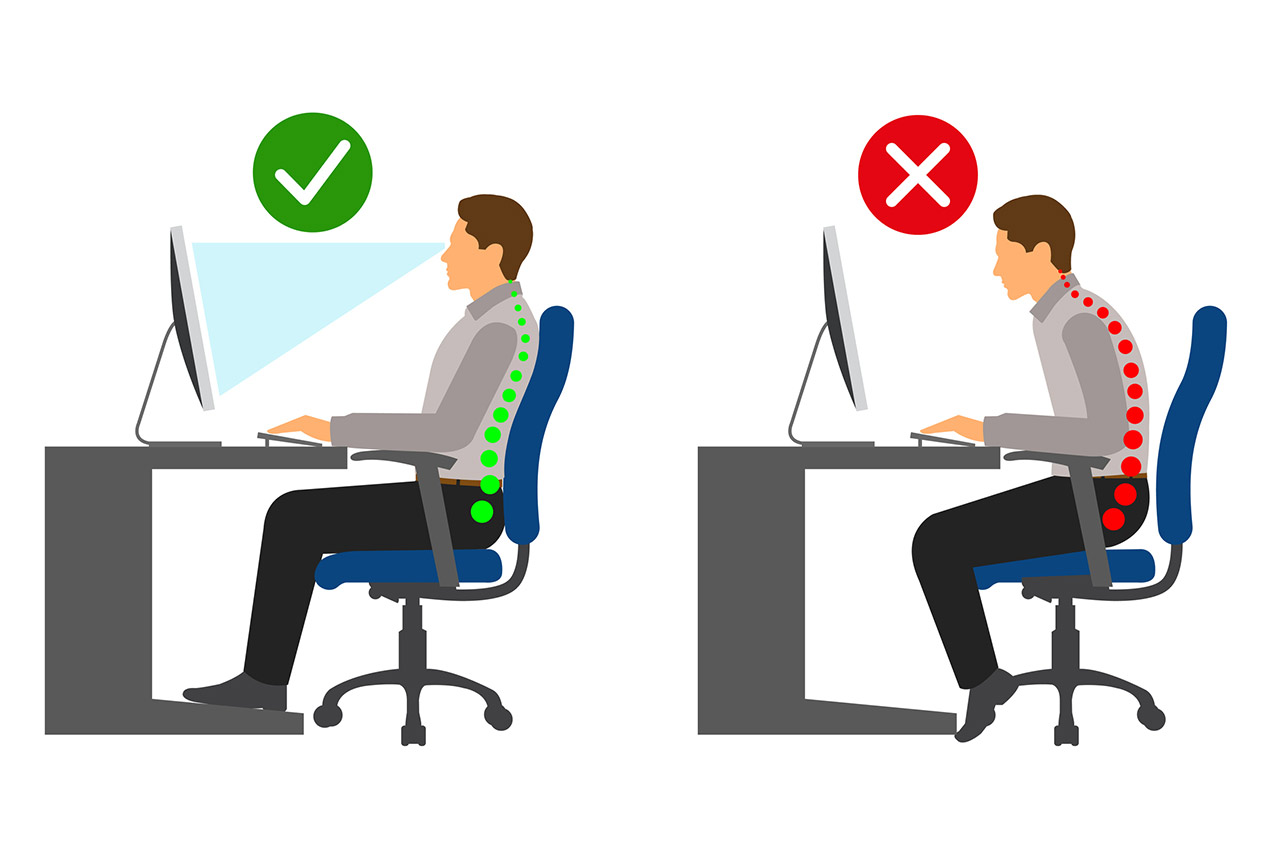
Stop slouching. Slouching adds stress to your spine and to the muscles and joints that hold your backbone in place. A constant slouch compresses your organs together making it hard for your intestines and your lungs to work. Eventually, it may be hard to get enough air to breathe or digest your food properly.
Start by standing tall. You’ll feel better and look better. Hold your head straight, your ears should be over the middle of your shoulders, not in front of them. Stand with your belly tucked in, knees straight and shoulders back. Tucking that belly in strengthens those muscles and that takes some strain off your back muscles. Try non-impact exercises like tai chi to boost those belly muscles!
Get a good chair. Being desk bound all day doesn’t mean slumping all day. Purchase a good quality ergonomic chair. Sit all the way back in the chair. Use a lumbar cushion if your chair is not equipped. Keep your knees bent at a right angle and your feet flat on the floor.
Get moving (even at work). We were never meant to sit for 5 to 6 hours at a time. Take 5–10-minute breaks at least every 2 hours. Walk around a bit and do some stretching.
Driving long distances can also cause pain and stiffness. Do the same as you would at your desk. Adjust your seat to sit more upright. Don’t lock your legs, bend your knees slightly. Many cars come equipped with lumbar support or use a lumbar pillow or rolled up towel to support that natural curve in your spine.
Change how you hold your phone. “Text neck” is a real thing. Tilting your head down constantly strains your neck and your spine and it can really add up a lot of pain. Stop frequently to stretch your neck, side to side and front to back. Use a phone stand to keep the phone up more at eye height.
Consider letting the heels go. High heels may be fashionable but are the worst for your spine and posture. They thrust your spine forward, which over-arches your back putting pressure on nerves that cause back pain. Keep these shoes for special occasions and choose low chunky heels for daily wear.
Choose a firm mattress. We spend 1/3 of our lives in bed. You need one that helps to hold your spine’s natural curve. If you are a side sleeper, bend your knees but don’t go to total fetal posture. Use a pillow that keeps your head level with your spine. If you are a back sleeper use a small pillow to keep your spine and head in line.
Kathleen Weaver-Zech and Dean’s Team Chicago
https://www.deanteamchicago.com/wp-content/uploads/sites/84/2026/05/article-home-and-lifestyle-051926.jpg8541280adminhttps://deanteamchicago.com/wp-content/uploads/sites/84/2015/09/dean-moss-logo.pngadmin2026-05-19 12:32:332026-05-19 12:32:33Chicago Home and Lifestyles – 7 tips to improve your posture
There was a time when a backyard was simply a patch of grass and maybe a grill sitting on a concrete slab. Not anymore.
Today’s homeowners see outdoor living as an extension of the home itself—a place to relax, entertain, work remotely, recharge, and spend more meaningful time with family and friends. In many cases, the backyard has become just as important as the kitchen or living room when people evaluate a home.
And while dream outdoor spaces can look different for everyone, a few standout features consistently top homeowners’ wish lists. From resort-style pools to cozy fire pit lounges, these are the backyard upgrades people want most right now.
1. Resort-Style Pools
It’s no surprise that pools continue to rank at the top of backyard dreams. But today’s pools are less about basic rectangles and more about creating an experience.
Homeowners are gravitating toward features like:
Baja shelves and tanning ledges
Integrated spas
Waterfalls and fountains
Dark plaster finishes
Resort-inspired lighting
Seamless indoor-outdoor design
Pools have evolved into statement pieces that turn an ordinary backyard into a private retreat. Even smaller plunge pools are growing in popularity for homeowners who want luxury without sacrificing yard space.
2. Outdoor Kitchens
Backyard entertaining has become more sophisticated, and outdoor kitchens are one of the biggest reasons why.
A simple grill setup no longer feels like enough for many homeowners. Full outdoor kitchens now often include:
Built-in grills
Pizza ovens
Refrigerators
Bar seating
Prep sinks
Smoker stations
The appeal is simple: people want to cook, socialize, and stay connected without constantly running back inside.
For families and frequent entertainers, outdoor kitchens create a natural gathering space that feels relaxed but elevated at the same time.
3. Covered Patios and Outdoor Living Rooms
One of the biggest backyard trends right now is comfort.
People are designing outdoor spaces that feel just as inviting as their indoor living rooms. Covered patios with oversized furniture, outdoor rugs, televisions, and mounted heaters are becoming increasingly common.
Popular additions include:
Retractable shade systems
Ceiling fans
Outdoor fireplaces
Weather-resistant sectionals
Built-in speakers
The goal is to make the backyard usable year-round instead of just during perfect weather.
4. Fire Pits and Fireplace Areas
There’s something timeless about gathering around a fire.
Fire features continue to rank high because they instantly create atmosphere and encourage people to linger longer outdoors. Whether it’s a sleek gas fire table or a large built-in stone fireplace, these spaces naturally become social hubs.
Homeowners especially love fire features because they:
Extend outdoor use into cooler evenings
Add visual warmth and ambiance
Create cozy conversation areas
Make entertaining feel effortless
In many homes, the fire pit area becomes the centerpiece of the entire backyard design.
5. Low-Maintenance Landscaping
Dream backyards aren’t just about luxury—they’re also about convenience.
Many homeowners are moving away from high-maintenance yards that require constant watering, trimming, and upkeep. Instead, they’re prioritizing landscaping that looks polished without demanding every weekend to maintain it.
Popular low-maintenance features include:
Artificial turf
Native plants
Drought-tolerant landscaping
Gravel pathways
Automated irrigation systems
The shift reflects a broader lifestyle trend: people want beautiful spaces that support a simpler, less stressful routine.
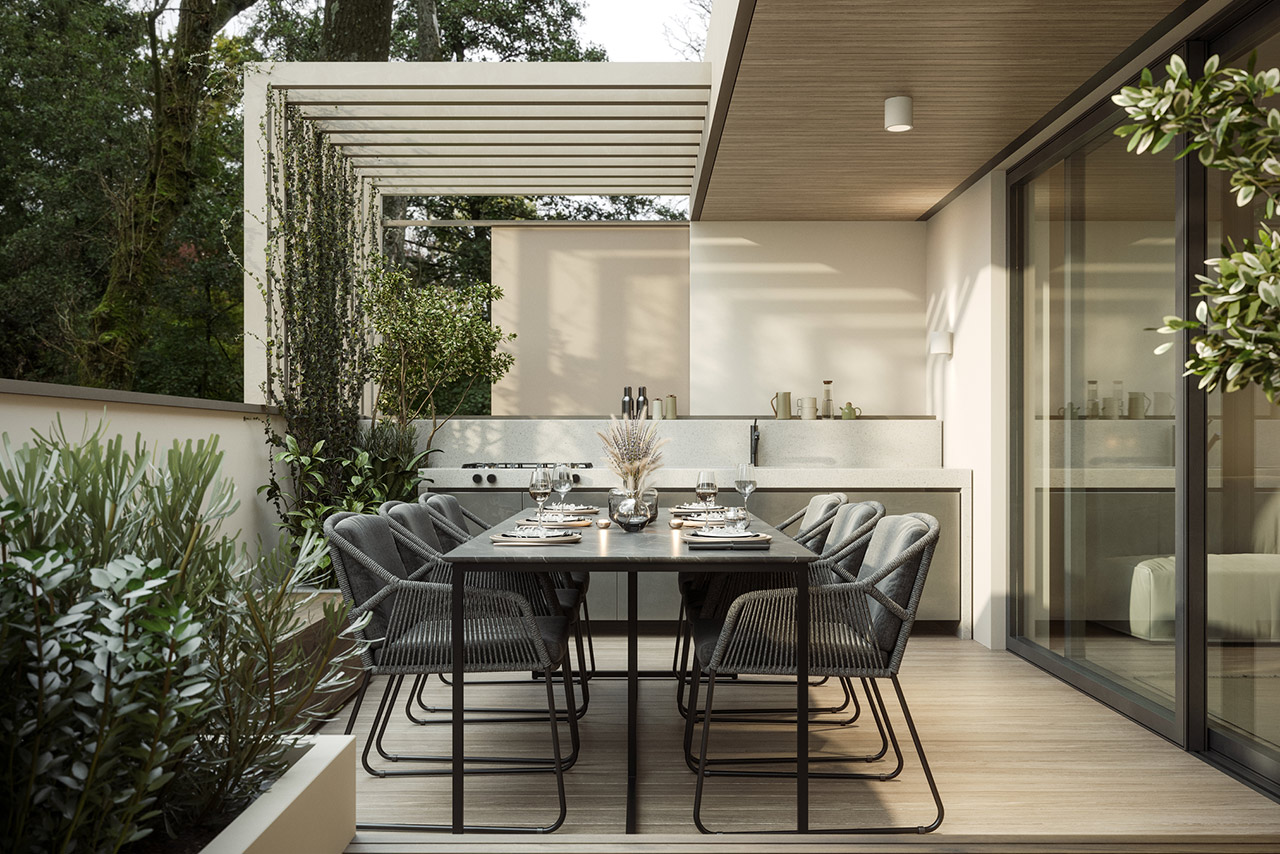
6. Outdoor Dining Spaces
Dedicated outdoor dining areas have become a major priority, especially since more homeowners are embracing casual entertaining at home.
Rather than squeezing a table onto a patio, many are designing intentional dining zones with:
Large farmhouse tables
Pergolas
Bistro lighting
Built-in benches
Outdoor bars
These spaces encourage longer dinners, easier hosting, and a more relaxed connection to the outdoors.
7. Wellness Features
Backyards are increasingly being designed with wellness in mind.
Homeowners are creating spaces that help them decompress, exercise, and recharge without leaving home. Some of the fastest-growing features include:
Cold plunge tubs
Saunas
Yoga decks
Meditation gardens
Outdoor showers
Swim spas
This trend reflects how homes are becoming more personalized around lifestyle and well-being rather than simply appearance.
8. Smart Outdoor Technology
Technology is making its way outside in a big way.
Homeowners now want backyard systems they can control from their phones, including:
Automated lighting
Smart irrigation
Pool controls
Outdoor audio systems
Motorized patio covers
Convenience plays a huge role here. Smart features allow homeowners to create ambiance, manage maintenance, and entertain more easily with minimal effort.
9. Sports and Recreation Areas
Families are increasingly looking for ways to make their homes more interactive and fun.
Popular recreational features include:
Pickleball courts
Putting greens
Basketball courts
Bocce ball areas
Built-in trampolines
These additions transform the backyard into a place where people actively spend time together instead of simply looking at the landscaping.
10. Privacy Features
As outdoor living becomes more important, privacy matters more than ever.
Homeowners want spaces that feel secluded and peaceful, especially in neighborhoods where homes are built closer together. Features that create privacy while still feeling attractive are in high demand.
Some of the most popular options include:
Mature hedges
Decorative privacy walls
Horizontal fencing
Pergolas with curtains
Layered landscaping
A sense of retreat has become one of the defining elements of a dream backyard.
The Backyard Has Become Part of the Home
What’s most interesting about today’s outdoor trends is that they aren’t just about showing off. They’re about creating spaces people genuinely use every day.
The modern backyard is no longer an afterthought—it’s a lifestyle extension of the home itself. Whether it’s a quiet morning coffee under a covered patio, a family dinner outdoors, or an evening around the fire pit, homeowners are investing in outdoor spaces that improve daily life in meaningful ways.
And while not every dream backyard needs a luxury pool or a full outdoor kitchen, the common thread is clear: people want outdoor spaces that feel intentional, comfortable, and personal.
Because increasingly, the best room in the house might not even be inside.
https://www.deanteamchicago.com/wp-content/uploads/sites/84/2026/05/article-outdoor-featured-051726.jpg7101280adminhttps://deanteamchicago.com/wp-content/uploads/sites/84/2015/09/dean-moss-logo.pngadmin2026-05-17 19:20:432026-05-17 19:23:34Dream Backyard Features Ranked: What Homeowners Want Most Right Now
Well now, we’re already halfway through May this weekend which means we’re about 10 days out from welcoming in the Memorial Day weekend and kicking-off our summer street festival season! So, until then, this weekend is going to provide us with a few pre-summer outdoor festivities!
The Friends of Lakeview invite you to their Lincoln Roscoe Art & Craft Fair this Saturday (10 a.m.-6 p.m.) and Sunday (10 a.m.-5 p.m.) at 3329 North Lincoln Avenue between Roscoe and Melrose Streets in the Lakeview neighborhood. This Fair offers free admission to the art festival featuring over 90 original artists and artisans showcasing their handmade products in art for the home including paintings, sculptures, and fiber pieces as well as décor, jewelry, and more. In addition, live music will be provided all weekend long along with painting classes; personalized poems; a face painting tent; selfie stations; tasty festival food; a Kid’s Art Zone complete with interactive art activities hosted by local businesses; and a broad selection of brews for purchase curated by Bitter Pops (local business). Treat yourself to a pre-summer day outdoors!
Make your weekend unforgettable at the 5th annual Lincoln Park Mayfest this Saturday (12 p.m.-10 p.m.) and Sunday (12 p.m.-9 p.m.) at 1000 West Armitage Avenue from Racine to Sheffield Avenues in the heart of the Lincoln Park neighborhood. This lively celebration features performances from top local bands on two stages, mouthwatering cuisine; a variety of refreshing libations; and a kids’ area with activities and inflatables. Plus, the popular Spring Fine Art Mart will be on hand to showcase local and national fine artists. It’s the ultimate pre-summer kickoff event offering a perfect blend of charm and energy!
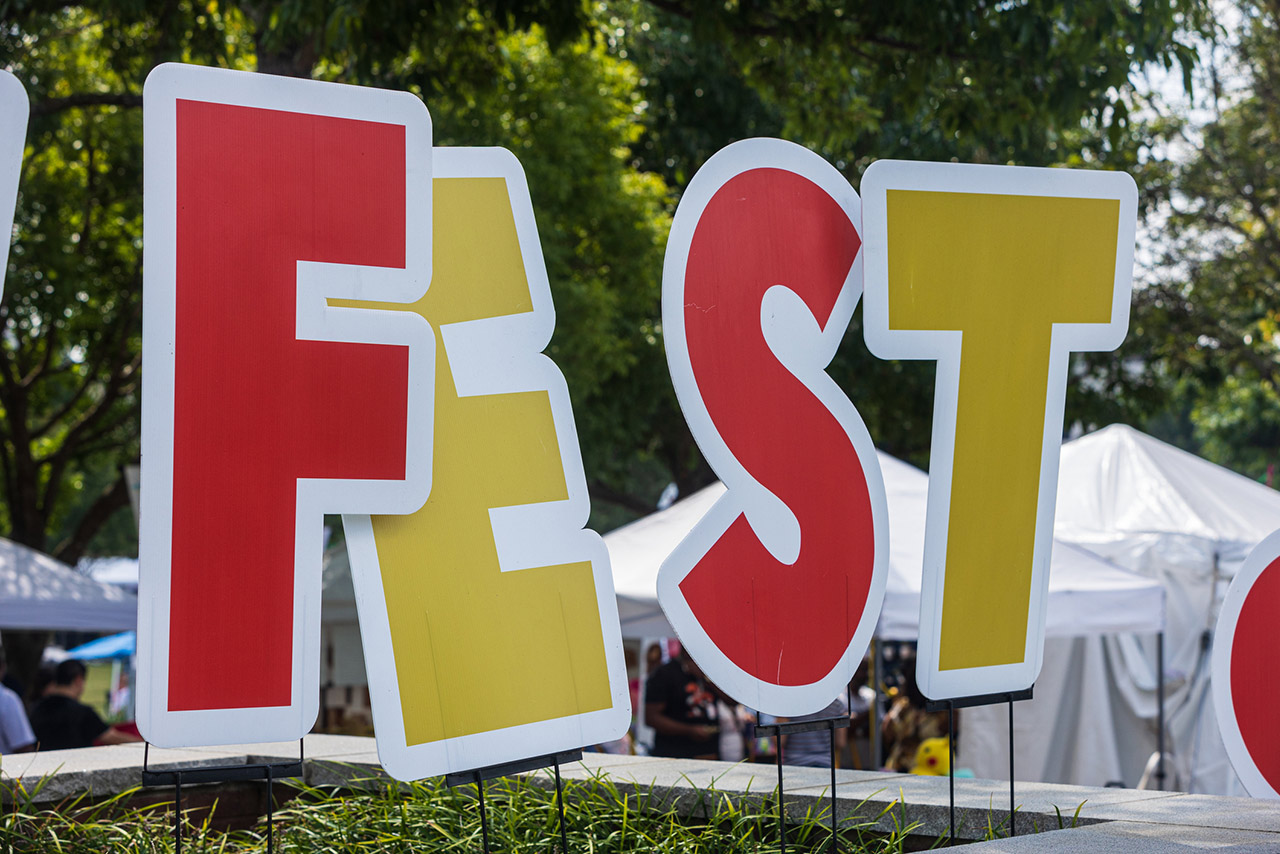
Come celebrate the spring season at Parkway Bank Park’s annual Spring Fun Fest this Saturday (1 p.m.-5 p.m.) located at 5501 Park Place in Rosemont. This Fest offers an exciting mix of free family-friendly activities that include balloon sculptors, bounce houses, face painting, a petting zoo, and other fun local vendors. In addition, enjoy live entertainment from the award-winning children’s music group, Jeanie B. and the Jelly Beans for an afternoon of free springtime fun!
Also, in Rosemont this weekend, the Donald E. Stephens Convention Center (5555 N. River Rd.) is hosting Anime Central (Acen) — the largest anime, manga, and Japanese popular culture convention in Chicago and the Midwest! This event features a huge exhibit hall, a massive video game room, concerts, dances, educational panels/workshops, premiere screenings, autograph sessions, tabletop gaming, and much, much more. Plus meet and greet creators, voice actors, directors and composers from the U.S. and abroad will be in attendance as well as you enjoy an incredible day!
Finally, the Chicago White Sox will be welcoming home the Chicago Cubs to Rate Field (333 W. 35th St.) in the Armour Square neighborhood this Saturday (6:10 p.m.) and Sunday (1:10 p.m.) for the first Cross-Town Classic of the season!
Sue Moss and Dean’s Team Chicago
https://www.deanteamchicago.com/wp-content/uploads/sites/84/2026/05/article-weekend-0511526.jpg8541280adminhttps://deanteamchicago.com/wp-content/uploads/sites/84/2015/09/dean-moss-logo.pngadmin2026-05-15 12:37:532026-05-15 12:37:54THIS WEEKEND IN CHICAGO – Pre-Summer Outdoor Festivities!
When Julia Foster Porter’s son Maurice died at age 13, the devastated family sought to honor his memory by making sure no other child would suffer the same fate.
“When Julia Foster Porter originally opened the hospital as an eight-bed cottage in Lincoln Park, it was the first children’s hospital in Illinois,” said Thomas Shanley, MD, President & CEO of Lurie Children’s, at their 140th Anniversary Celebration in a press release. “Her vision was to care for sick children irrespective of race, creed and ability to pay. This is the foundation of our current mission, which has evolved beyond exceptional patient care to include groundbreaking research, inspiring education, and relentless advocacy. “
“This mission continues to motivate us each day,” he concluded. “To achieve excellence in all these domains, so that every child has an opportunity for a healthier future.”
An Innovative History
Maurice Porter Memorial Hospital expanded quickly. According to Wikipedia sources, Porter built a three-story replacement hospital with 22 beds. In 1896, Porter planned and supported another expansion that increased the hospital’s capacity to 50 beds.
In 1903, Porter was given a large gift that allowed her to purchase the triangular block of land on which the new Maurice Porter Children’s Hospital was built at Lincoln and Fullerton Avenues. It remained there for 130 years.
The hospital underwent further reorganization in 1904, ultimately changing the hospital’s name from the Maurice Porter Children’s Hospital to Children’s Memorial Hospital (CMH). A few years later, in 1907 the hospital was gifted an X-ray machine by local philanthropist, John Borland. In the 1940s, doctors from CMH pioneered one of the earliest pediatric surgery programs in the country. Surgeons Willis J. Potts and Sidney Smith invented a number of surgical tools used to operate on blood vessels and they devised a new surgery to treat ‘blue baby syndrome’(cyanosis).
In the 1960s, Children’s Memorial Hospital’s Department of Anesthesia first established a pediatric intensive care unit (PICU) at CMH with the capacity of 10 beds.
In June 1979, former McDonald’s CEO, Ray Kroc made a donation to the hospital that funded the addition of a three-story building named the “Ray A. Kroc Diagnostic and Treatment Center” in his honor. The building included new operating rooms, a new 25-bed emergency department and a radiology suite.
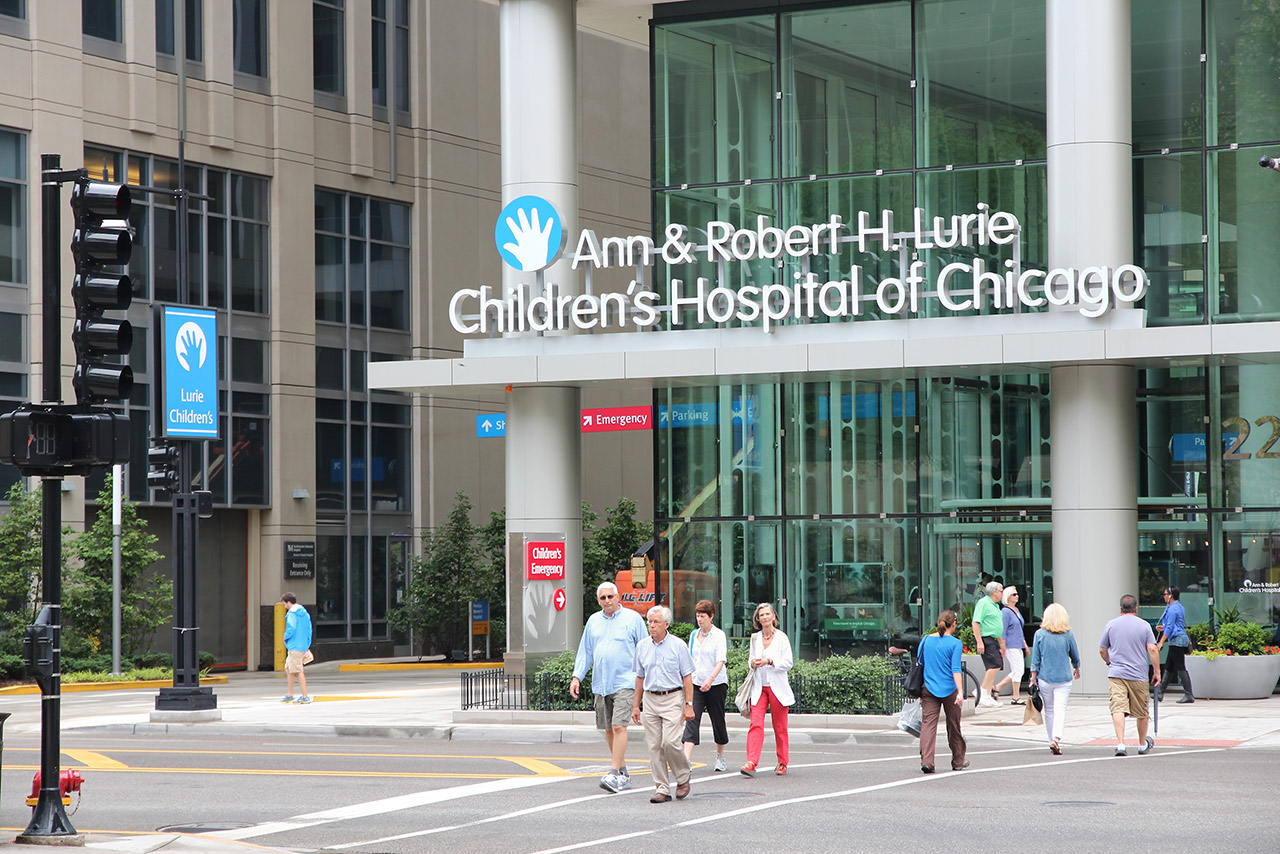
The hospital continued expanding through 2012, when it moved to its current location in Streeterville, following a $100 million gift from philanthropist Ann Lurie.
The new 1.25-million-square-foot facility allowed the hospital to be closer to its academic partner, the Northwestern University Feinberg School of Medicine. Now with 360 beds, the hospital provides comprehensive pediatric specialties and subspecialties to infants, children, teens, and young adults aged 0–21 throughout Illinois and surrounding regions.
During the 2020 COVID-19 pandemic, Lurie Children’s Hospital loaned out many of their ventilators to adult hospitals in the area (including neighboring Northwestern Memorial Hospital) to help deal with the adult ventilator shortage.
“All, for your one”
Lurie Children’s rallying cry sums up its mission: Whether it’s cutting-edge research, community advocacy or the very best clinical care, everything is driven by an intense passion to help kids become healthy, happy adults. Each year, more than 266,000 children receive medical care at Lurie Children’s.
Specialties and Services Today
The Ann & Robert H. Lurie Children’s Hospital of Chicago has a variety of patient care units to care for pediatric patients aged 0–21:
48-bed general medical & medical observation units
40-bed pediatric intensive care unit (PICU)
48-bed pediatric hematology and oncology unit
44-bed cardiac care unit
64-bed neonatal intensive care unit (NICU)
45-bed emergency department
23-bed pre and post operative
12-bed psychiatric unit (ages 3–17)
In addition to the pediatric patient care units, Lurie Children’s Hospital has 21 operating rooms. Their sky garden helps relax families at the hospital. The hospital affiliated with a nearby Ronald McDonald Children’s House to help support families during a child’s critical illness.
Sibling Support
Siblings are often the most overlooked part of the equation when a child is hospitalized. Yet their emotional well-being is essential to how the entire family copes. When caregivers must focus much of their attention on the sick child, siblings may feel lonely, angry, jealous, fearful, or confused. These responses are normal, but they still require care and understanding. Special attention is paid to siblings of critically ill children to ensure “whole-family” health and wellness.
Leader in LGBTQ+
Ann & Robert H. Lurie Children’s Hospital of Chicago was recognized as a “Leader in LGBTQ Healthcare Equality” by the Human Rights Campaign (HRC) Foundation, the educational arm of the country’s largest lesbian, gay, bisexual, transgender and queer (LGBTQ) civil rights organization.
In 2017, they earned the Business Leadership Award from Equality Illinois, an organization dedicated to advancing equal treatment and social justice through education, advocacy and protection of the rights of the LGBT community.
For more information on Ann and Robert Lurie Children’s Hospital, and its myriad specialties and services, click here.
Alison Moran-Powers and Dean’s Team Chicago
https://www.deanteamchicago.com/wp-content/uploads/sites/84/2026/05/article-neighborhood-051426.jpg8541280adminhttps://deanteamchicago.com/wp-content/uploads/sites/84/2015/09/dean-moss-logo.pngadmin2026-05-14 12:07:202026-05-14 12:07:22Neighborhood News: Streeterville’s Lurie Children’s Hospital- 144 Years of caring for Chicago’ s most vulnerable citizens
“(Chef) Norman’s ethos is that food should always provoke fun or emotion.”
Chef Norman Fenton, Co-Owner/Chef
Cariño is a Spanish word that refers to a feeling of fondness or love that a person has for someone or something. Known for its intimate setting and creative dishes like Huitlacoche Ravioli, Cariño, 4662 N. Broadway, provides an elevated, personal experience focused on rich flavors and high-quality ingredients, with options for chef’s counter and tasting menus.
Voted ‘Best New Restaurant’ at the Jean Banchet Awards for Culinary Excellence in 2025, and led by Chef Norman Fenton, the restaurant offers an immersive Latin American tasting menu and Taco Omakase that blends traditional and contemporary techniques.
Start with their signature basket of Chips and Salsa with Chef’s Salsa verde, tortilla crumb, and licorice (yes, licorice. You have to try it to believe it!)
Continue on with a flavorful Chicharrón (fried pork belly) with esquites (Mexican street corn) bbq, and epazote (Mexican herb). Or, a Michelada (Mexican beer) is more an appetizer than drink, with oyster, clamato pearls, and beer foam. Aguachile is spicy with a mix of Ora king salmon, cucumber, and jalapeño peppers.
I haven’t had chicken livers since I was five years old. Chef Norman rises to the challenge of making chicken livers special (no easy trick) through his Tacos Dorados. By seasoning the chicken livers with adobo, and pairing them with petite lettuce, the crunch of lettuce and the salty, tangy adobo combine for a unique dish. Or, Bluefin Tuna has another unique flavor with a Salsa matcha with negi (Japanese long green onion) and sudachi (Japanese citrus fruit).
Other unique combinations include a Tostada with tartare and al pastor, made sweet and citrusy with pineapple. Quesadilla are made with pumpernickel, Queso Oaxaca, and black garlic. Black Cod is enhanced by Chef’s use of chayote (pear-shaped squash) Mole Amarillo, and green pepitas (pumpkin seeds).
And as we frequently say at Dean’s Team Chicago, save room for dessert!! Enjoy Chamoyada, also known as a mangonada, has a mix of mango, lemon balm, and strawberry, while PineappleTepache is mixed with coconut, anise, and hyssop.
They have a special Tasting Menu for $200 per person, described as “an immersive culinary journey consisting of 12-14 courses…Showcasing the flavors throughout Latin America in a modernist approach.”
Another specialty of the house is their Chef’s Counter, which is described as “Immersive culinary journey in an intimate setting with the kitchen team consisting of 14-16 courses.” The Chef’s Counter is $225 per person.
Cariño is open Wednesday — Sunday, from 6pm — 12am. For reservations, click here.
Alison Moran-Powers and Dean’s Team Chicago
https://www.deanteamchicago.com/wp-content/uploads/sites/84/2026/05/article-reiew-051326.jpg8541280adminhttps://deanteamchicago.com/wp-content/uploads/sites/84/2015/09/dean-moss-logo.pngadmin2026-05-13 12:32:232026-05-13 12:32:24Restaurant Review: Uptown’s Cariño blends Michelin-starred, Latin American traditional and contemporary techniques
Most of us tend to consume more salt than recommended. Much of this comes from processed snacks and other foods like frozen meals. This is a little harder to control, so trying to limit these is your best option. But, we still want our meals to be flavorful while cutting down on the salt. Here are a few ways to boost the flavor without salt:
Add acids while cooking. Citrus juice or zest during cooking or just before serving can brighten and heighten flavors. Vinegar, wine, and spirits give a great boost to the flavor also. Cooking for just a few minutes will burn off any alcohol residue.
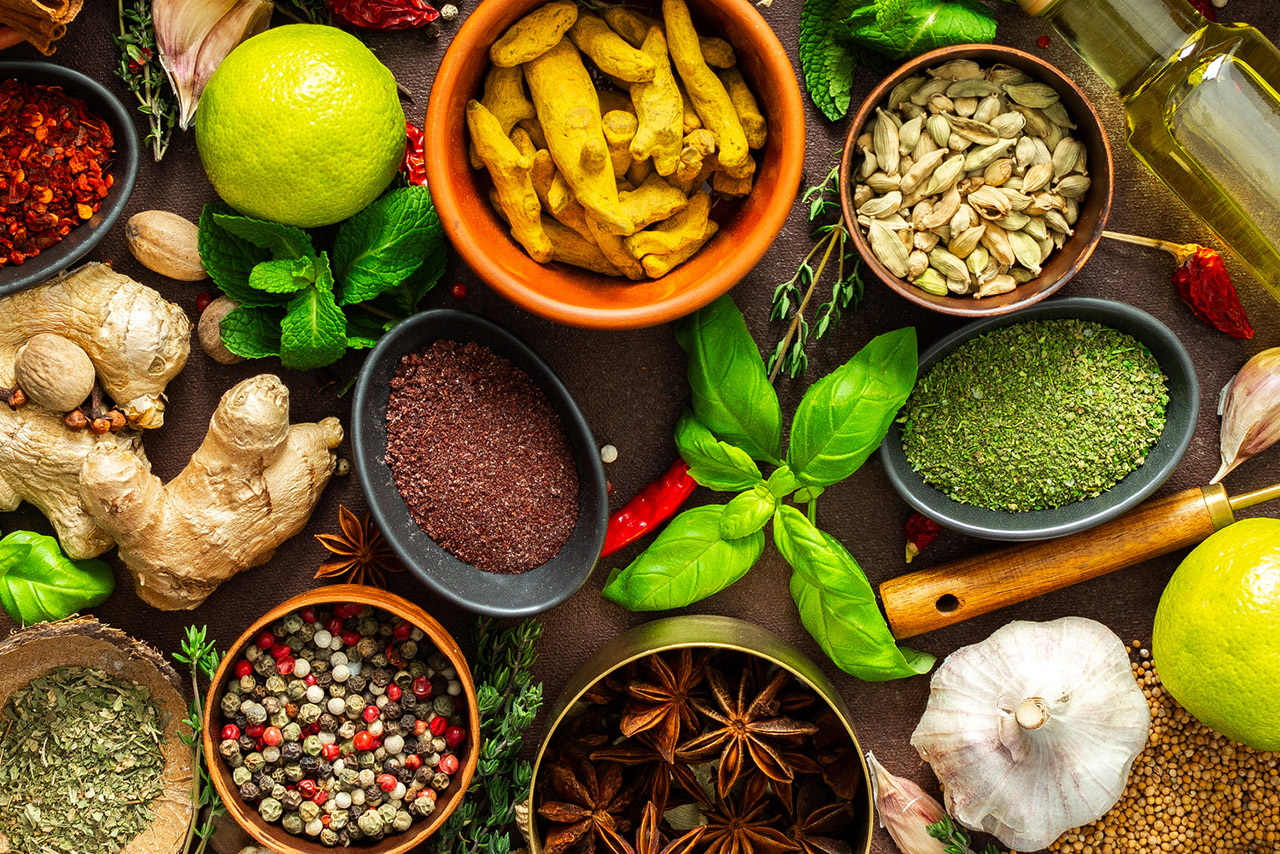
Start with a strong flavor base. Sauté aromatics like onions, leeks, carrots, celery, peppers, fennel, garlic and ginger. These will give you a strong flavor base to build from.
Take advantage of herbs and spices. Fresh herbs add so much flavor to any dishes you are cooking! It’s always best to add near the end of cooking to preserve their flavor. Dried herbs can take longer cooking. When using spices like cumin, curry or chili powder, toast them first in a dry pan for maximum punch. Watch them closely, they can burn quickly!
Intensify flavor with technique. Brown, sauté, pan-sear or roast meats and vegetables. Reduce and intensify flavors by simmering sauces, stock, wine and balsamic vinegars.
Save the brown stuff. All those little brown bits on the bottom of your sauté or roasting pans are called fond, and it is marvelous and so full of flavor. Capture all of it by deglazing. You can use just about any liquid, including water – but using wine, stock, or cider will add much more flavor. Sauté a tablespoon of tomato paste in the pan before deglazing for maximum punch to any sauce.
Utilize condiments. They aren’t just for adding before eating! Mustard, pesto, salsa, kimchi, gochujang, Worcestershire or red pepper spread can jazz up sauces, soups, casseroles, beans, vegetables, pastas and proteins. Mustard is especially good and can range from smooth, spicy Dijon to grainy.
What are some other ways you boost flavor?
Kathleen Weaver-Zech and Dean’s Team Chicago
https://www.deanteamchicago.com/wp-content/uploads/sites/84/2026/05/article-home-and-lifestyle-051226.jpg8541280adminhttps://deanteamchicago.com/wp-content/uploads/sites/84/2015/09/dean-moss-logo.pngadmin2026-05-12 12:43:202026-05-12 12:43:21Chicago Home and Lifestyles – 6 ways to lower your salt intake (but keep food flavorful)
Real estate investing has long been one of the most reliable ways to build wealth, but getting started can feel overwhelming. Between financing, property types, market trends, and renovation costs, many first-time investors hesitate because they think they need a massive budget or years of experience to succeed.
The truth is, most successful investors started small. The key is understanding which strategy fits your goals, risk tolerance, and available time. Whether you’re looking for passive income, long-term appreciation, or a side hustle that could grow into something bigger, there are beginner-friendly approaches that can help you get started with confidence.
1. Start with a House Hack
House hacking is one of the most popular entry points for beginner investors because it allows you to live in the property while generating income from it.
This could mean:
Buying a duplex and renting out one side
Renting out a spare bedroom
Converting a garage or ADU into a rental
Purchasing a home with a basement apartment
The biggest advantage? You may qualify for owner-occupied financing, which often requires a lower down payment and comes with better interest rates than traditional investment loans.
For many first-time investors, house hacking creates a unique opportunity to offset mortgage costs while building equity at the same time.
2. Buy and Hold Rental Properties
The buy-and-hold strategy is one of the simplest and most proven ways to invest in real estate. The concept is straightforward: purchase a property, rent it out, and hold it long term while the property appreciates in value.
Over time, you benefit from:
Monthly rental income
Property appreciation
Mortgage paydown
Potential tax advantages
Single-family homes are often a great starting point because they tend to attract long-term tenants and are generally easier to manage than large multifamily properties.
The goal isn’t to get rich overnight—it’s to create steady, compounding wealth over time.
3. Consider Short-Term Rentals Carefully
Platforms like Airbnb and VRBO have opened the door for investors interested in short-term rental income. In the right location, a vacation rental can generate significantly more income than a traditional long-term lease.
However, beginners should approach this strategy carefully.
Short-term rentals require:
More active management
Furnishing and maintenance costs
Marketing and guest communication
Understanding local regulations and permit requirements
If you live in or near a desirable vacation destination, this strategy may be worth exploring, but it’s important to fully understand the workload before diving in.
4. Look for Value-Add Opportunities
Not every profitable investment property is move-in ready. Some of the best opportunities come from homes that need cosmetic improvements.
A value-add property might need:
Updated flooring
Fresh paint
Kitchen or bathroom improvements
Landscaping upgrades
Minor repairs
These properties are often priced below market value, giving investors the chance to increase equity through strategic improvements.
The key for beginners is staying realistic. Start with manageable projects instead of major structural renovations that can quickly become expensive and stressful.
5. Invest in Emerging Neighborhoods
Many first-time investors assume they need to buy in the hottest, most expensive neighborhoods to succeed. In reality, some of the best investment opportunities are found in areas that are beginning to grow.
Signs of an emerging market may include:
New restaurants or retail development
Infrastructure improvements
Increasing home values
Job growth nearby
New construction activity
Buying before an area fully peaks can create strong long-term appreciation potential.
That said, research matters. Spend time studying local trends, rental demand, and future development plans before making a purchase.
6. Understand Your Financing Options
One of the biggest misconceptions about real estate investing is that you need huge amounts of cash to get started.
Many beginners use:
FHA loans
Conventional loans
VA loans (for eligible buyers)
Portfolio loans
Partnerships with other investors
The financing structure you choose can dramatically affect your monthly cash flow and overall return on investment.
Before buying, make sure you understand:
Down payment requirements
Interest rates
Closing costs
Cash reserve expectations
Estimated maintenance expenses
Running the numbers conservatively is one of the smartest habits a new investor can develop.
7. Focus on Cash Flow, Not Just Appreciation
A common beginner mistake is buying a property solely because they believe prices will rise in the future.
While appreciation is important, healthy investments are usually supported by strong cash flow first.
Positive cash flow means the property generates more monthly income than it costs to own and operate. Even modest monthly profits can add up significantly over time while helping protect you during market shifts.
A property that barely breaks even may become financially stressful if unexpected repairs or vacancies occur.
8. Build a Reliable Team Early
Real estate investing is rarely a solo effort. Having the right professionals around you can save time, money, and costly mistakes.
A strong investment team may include:
A knowledgeable real estate agent
A lender familiar with investment properties
A contractor
A property manager
An accountant or tax professional
A home inspector
Good guidance can make the learning curve far less intimidating for first-time investors.
Final Thoughts
The best real estate investment strategy for beginners is usually the one that balances opportunity with simplicity. You don’t need dozens of properties or massive capital to begin building wealth through real estate.
Starting small, staying financially disciplined, and focusing on long-term growth can create a strong foundation for future success.
Like most investments, real estate rewards patience, consistency, and informed decision-making. The sooner you begin learning how the process works, the sooner you can start turning real estate into a long-term financial tool instead of just a place to live.
https://www.deanteamchicago.com/wp-content/uploads/sites/84/2026/05/article-investing-featured-051026.jpg7201280adminhttps://deanteamchicago.com/wp-content/uploads/sites/84/2015/09/dean-moss-logo.pngadmin2026-05-10 23:54:042026-05-10 23:56:17Top Real Estate Investment Strategies for Beginners
What a weekend Chicago has planned for us! Not only are we celebrating our Moms this Sunday but we’re also launching Chicago’s summer season – unofficially, of course!!
It’s been a long time coming, but we’re ready for ComEd’s 12th annual Switch on Summer celebration this Saturday (11:30 a.m.-1 p.m.) at Buckingham Fountain in Grant Park (301 S. Columbus Dr.) in the Loop. The activation of Buckingham Fountain is a free, family-friendly event featuring engaging activities for children, families, and residents; cultural performances; music; local vendors; and more. In addition, this event is also the official kick-off for the Chicago Park District’s Night Out in the Parks summer programming which activates parks across the city with cultural events and performances!
Experience a festive race through Chicago’s West Loop neighborhood this Saturday (8 a.m.) for the 15th annual 2026 Cinco de Miler 5 Mile Run at its new location at Union Park (1501 W. Randolph St.). Registration includes exclusive swag; a commemorative Finisher’s Medal; a Big Breakfast of burritos and horchata; one complimentary Beer/Mule (21+); a live mariachi band; and free race photos. And, after crossing the finish line under the iconic 3-story piñata arch, the celebration continues at the Cinco de Miler Cantina for an epic post-race fiesta featuring delicious Mexican treats, ice-cold Mexican Mules, and more. It’s a party you won’t want to miss!
Did you know there’s a festival for those who love all things pickled? You do now, as the Chicago Pickle Fest takes place this Saturday (11 a.m.-6 p.m.) at some of the best bars in the Wrigleyville neighborhood. You’ll be partying all day with pickle beer, pickle cocktails and mocktails, and special pickle-focused food items in honor of this tangy treat. A ticket includes admission, a whiskey shot with pickle back, live bands, access to tasty, pickley products, and more. The world is your pickle at this fest!
Looking for some suggestions on the best ways to pamper your Mom this Sunday on Mother’s Day? Well, here are a few I came across.
Mother’s Day Cruises on the Chicago River from 10:00 a.m. to 9:00 p.m. departing from the River Esplanade (455 N. Cityfront Plaza Dr.) in the Streeterville neighborhood. Sail through the heart of downtown on select cruises that include bottomless mimosas, face painting for children, and a complimentary rose for every mother.
Mother’s Day Cruises on Lake Michigan from 10:00 a.m. to 9:00 p.m. departing from Navy Pier (600 E. Grand Ave.) in the Streeterville neighborhood. Treat Mom to chef-prepared dining, skyline views, DJ entertainment, dancing, and family-friendly fun on the lake!
Mother’s Day at Robert’s Pizza & Dough Co. from 11:00 a.m. to 2:00 p.m. located at 465 North McClurg Court (River East Plaza) in the Streeterville neighborhood. Enjoy their brunch menu and several specials. Plus, all Moms receive a complimentary glass of Prosecco!
Mother’s Day Brunch at Carnivale from 10:00 a.m. to 3:00 p.m. located at 702 West Fulton Market in the West Loop. Treat Mom to an abundant spread of chef-crafted favorites, festive seasonal dishes, and decadent desserts all served in their iconic, art-filled dining rooms for an unforgettable day with Mom!
https://www.deanteamchicago.com/wp-content/uploads/sites/84/2026/05/article-weekend-050826.jpg8541280adminhttps://deanteamchicago.com/wp-content/uploads/sites/84/2015/09/dean-moss-logo.pngadmin2026-05-08 12:59:062026-05-08 12:59:07THIS WEEKEND IN CHICAGO – CELEBRATING MOM!!!
Today, Farmer’s Markets are synonymous with fresh, locally grown produce, fresh flowers and plants, and a spirit of community among neighbors.
But for most, Outdoor Farmer’s Markets are a sign that it’s again a time to go outdoors, to bask in the sun, and to appreciate nature’s bounty.
Over the next month, Farmer’s Markets are opening all over the city, and Dean’s Team Chicago has compiled a list of markets. Many accept SNAP benefits and match funds; please click on the links for details:
West Loop
Green City Market, 900 W. Monroe Street, at Mary Bartelme Park, is open on Saturdays from 8am–1pm. The Farmer’s Market is open from now– November 21.
Chicago Loop
Daley Plaza Farmer’s Market opens Thursday, May 22 and runs from 7am to 2pm every Thursday through October 30. Offering fresh produce, flowers, local food vendors, entertainment, it’s a perfect spot for a midday break…lots of fresh grab n’ go items for lunch!
Lincoln Park’s core season markets will be on Wednesdays and Saturdays from 7am-1pm. For more information, click here.
North Side
Logan Square Farmers Market: 2620 N. Milwaukee Avenue runs Sundays, 8:30 AM–3 PM, opening May 10. Going strong for 18 years, Logan Square’s Farmer’s Market, according to Choose Chicago, has been called the best farmers market in Illinois by USA Today.
The market runs from May 5 – October 29, while Tuesday’s season extends to November 18.
Wicker Park Farmers Market: 1425 N Damen Ave. Sundays, 8am–2pm, from now–October 25. The weekly outdoor market features local produce, baked goods, meats, cheeses, flowers, and crafts, running Sundays from May through October, 8am to 2pm. It emphasizes sustainable, local food and small businesses, offering activities like yoga, kids’ crafts, and live music, and accepts SNAP/Link benefits.
Lincoln Square Farmers MarketDiscover over 50 vendors each week at the Lincoln Square Farmers Market, 2301 W. Leland Avenue. Occurring Tuesday morning and Thursday afternoon in the heart of Lincoln Square, the market connects local farmers, artisans, and food purveyors to the Northside of Chicago. The Tuesday morning market has an extended season running through November 17, 2026.
Irving Park
Horner Park Farmers Market, 2741 W. Montrose Avenue. This social, open-air marketplace, taking place on Saturdays from June through October, is all about connecting the community with local farmers and makers. All the vendors are small growers, producers, and artisans from around the Midwest. Walk around and admire the goods, try samples, and catch free events like yoga classes and shows from local musicians.
Alison Moran-Powers and Dean’s Team Chicago
https://www.deanteamchicago.com/wp-content/uploads/sites/84/2026/05/article-neighborhood-050726.jpg8541280adminhttps://deanteamchicago.com/wp-content/uploads/sites/84/2015/09/dean-moss-logo.pngadmin2026-05-07 13:11:212026-05-07 13:11:23Neighborhood News: Farmer’s Markets blossoming throughout Chicago
Honoring Mothers on a specific day originated in 1908, when Anna Jarvis held the first Mother’s Day service of worship at Andrews Methodist Episcopal Church in Grafton, West Virginia, according to Wikipedia sources.
In 1914, Woodrow Wilson signed a proclamation designating Mother’s Day, held on the second Sunday in May, as a national holiday to honor mothers. Hence, a Sunday celebration! 🎊 🎉
Chicago’s eclectic restaurants in every corner of the city are making grand plans for the annual event. Dean’s Team Chicago has compiled a list of Chicago restaurants still taking reservations for Sunday, May 10.
In Streeterville, the Albert, 228 E. Ontario Street, Chef Steven Chiappetti is creating a special dining experience designed for sharing, savoring, and enjoying Mom’s favorite flavors together! The restaurant, in the Hotel EMC2, for $60 per person, their “Brunchissumo” Italian Coastal Experience includes such specialties as Panzanella, Grilled Asparagus with Prosciutto in aged balsamic, Green Bean and Red Onion with lemon vinaigrette, and Marinated Artichokes. Follow that with Verdure-sweet peppers, mushrooms, onions, crushed San Marzano tomatoes, and provolone cheese, or an Egg Frittata, with eggs, garden vegetables, dill, and mozzarella. For reservations, click here.
At Navy Pier, bring Mom and the family to internationally celebrated Chef Art Smith’s Reunion Restaurant, 700 E. Grand Avenue, features a robust menu of Chef Art’s signature comfort foods, many with a healthier spin, plus a variety of new dishes that lean into the Midwest’s bountiful supply of farm-fresh meat, fruit, and product.
Their $45 per person, Southern-inspired Mother Day Brunch items include their Church Lady Deviled Eggs or Fried Green Tomatoes, followed by your choice of Shrimp and Grits, Brisket Hash, or Chicken & Waffles before finishing off off with a true Louisiana creation…Beignets! For reservations, click here.
In Andersonville, another Southern-inspired gem is Big Jones, 5347 N. Clark Street , which marked 16 years in Andersonville in April. As Audacy.com points out, their #Beat Bobby Flay biscuit sandwich was a winner on the Food Network competition show. Chef Paul’s Iron Chef-beating homage to the humble egg sandwich – a big, bodacious buttermilk biscuit slathered with sweet cream butter and stacked with Chaurice (Creole hot sausage), Jarlsberg Swiss cheese, and spicy apple chutney, served with your choice of side.
Other unusual choices include Skillet Cornbread, Hazzard Free Farm heirloom cornmeal baked in bacon fat and topped with whipped sorghum butter. Decadent! Sweet Potato Pancakes, which are richly spiced rice flour pancakes, laced with sweet potato puree, filled with vanilla pastry cream, and topped with honey pecan granola, whipped sorghum butter. Gumbo Yaya has chicken, house made andouille sausage, and homemade Worcestershire sauce, along with a dark, smoky roux. It’s served with steamed Cahokia rice. Their traditional brunch on Mother’s Day weekend runs from 9am-4pm. For reservations, click here.
At River North’s Bub City, 435 N. Clark Street, celebrate Mom, as they say on their website, with brunch alongside live acoustic country music! Enjoy specials like Cinnamon Pull-Apart Sticky Buns, Egg White Tacos, Chicken & Waffle, Bottomless Mimosas and more! For reservations, click here.
At Fulton Market’s Carnivale, 702 W. Fulton Market, a vibrant, family-friendly brunch filled with bold flavors, colorful displays, and joyful energy. An abundant Mother’s Day Brunch Buffet, featuring an array of chef-crafted brunch favorites for $70 per person, including Spanish Style Seafood Paella with octopus, clams, calamari, scallops, tomato-saffron broth, and bomba rice. Bacon Wrapped Dates, Braised Short Rib and Barbacoa, festive seasonal dishes, and decadent desserts served in their iconic, art-filled dining rooms.
Guests are invited to relax, indulge, and celebrate Mom with great food, lively ambiance, and warm hospitality — the perfect way to honor Mother’s Day with family and friends. For reservations, click here.
Note: Happy Mother’s Day to all those who care for others…tirelessly, faithfully and without thought to their own comfort. That will always be the definition of ‘Mother.’
Alison Moran-Powers and Dean’s Team Chicago
https://www.deanteamchicago.com/wp-content/uploads/sites/84/2026/05/article-review-050626.jpg8541280adminhttps://deanteamchicago.com/wp-content/uploads/sites/84/2015/09/dean-moss-logo.pngadmin2026-05-06 12:38:072026-05-06 12:38:08Restaurant Review: Last-Minute Mothers Day Brunch Reservations in Chicago