
Chicago Home and Lifestyles – 6 Winter vegetables to add protein to your diet
We don’t usually think of protein when we are choosing vegetables for our winter recipes. We think of fiber, antioxidants and a great host of other healthy nutrients—but many of the vegetables we use in the winter do have a good amount of protein. It’s an excellent reason to shop seasonally and boost the protein content in your meals.
Spinach is available year-round, but it is considered a cold weather vegetable. Spinach has more than 5 grams of protein in one cup (cooked). It is also a good source of calcium, iron and vitamin K, all essential for energy production and bone health. It also boosts your immune system with vitamin C and carotenoids. Spinach is delicious sauteed with garlic and olive oil. You can also blend it into soups and smoothies, layer it into lasagna and other casseroles or simply steam for a side dish.
Frozen green peas are a great winter vegetable. They are frozen at the peak of freshness and are a great addition to our diets when fresh vegetables are less plentiful. But did you know that they contain 4 grams of protein in half a cup? They are also packed with vitamins K and A, along with essential minerals like magnesium, potassium and calcium for heart health. Peas can be added to almost any dish like soups, stews or pasta. They add freshness to cold salads and are great steamed with butter and herbs. Toss them in stir fries and fried rice!
Russet potatoes are a great winter vegetable packed with nutrients. They also contain 5 grams of protein (one medium baked potato) in addition to the minerals potassium and manganese. When you leave the skin on, potatoes are high in fiber and promote good digestion. Mash them with the skins on, add them to soups and stews to thicken and add nutrients, or sauté with onions and peppers to boost your breakfast spread. You can also season and roast thick cut planks (fries) with olive oil and garlic.
Parsnips are perhaps considered an old-time vegetable, but they are tasty and good for you. One parsnip contains 2 grams of protein, and is high in vitamins C and K, in addition to copper, manganese, and zinc. You can cook them like carrots, they’re great in a winter vegetable roast. Blend them with roasted squash for a hearty winter soup. They are a great addition to any soup, stews and casseroles.
Mushrooms are a great winter addition. White mushrooms contain 2 grams of protein while portobellos have 3 grams. Mushrooms are also one of the best sources of ergothioneine, a compound tied to brain health and protects against cognitive decline. They also contain vitamin D, necessary for us Midwesterners as we don’t get as much from the sun during the short days of winter. Mushrooms are very versatile. Toss raw into salads. Sauté oyster or shitake for a great side dish or roast with other winter vegetables. Large portobellos are a good meat substitute for grilling or stuffing.
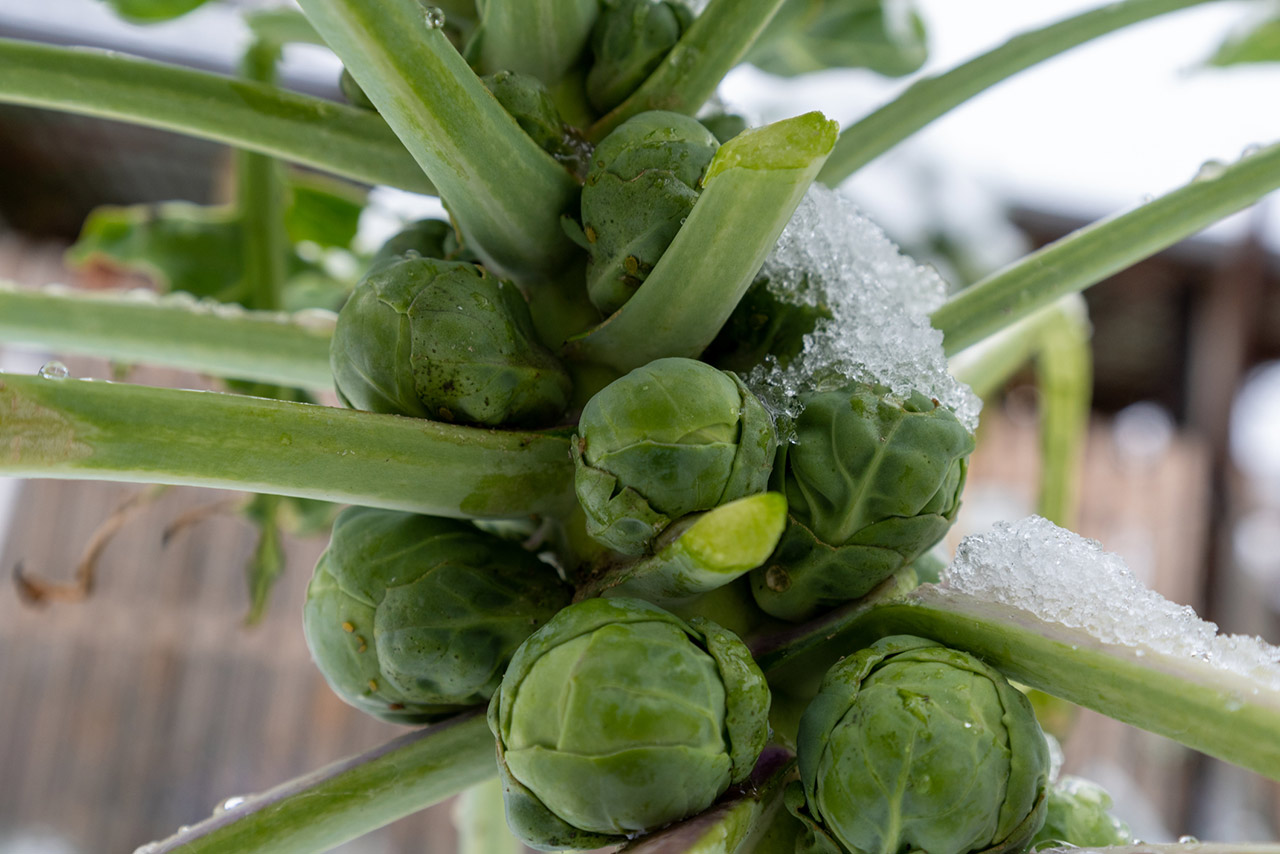
Last, but not least, are brussel sprouts. These humble vegetables have become increasingly popular as we discovered that, no, they aren’t gross—our mothers just cooked them too long, causing that nasty, sulfur taste. They contain 4 grams of protein in one cup along with vitamins, antioxidants and fiber to feed your gut bacteria. Roast in olive oil and balsamic glaze for a sweet savory side. Saute with pancetta, garlic and olive oil. Shave Brussels sprouts and add to a salad with warm cider vinegar and olive oil.
Do you have any good ideas for using these protein rich winter vegetables?
Kathleen Weaver-Zech and Dean’s Team Chicago