
Chicago Home and Lifestyles – What is the best sleep position? The pros and cons
Unfortunately, the answer is not so clear cut. Here are the pros and cons of different positions (plus a few tips to improve them):
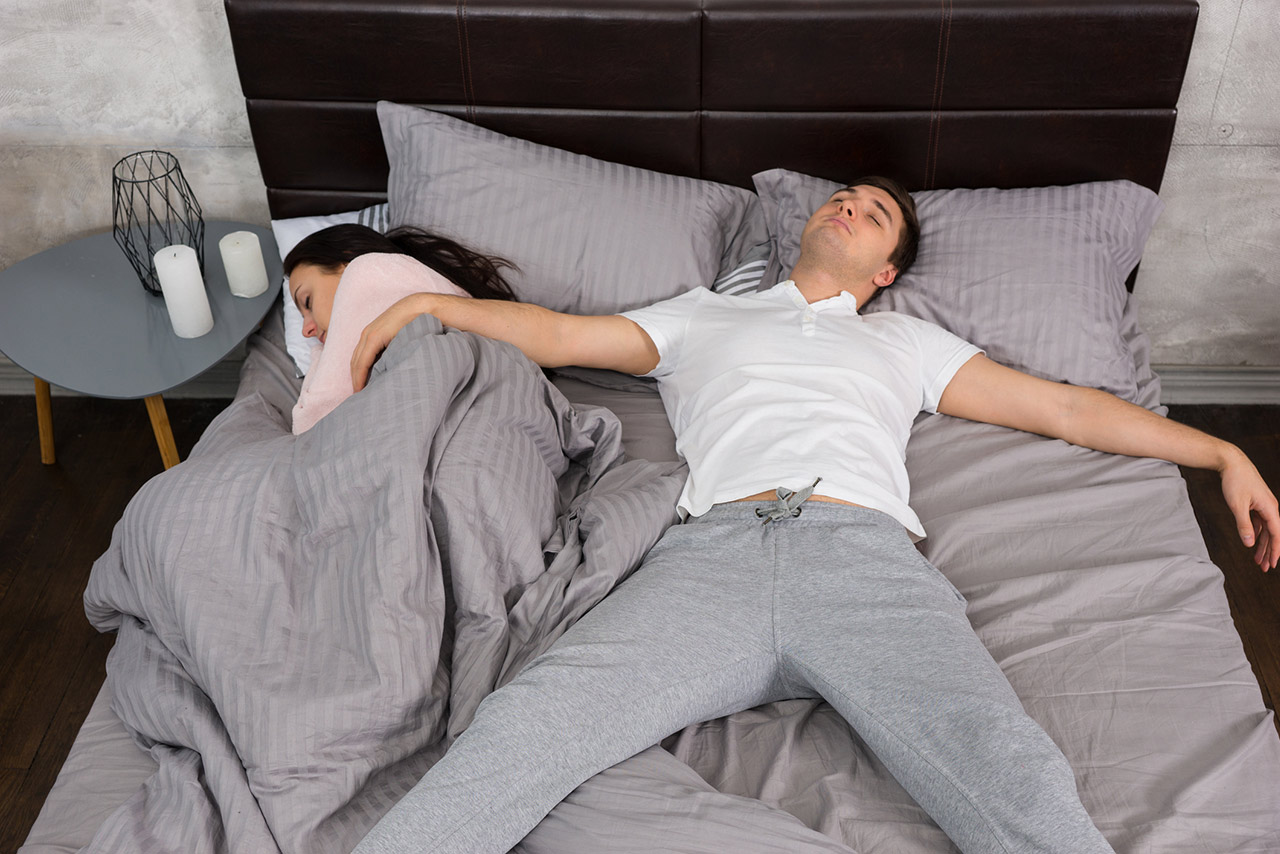
On your back. Sleeping on your back can be good if you have a good supportive pillow that keeps your neck and spine in a neutral position. This generally keeps your airway open letting you breathe easier. However, if you suffer from sleep apnea that causes your breathing to stop and start it can be detrimental! Your throat muscles become too relaxed, and your tongue can fall to the back of your throat. So, if you’re a back sleeper try placing a pillow under your knees to keep your spine aligned.
On your side. Side sleepers are different depending on which side you choose.
Lying on your right side may be better for blood flow as well as lower pressure on your heart.
Left side sleepers may be better for clearing waste from your brain. The glymphatic system washes away harmful metabolic by-products like proteins that are linked to Alzheimer’s disease.
More important is your position on your side. If you do the fetal position to ease lower back pain, be careful not to curl up too much. It can compress your chest and restrict your breathing. It’s best to be as linear as possible. Place a pillow between your knees or use a whole-body pillow to align your spine.
On your stomach. While sleeping on your stomach is generally considered the least healthy position, it can provide a sense of security and some temporary pain relief for the lower back. However, stomach sleepers should be wary of strain on their spine and place a thin pillow under their hips for better alignment.
So, in the end there is no perfect sleeping position. Most of us move around and shift positions multiple times throughout the night, but the most important thing is to find the best position that will keep your airway open. Always remember the ABCs of respiratory therapy: airway, breathing and circulation.
If you notice you’re still tired after what seemed like a good night’s sleep, it probably has something more to do with your breathing rather than your sleep position.
Kathleen Weaver-Zech and Dean’s Team Chicago