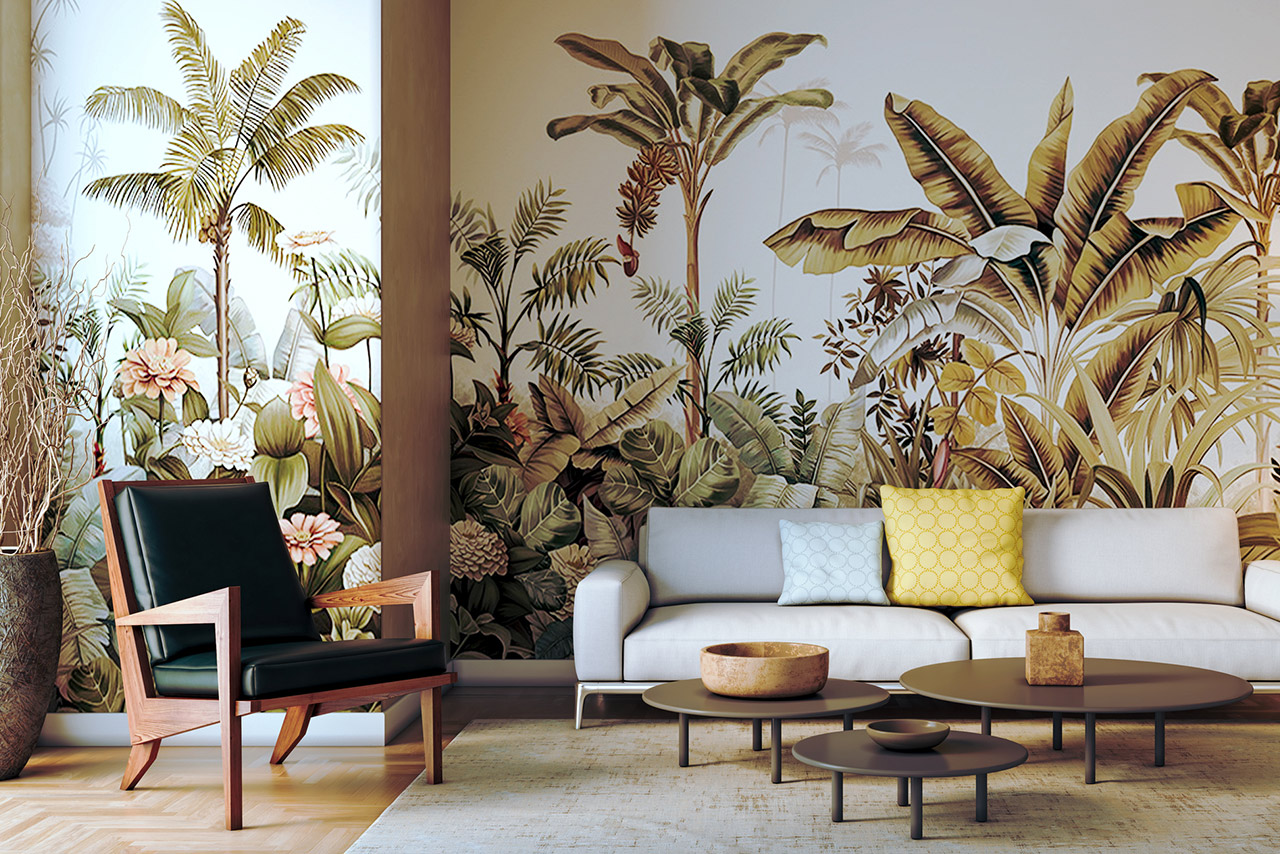
Summer is one of the busiest times of the year for real estate. Longer days, beautiful weather, and flexible schedules make it easier for buyers to tour homes and make moving plans before fall. If you’re thinking about selling, now is the perfect time to make your home stand out.
Here are some of the best ways to attract more buyers and make a lasting impression this summer.
Maximize Your Curb Appeal
First impressions happen before buyers ever step inside. Summer offers the perfect opportunity to showcase your home’s exterior.
Keep your lawn neatly mowed, trim hedges, add fresh mulch, and plant colorful flowers to create a welcoming entrance. A freshly painted front door, clean windows, and a pressure-washed driveway can instantly boost your home’s appearance.
Let the Sunshine In
Natural light is one of the most desirable features buyers look for. Before every showing, open curtains and blinds to let sunlight fill each room.
Replace burned-out light bulbs, clean windows inside and out, and remove heavy drapes that block daylight. Bright, airy spaces feel larger and more inviting.
Keep Your Home Cool and Comfortable
Summer temperatures can make or break a showing experience.
Set your air conditioning to a comfortable temperature before buyers arrive. Ceiling fans, shaded rooms, and even a subtle citrus or linen scent can help create a refreshing atmosphere that encourages buyers to linger.
Highlight Outdoor Living Spaces
Many buyers are looking for homes that extend beyond the interior.
Stage your patio, deck, or backyard with comfortable seating, outdoor rugs, colorful cushions, or a dining set. If you have a fire pit, pool, or outdoor kitchen, make these features shine by ensuring everything is clean and well maintained.
Help buyers imagine themselves enjoying warm summer evenings in their new home.
Declutter and Simplify
A clean, organized home always photographs better and feels more spacious during showings.
Pack away personal items, clear countertops, organize closets, and remove excess furniture that makes rooms feel crowded. Less clutter helps buyers focus on the home’s features rather than your belongings.
Schedule Professional Photography
Summer’s longer daylight hours provide ideal lighting for real estate photography.
Professional photos, twilight images, and even drone photography can showcase your property in its best light and help your listing stand out online, where most buyers begin their search.
Price Your Home Strategically
Even during a strong summer market, pricing matters.
A competitively priced home often attracts more interest, generates stronger offers, and may even create multiple-offer situations. Working with an experienced real estate professional can help you determine a price based on current market conditions rather than emotion.
Be Flexible With Showings
Summer schedules can vary as families balance vacations, camps, and weekend activities.
Offering flexible showing times—including evenings and weekends—can help more buyers see your home, increasing the likelihood of receiving an offer.
Don’t Forget the Small Details
Simple touches can make buyers feel welcome without overwhelming the space.
Fresh flowers, neatly folded towels, clean entryways, and a bowl of seasonal fruit can add warmth and freshness. Small details often leave a lasting impression.
Final Thoughts
Summer provides an excellent opportunity to showcase your home’s best features. With thoughtful preparation, smart pricing, and inviting presentation, you can attract more buyers and position your home for a successful sale.
Whether you’re preparing to list this month or simply exploring your options, taking the time to present your home at its best can make all the difference in today’s competitive market.
https://www.deanteamchicago.com/wp-content/uploads/sites/84/2026/07/article-summer-featured-071226.jpg7201280adminhttps://deanteamchicago.com/wp-content/uploads/sites/84/2015/09/dean-moss-logo.pngadmin2026-07-13 11:48:012026-07-13 11:49:28Summer Selling Secrets: Attract More Buyers This Season
Whether you’ve just bought your first home, moved into a new apartment, or you’re simply looking to refresh your space, making it feel stylish and functional doesn’t have to come with a hefty price tag.
That’s where IKEA hacks come in. IKEA’s affordable furniture and storage solutions have become a favorite among DIY enthusiasts because they’re easy to customize, budget-friendly, and surprisingly versatile. With a little creativity, you can transform basic pieces into custom-looking furniture, maximize storage, and add personality to your space—often without making permanent changes.
Here are 15 clever IKEA hacks that can help homeowners and renters make the most of every square foot.
1. Create a Built-In Look with Bookcases
Arrange a few IKEA bookcases side by side to create the appearance of custom shelving. Homeowners can add trim and paint for a built-in finish, while renters can simply style the shelves with baskets, books, and décor for a polished look.
2. Give a Basic Dresser a Designer Makeover
Swap out standard knobs and handles for modern hardware or add peel-and-stick wallpaper to drawer fronts for an instant upgrade. It’s an easy way to personalize your furniture without spending a fortune.
3. Design a Functional Entryway
Even if you don’t have a formal mudroom, a storage bench, wall hooks, and a slim shoe cabinet can keep coats, bags, and shoes organized while making your entryway feel welcoming.
4. Maximize Closet Space
Closet organizers, shelf dividers, hanging storage, and storage bins can completely transform an overcrowded closet into a tidy, easy-to-use space.
5. Add Stylish Wall Storage
Floating shelves are great for displaying books, plants, photos, or decorative accents. If you’re renting, look for installation methods that comply with your lease or use freestanding shelving units to achieve a similar effect.
6. Build a Coffee Station
Turn a small cabinet, cart, or bookshelf into a dedicated coffee or beverage station. It’s a fun way to organize mugs, coffee supplies, and small appliances while adding character to your kitchen or dining area.
7. Create a Cozy Reading Nook
Combine a storage bench, soft cushions, and a floor lamp to create the perfect reading corner. It’s an inviting addition to any home, apartment, or condo.
8. Set Up a Custom Home Office
Mix and match tabletops, drawer units, and shelving to build a workspace that fits your available space and your budget. Whether you’re working remotely or managing household tasks, a functional desk setup can make a big difference.
9. Organize the Laundry Area
Use rolling carts, shelving, baskets, and organizers to keep detergents, cleaning supplies, and laundry essentials neatly stored—even in compact laundry closets.
10. Make a Small Kitchen Feel Bigger
Drawer organizers, magnetic storage, and vertical shelving help maximize cabinet space and keep countertops clutter-free without requiring a kitchen remodel.
11. Create an Organized Playroom or Family Space
Storage cubes and labeled bins make it easier to organize toys, games, crafts, or even pet supplies while keeping everything within easy reach.
12. Take Advantage of Under-Bed Storage
Store seasonal clothing, extra blankets, shoes, or holiday decorations in under-bed storage containers to free up valuable closet space.
13. Tidy Up Utility Spaces
Whether it’s a garage, storage room, utility closet, or pantry, shelving units and stackable bins help keep everything organized and easy to find.
14. Refresh Your Bathroom
Simple additions like over-the-toilet shelving, drawer organizers, baskets, and towel storage can make even a small bathroom feel more spacious and organized.
15. Upgrade Your Outdoor Space
Balcony, patio, or backyard—every outdoor area can benefit from comfortable seating, planters, outdoor lighting, and clever storage solutions that create a relaxing place to unwind.
Why IKEA Hacks Are So Popular
One of the biggest reasons people love IKEA hacks is their flexibility. Many projects can be completed in a weekend using affordable materials and basic tools, while others require little more than creative styling.
They’re also ideal for people who move frequently. Many IKEA pieces are lightweight, adaptable, and easy to repurpose from one home to the next, making them a smart investment whether you rent or own.
Best of all, these projects allow you to create a home that reflects your personality without stretching your budget. A few thoughtful upgrades can make any space feel more organized, inviting, and uniquely yours.
Final Thoughts
Creating a beautiful home isn’t about spending the most money—it’s about making smart choices that improve the way you live. Whether you’re settling into your first apartment, decorating your forever home, or simply looking for fresh ideas, IKEA hacks offer creative ways to add style, storage, and function to almost any space.
Start with one simple project, experiment with your personal style, and enjoy transforming your space into a home that works for you.
https://www.deanteamchicago.com/wp-content/uploads/sites/84/2026/07/article-ikea-hacks-featured-070526.jpg7201280adminhttps://deanteamchicago.com/wp-content/uploads/sites/84/2015/09/dean-moss-logo.pngadmin2026-07-05 23:04:532026-07-05 23:06:4515 Clever IKEA Hacks Every Homeowner and Renter Should Know
It’s always best to use natural products in the garden. We know how dangerous pesticides can be, especially to living beings closer to the ground like pets and children. It turns out there is a useful pantry staple I would think 100% of you have: white sugar! Sugar, used properly, won’t harm your plants and you don’t need much to:
Keep nematodes under control. We do like some to combat grubs, but too many can wreak havoc. Increasing the soil’s sugar levels will decrease nematode egg production. Dissolve half a cup of sugar in a gallon of water and soak the soil around plants affected.
Reduce stress for newly transplanted plants. Doing it once after transplanting will get microbial activity going at the roots. Just one application is enough as more may attract other pests.
Kill weeds. Sprinkle some at the base of the weed and follow with a light watering. This temporarily ties up the nitrogen in the soil. Most weeds will struggle and die so you can pull them easily and they won’t come back.
Attract butterflies. Sugar attracts one of nature’s best pollinators to your garden. It mimics nectar. Dissolve one part sugar in four parts water. Dip clean cotton balls and leave them around the garden for butterflies to land on.
Make wasp traps. You can make a wasp trap out of a two-liter plastic bottle. Cut off the top few inches then fill the bottom with two cups of sugar mixed with one cup water. Put the top back on, upside down to make a funnel. Wasps will find it difficult to get out.
Strengthen your compost. A little sugar in your compost will nourish the good microbes and speed up the breakdown of organic matter. Stir in well and apply around the base of plants. Do remember to use lightly, too much will attract rodents and other pets.
Energize freshly cut flowers. It gives them a huge boost! The stems feed on it and the blooms will last longer. Add a teaspoon of sugar to the base and add water. For best results change the water every few days.
Kathleen Weaver-Zech and Dean’s Team Chicago
https://www.deanteamchicago.com/wp-content/uploads/sites/84/2026/06/article-home-and-lifestyle-063026.jpg8541280adminhttps://deanteamchicago.com/wp-content/uploads/sites/84/2015/09/dean-moss-logo.pngadmin2026-06-30 12:49:212026-06-30 12:49:23Chicago Home and Lifestyles – 7 ways to use sugar in the garden
There’s something about summer that naturally brings people together. Longer days, warm evenings, and the aroma of food on the grill create the perfect setting for making memories. The best part? You don’t need a sprawling backyard or an elaborate outdoor kitchen to host a gathering your guests will love.
Here are a few simple ways to make summer entertaining easy, enjoyable, and stress-free.
Keep the Menu Simple
One of the biggest mistakes hosts make is trying to prepare too much. Instead, focus on a few crowd favorites that are easy to cook and serve.
Classic burgers, grilled chicken, fresh vegetables, fruit salads, and corn on the cob are always popular choices. Consider setting up a toppings bar or asking guests to bring a favorite side dish or dessert. Potluck-style gatherings often take the pressure off the host while giving everyone a chance to contribute.
Create Comfortable Seating
You don’t need matching patio furniture for a welcoming outdoor space. Mix benches, folding chairs, outdoor cushions, and even picnic blankets to create cozy conversation areas.
Arrange seating so guests naturally gather in small groups, making it easy for everyone to chat and relax.
Add a Little Ambiance
As the sun begins to set, lighting can completely transform your backyard.
String lights, lanterns, candles, or solar-powered pathway lights add warmth and charm while helping guests stay comfortable well into the evening. Pair the lighting with a playlist of relaxed summer favorites, and you’ve instantly created an inviting atmosphere.
Make It Family-Friendly
If children are attending, set aside a few outdoor games to keep them entertained. Lawn games like cornhole, giant Jenga, bubbles, or a simple scavenger hunt can keep everyone engaged while adults enjoy conversation.
The more relaxed the kids are, the more relaxed the adults can be too.
Stay Cool
Summer entertaining is much more enjoyable when guests have a place to cool off.
Offer plenty of cold beverages, provide shaded seating whenever possible, and keep a cooler stocked with water and sparkling drinks. A few portable fans or misting devices can make a surprising difference during especially warm afternoons.
Celebrate Your Outdoor Space
One of the greatest joys of homeownership is having a place to gather with the people who matter most. Whether it’s a spacious backyard, a cozy patio, or a small deck with a grill, every outdoor space has the potential to become the backdrop for unforgettable summer moments.
It’s not about having the biggest yard or the fanciest setup—it’s about creating an environment where people feel welcome and comfortable.
Enjoy the Moment
As hosts, it’s easy to spend the entire gathering worrying about food, drinks, or cleanup. Try to prepare as much as possible ahead of time so you can actually enjoy your guests.
After all, the laughter around the table, conversations under the stars, and shared meals are what people remember most—not whether every detail was perfect.
Make This Summer One to Remember
Summer entertaining doesn’t have to be complicated to be memorable. With a simple menu, comfortable seating, thoughtful lighting, and a welcoming atmosphere, your home can become everyone’s favorite gathering place.
So fire up the grill, invite the neighbors, gather your friends and family, and enjoy everything this season has to offer. Sometimes the best memories are made right in your own backyard.
https://www.deanteamchicago.com/wp-content/uploads/sites/84/2026/06/article-entertaining-featured.jpg7201280adminhttps://deanteamchicago.com/wp-content/uploads/sites/84/2015/09/dean-moss-logo.pngadmin2026-06-28 23:45:422026-06-28 23:47:19Grill, Gather, Relax: Summer Entertaining Made Easy
Home design trends are constantly evolving, and what was considered outdated just a few years ago is often finding new life in today’s homes. The difference? Modern homeowners are putting fresh spins on classic styles, blending nostalgia with contemporary functionality.
Whether you’re preparing to sell your home or simply looking for inspiration, these once-forgotten trends are making a surprising comeback.
1. Wood Paneling
For decades, dark wood paneling was associated with dated basements and family rooms. Today, however, designers are embracing wood walls again—but with a modern approach.
Lighter wood tones, vertical slat designs, and natural finishes add warmth, texture, and character to living spaces. Accent walls featuring wood details can make a home feel both cozy and sophisticated.
Why buyers like it: Natural materials create a welcoming atmosphere and add visual interest without overwhelming a room.
2. Wallpaper
Wallpaper was once considered a decorating mistake from the past, but it’s now one of the hottest design trends.
Modern wallpaper features bold patterns, textured finishes, and peel-and-stick options that make updating a space easier than ever. Homeowners are using wallpaper to create statement walls in dining rooms, powder rooms, and home offices.
Why buyers like it: Thoughtfully chosen wallpaper can add personality and make a space memorable.
3. Formal Dining Rooms
Open-concept living dominated home design for years, leading many homeowners to eliminate formal dining spaces altogether. Recently, however, dedicated dining rooms have started to regain popularity.
As more families entertain at home and work remotely, homeowners are appreciating separate spaces that provide flexibility and structure.
Why buyers like it: A dedicated dining room can serve multiple purposes, from hosting gatherings to functioning as a workspace or study area.
4. Colorful Kitchens
For years, all-white kitchens ruled the market. While white kitchens remain popular, homeowners are increasingly embracing color.
Deep blues, forest greens, warm grays, and even black cabinetry are becoming common choices. These richer tones add character while maintaining a timeless feel when paired with quality materials and finishes.
Why buyers like it: Color can help a kitchen stand out while still feeling elegant and modern.
5. Terrazzo Surfaces
Terrazzo was a staple of mid-century design before falling out of favor. Now it’s making a strong comeback in countertops, flooring, backsplashes, and even decorative accessories.
Modern terrazzo features updated color palettes and larger aggregate patterns that create a stylish, contemporary look.
Why buyers like it: Terrazzo is durable, unique, and offers visual texture without appearing overly trendy.
6. Curved Furniture and Architectural Details
For years, sharp lines and minimalist designs dominated interiors. Today’s homeowners are softening spaces with curved furniture, rounded archways, and organic shapes.
Curved sofas, arched doorways, and rounded mirrors help create a more relaxed and inviting environment.
Why buyers like it: Soft lines add comfort and warmth while helping rooms feel more approachable.
7. Vintage and Antique Pieces
Mass-produced furniture is giving way to more personalized interiors. Many homeowners are incorporating vintage furniture, antique décor, and heirloom pieces into modern spaces.
Mixing old and new elements creates character and helps homes feel curated rather than cookie-cutter.
Why buyers like it: Unique pieces add charm and authenticity that can’t be replicated with brand-new furnishings alone.
Final Thoughts
Design trends often come full circle. While these styles may have once been considered outdated, today’s versions feel fresh, functional, and relevant. The key is balance—combining classic elements with modern updates to create spaces that appeal to both current homeowners and future buyers.
If you’re considering updates before selling your home, focusing on timeless improvements and thoughtful design choices can help maximize appeal and showcase your property’s potential.
https://www.deanteamchicago.com/wp-content/uploads/sites/84/2026/06/article-trends-featured-062126.jpg7201280adminhttps://deanteamchicago.com/wp-content/uploads/sites/84/2015/09/dean-moss-logo.pngadmin2026-06-22 02:15:392026-06-22 02:17:217 Outdated Home Trends That Are Making a Comeback
When summer temperatures start climbing, it’s tempting to rely on air conditioning to keep your home comfortable. But running the AC around the clock can lead to soaring energy bills and unnecessary wear on your system.
The good news? Keeping your home cool doesn’t always require major upgrades or expensive renovations. In fact, some of the most effective ways to beat the heat involve small changes that can make a surprisingly big difference.
Here are a few simple strategies that can help you stay comfortable all summer long.
Let Your Window Coverings Do the Heavy Lifting
Sunlight streaming through your windows may look beautiful, but it can also act like a giant space heater. During the hottest parts of the day, close blinds, curtains, or shades on windows that receive direct sunlight.
Light-colored window treatments are especially effective because they reflect heat instead of absorbing it. Blackout curtains can also provide an extra layer of insulation, helping rooms stay noticeably cooler.
Reverse Your Ceiling Fans
Many homeowners don’t realize their ceiling fans have a seasonal setting. During the summer months, fan blades should rotate counterclockwise. This creates a wind-chill effect that helps occupants feel cooler without actually lowering the room’s temperature.
The result? You may be able to raise your thermostat a few degrees while maintaining the same level of comfort.
Keep Heat-Producing Appliances in Check
Ovens, dryers, dishwashers, and even certain light bulbs generate heat that can make your home warmer than necessary.
Whenever possible:
Grill outdoors instead of using the oven.
Run the dishwasher and laundry machines in the evening.
Switch older incandescent bulbs to energy-efficient LEDs.
Unplug electronics that aren’t being used.
These small habits can help reduce indoor heat buildup throughout the day.
Seal Up Hidden Air Leaks
Even the best air conditioning system has to work harder when cool air is escaping through gaps around doors, windows, and vents.
Take a few minutes to inspect weatherstripping, door sweeps, and window seals. Replacing worn materials is an inexpensive project that can improve comfort year-round while reducing energy costs.
Think of it as keeping the cool air you already paid for inside your home.
Create Shade Where It Counts
One of nature’s best cooling tools is shade.
Trees, pergolas, awnings, and strategically placed landscaping can help block direct sunlight before it reaches your home. Even adding a patio umbrella near large windows can reduce heat gain during the hottest hours of the day.
As a bonus, shaded outdoor spaces become more enjoyable for entertaining and relaxing throughout the summer.
Don’t Forget About Your Air Filter
Your HVAC system depends on proper airflow to operate efficiently. A dirty air filter forces the system to work harder and may reduce its ability to cool your home effectively.
Checking and replacing filters regularly is one of the easiest maintenance tasks homeowners can perform, yet it’s often overlooked.
A fresh filter can improve airflow, indoor air quality, and overall system performance.
Use the Cooler Evening Air
Once temperatures begin to drop in the evening, take advantage of nature’s air conditioning.
Open windows on opposite sides of the home to create cross ventilation. This allows cooler air to flow through the house and helps release heat that has built up during the day.
The strategy works particularly well in areas where evenings cool down significantly after sunset.
Upgrade Comfort One Room at a Time
You don’t need to tackle every improvement at once. Start with the rooms you use most frequently and focus on simple changes that provide immediate benefits.
Adding blackout curtains, sealing drafty windows, improving airflow, or creating outdoor shade can all contribute to a cooler, more comfortable home without a major investment.
The Bottom Line
Staying cool during the summer isn’t always about blasting the air conditioner. Often, it’s the small, thoughtful adjustments that have the greatest impact.
By reducing heat gain, improving airflow, and helping your home’s cooling systems work more efficiently, you can create a more comfortable living environment while keeping energy costs under control.
Sometimes the art of staying cool is less about doing one big thing—and more about doing a handful of little things exceptionally well.
https://www.deanteamchicago.com/wp-content/uploads/sites/84/2026/06/article-staying-cool-featured.jpg7201280adminhttps://deanteamchicago.com/wp-content/uploads/sites/84/2015/09/dean-moss-logo.pngadmin2026-06-14 22:45:082026-06-14 22:46:16The Art of Staying Cool: Small Changes That Make a Big Difference
When homeowners think about renovations, one question almost always comes first: Will this add value to my home?
It’s a fair question. Remodeling projects can range from a few hundred dollars to tens of thousands, and not every improvement delivers the same return. While some upgrades make a home more enjoyable to live in, others can significantly boost its market appeal and resale value.
If you’re looking to invest wisely, here are the renovations that consistently provide the best return on investment and help attract today’s buyers.
1. Kitchen Updates: The Value Champion
The kitchen remains one of the most important spaces in any home. Buyers often make emotional decisions based on how they feel when they walk into a kitchen, making this room one of the strongest value drivers.
The good news? You don’t necessarily need a complete gut renovation.
High-impact kitchen improvements include:
Replacing outdated countertops
Updating cabinet hardware
Installing modern lighting
Refinishing or painting cabinets
Upgrading appliances
Adding a stylish backsplash
A refreshed, functional kitchen can make an entire home feel newer and more desirable.
2. Bathroom Renovations
Bathrooms are another area buyers scrutinize closely. An outdated bathroom can make a home feel older than it actually is.
Popular upgrades include:
New vanities
Updated mirrors and fixtures
Modern tile work
Walk-in showers
Water-efficient toilets
Improved lighting
Even modest bathroom improvements can create a cleaner, more luxurious appearance that appeals to a broad range of buyers.
3. Curb Appeal Improvements
First impressions matter. Before buyers ever step inside, they’ve already begun forming opinions about your home.
Some of the most cost-effective curb appeal projects include:
Fresh exterior paint
New front doors
Updated house numbers
Professional landscaping
Fresh mulch and plantings
Outdoor lighting
A welcoming exterior can increase perceived value and encourage more buyers to schedule showings.
4. Energy-Efficient Upgrades
Today’s buyers are increasingly interested in homes that reduce monthly utility costs.
Energy-conscious improvements may include:
New windows
Improved insulation
Smart thermostats
Energy-efficient HVAC systems
Solar panels (depending on market demand)
Not only can these upgrades save homeowners money, but they also help position a property as modern and well-maintained.
5. Flooring Replacement
Few things date a home faster than worn flooring.
Replacing old carpet, damaged laminate, or mismatched flooring can dramatically improve a home’s appearance.
Popular buyer-friendly options include:
Luxury vinyl plank (LVP)
Engineered hardwood
Hardwood flooring
Modern tile in high-traffic areas
Consistent flooring throughout the home often creates a more spacious and cohesive feel.
6. Adding Functional Living Space
Additional usable square footage typically translates into higher value.
Potential projects include:
Finishing a basement
Converting an attic
Creating a home office
Building an accessory dwelling unit (ADU) where permitted
Expanding outdoor living spaces
The key is creating spaces that serve practical purposes for today’s homeowners.
7. Outdoor Living Areas
The popularity of outdoor living has grown significantly in recent years.
Features buyers love include:
Covered patios
Outdoor kitchens
Fire pits
Decks
Pergolas
Comfortable entertaining spaces
Well-designed outdoor areas effectively extend the living space of a home and can make properties stand out in competitive markets.
8. Fresh Paint Throughout
If there’s one renovation almost every homeowner should consider before selling, it’s paint.
A fresh coat of neutral paint can:
Brighten rooms
Make spaces feel larger
Hide years of wear and tear
Appeal to a wider audience
Compared to many renovation projects, painting offers one of the highest returns for the investment.
Renovations That Don’t Always Pay Off
While every market is different, some projects often return less than homeowners expect:
Highly customized luxury features
Over-the-top home theaters
Elaborate landscaping with high maintenance requirements
Converting bedrooms into specialty rooms
Trendy finishes that may quickly go out of style
The goal should be improving broad buyer appeal rather than creating something highly specific to your personal tastes.
The Bottom Line
The best renovations balance personal enjoyment with long-term value. Kitchens, bathrooms, curb appeal, flooring, energy efficiency, and functional living space consistently rank among the smartest investments homeowners can make.
Before starting any major project, it’s worth considering your local market, your budget, and how long you plan to stay in the home. A renovation that makes sense for a homeowner planning to sell next year may differ from one designed for a family planning to stay for another decade.
When chosen wisely, the right improvements can help you enjoy your home more today while increasing its value for tomorrow.
https://www.deanteamchicago.com/wp-content/uploads/sites/84/2026/06/article-renovations-featured-060726.jpg7201280adminhttps://deanteamchicago.com/wp-content/uploads/sites/84/2015/09/dean-moss-logo.pngadmin2026-06-07 17:24:462026-06-07 17:26:09The Top Renovations That Actually Increase Value
When people talk about real estate investing, two terms come up again and again: cash flow and appreciation. Both can help build wealth, but they do it in very different ways. For investors, deciding which strategy to prioritize can feel like a tug-of-war—especially when markets, goals, and timelines vary so much from one person to the next.
So, which is better? The answer depends on what you’re trying to achieve.
What Is Cash Flow?
Cash flow is the money left over after all expenses are paid. In a rental property, this means collecting rent and subtracting costs such as:
Mortgage payments
Property taxes
Insurance
Maintenance and repairs
Property management fees
Vacancy costs
If your rental brings in $3,000 per month and your total expenses are $2,400, your monthly cash flow is $600.
For many investors, positive cash flow is the ultimate goal because it creates immediate income. It can help cover living expenses, supplement retirement income, or provide financial flexibility without needing to sell the property.
The Advantages of Cash Flow
Cash-flow-focused investors enjoy several benefits:
Monthly income that can be reinvested or spent
Reduced reliance on market appreciation
Greater financial stability during market fluctuations
Easier portfolio growth through reinvesting profits
This strategy is often popular among investors seeking financial independence or those looking for predictable returns.
What Is Appreciation?
Appreciation refers to an increase in a property’s value over time.
For example, if you purchase a home for $500,000 and it’s worth $650,000 five years later, you’ve gained $150,000 in appreciation.
Unlike cash flow, appreciation typically doesn’t put money in your pocket right away. The gain is realized when you sell, refinance, or borrow against the property’s increased value.
The Advantages of Appreciation
Investors who prioritize appreciation are often focused on long-term wealth creation.
Benefits include:
Potential for significant equity growth
Increased borrowing power through refinancing
Larger profits when selling
Opportunity to benefit from strong market growth
Many appreciation-focused investors target growing neighborhoods, urban centers, or areas undergoing major development because future demand can drive property values higher.
Why Investors Often Have to Choose
Here’s where the tug-of-war begins.
Properties with strong cash flow aren’t always located in markets with the highest appreciation potential. Likewise, properties in highly desirable growth markets may produce little or no monthly cash flow.
Consider two examples:
Investor A: Cash Flow Focused
Purchases a rental property in an affordable market that generates strong monthly income from day one.
Benefits:
Consistent monthly returns
Lower risk of negative cash flow
Immediate income generation
Trade-off:
Property values may grow more slowly.
Investor B: Appreciation Focused
Purchases a property in a rapidly growing market where rents barely cover expenses.
Benefits:
Strong potential for long-term equity gains
Opportunity for significant appreciation
Trade-off:
Little or no monthly income initially.
Neither investor is necessarily wrong—they simply have different goals.
Which Strategy Is Better?
The right answer depends on your situation.
Cash Flow May Be Best If You:
Want supplemental income
Are nearing retirement
Prefer predictable returns
Value financial stability
Plan to hold properties long-term
Appreciation May Be Best If You:
Have a longer investment horizon
Can comfortably cover short-term costs
Want to maximize long-term wealth
Are investing in high-growth markets
Focus on building equity over income
The Sweet Spot: Both
Many experienced investors eventually seek a balance between cash flow and appreciation.
The ideal investment often offers:
Positive monthly cash flow
Strong neighborhood fundamentals
Job growth and population growth
Limited housing supply
Future appreciation potential
While these opportunities can be harder to find, they can provide both immediate income and long-term wealth creation.
Final Thoughts
Real estate investing isn’t always about choosing one side in the cash flow versus appreciation debate. Instead, it’s about understanding your goals and selecting investments that align with them.
Some investors prioritize monthly income. Others focus on long-term equity growth. The most successful investors often learn how to leverage both strategies over time.
Whether you’re looking for reliable income today or substantial gains tomorrow, understanding the difference between cash flow and appreciation is one of the most important steps toward building a successful real estate portfolio.
https://www.deanteamchicago.com/wp-content/uploads/sites/84/2026/05/article-tug-of-war-featured.jpg7201280adminhttps://deanteamchicago.com/wp-content/uploads/sites/84/2015/09/dean-moss-logo.pngadmin2026-05-31 17:12:002026-05-31 17:13:35The Real Estate Investment Tug-of-War: Cash Flow vs. Appreciation