As Autumn arrives, we start spending more time in our homes and could benefit from decluttering (just like you spring clean to get ready for summer). No one is saying you need to live like a minimalist, but clutter causes subconscious noise! For some of us this can be stressful and you may not even realize it. Here are a few key spots in the house that tend to gather clutter and how you can make it better:
The house entryway. Shoes, bags, keys, coats, mail and packages can turn your entryway into an obstacle course. You can begin by removing anything that doesn’t need to live there. Clean and store away any summer accessories. Only keep items around that you use on a daily basis. Get yourself a shoe cupboard. There are so many styles out there now that will hold a dozen pairs of shoes in a small footprint. Use a small bench with storage underneath for shoe and boot removal. Use a small end table with baskets for keys and mail.
Kitchen counters. Countertop appliances, shopping bags, mail and miscellaneous odds and ends can leave you with not enough space to prepare your dinner. Start by paring down your appliances. What do you use several times a week? Probably not the food processor, juicer or blender, they can be stored in a cabinet. Think about storing up instead of down. Like a peg rail for pans, floating shelves for cookbooks or a magnetic knife rack instead of that big block. Even clearing one section of counter space can make the entire room feel more spacious.
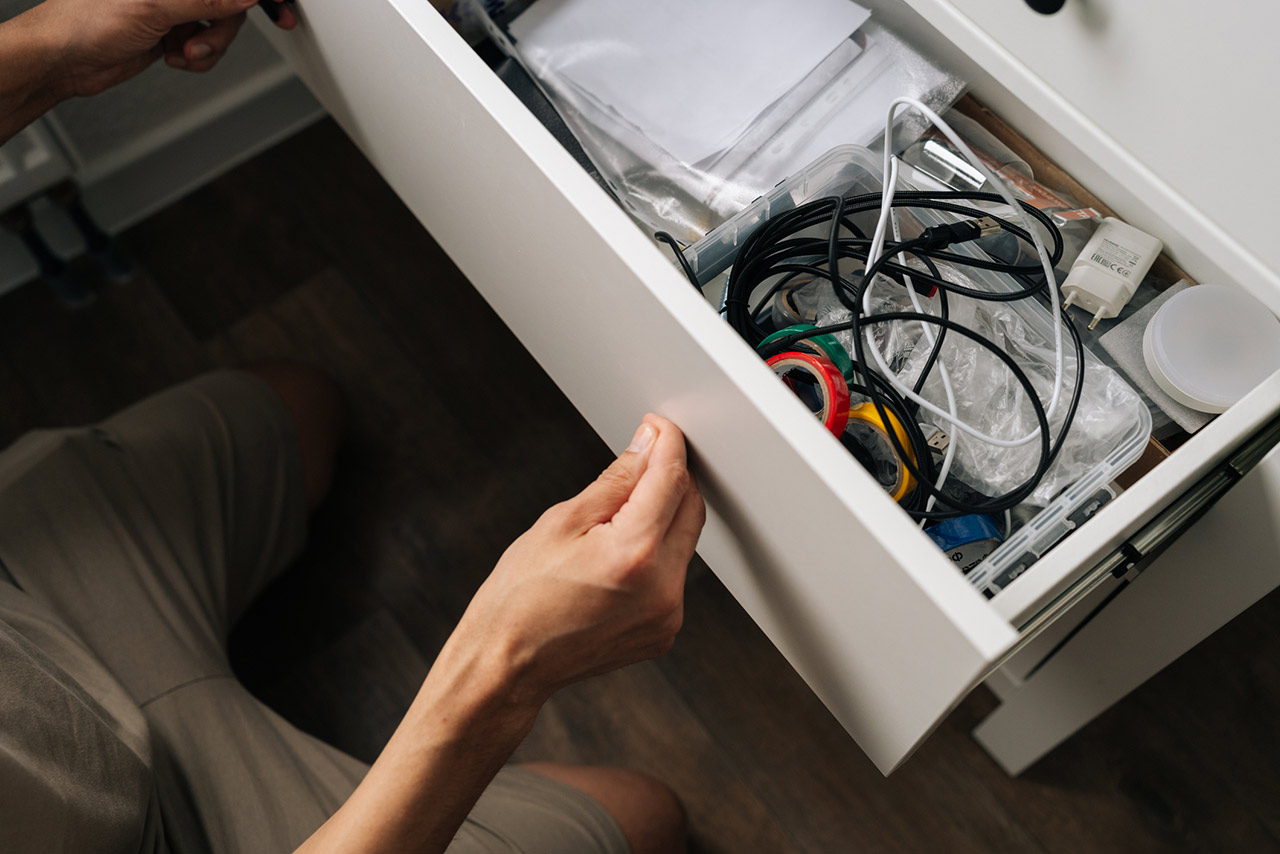
The ubiquitous junk drawer. We all have one! Often a spot where things go that we think we may need some time in the future. Here, a general purge is needed. Empty out the entire drawer. Group similar items together. Test writing implements, batteries and chargers. Duplicate items, one must go. Office stores have storage solutions like drawer dividers and small plastic boxes.
Wardrobe. Summer wear needs to go to make room for heavier knitwear, boots and coats. You need to have a rather brutal eye here. Before summer clothes get packed away, notice what you actually wore this summer. Anything that is not worn or no longer fits or is uncomfortable needs to be donated or sold. No reason to store it unused for another season. Do the same as you bring out warmer wear. It will help you notice if there are gaps in your wardrobe and it may make new purchases unnecessary.
Bedside tables. This is a spot that especially needs to be kept calm, as it’s the last thing you see at night and the first as you wake. Remove empty water glasses or bottles and books or magazines that you’ve finished. Keep away any work-related items, devices or paperwork. Your bedroom needs to be separate and a calm space, not a workspace. If your table has drawers, clean them out too. You can also purchase a bedside table that has charging inside the drawers so there is another way to put things out of the way.
The living room. Start with sideboards, coffee tables and areas around the couch. Recycle old papers and magazines. Find a good storage spot for remotes, chargers and other pieces of technology. Try to pare down some of the decorative objects that we all seem to accumulate. If something makes you happy, it has earned its space. Focus more on possessions that you don’t enjoy or even notice anymore. You are trying to give the things you love breathing space to be more appreciated!
Remember: you don’t need to do it all in a day. Choose a small area at a time. Think of how you can make each space work better for you. By the time the snow flies you will have a home that feels lighter and functions better. It’ll make you feel cozy and comfy!
Kathleen Weaver-Zech and Dean’s Team Chicago
https://www.deanteamchicago.com/wp-content/uploads/sites/84/2026/10/article-home-and-lifestyle-102726.jpg8541280adminhttps://deanteamchicago.com/wp-content/uploads/sites/84/2015/09/dean-moss-logo.pngadmin2026-10-27 13:06:532026-10-27 13:06:54Chicago Home and Lifestyles – 6 spots to declutter this fall
Walk into a beautiful home, and you’ll probably notice the obvious things first.
The gorgeous kitchen. The natural light. The perfectly arranged furniture. Maybe even that stunning view through the living room windows.
But have you ever walked into a home that wasn’t particularly fancy and immediately felt comfortable?
You couldn’t quite explain why. It just felt right.
That’s because a truly inviting home isn’t only about what you see. It’s about everything you experience.
And sometimes, the most meaningful home improvements are the ones you barely notice.
Sight: It’s About More Than Looking Beautiful
We all know that lighting, color, and furniture influence how a room looks. But what makes a space visually comfortable is often more subtle.
Consider the difference between a room filled with harsh overhead lighting and one with a combination of table lamps, natural light, and softer accents. The furniture hasn’t changed. The square footage is identical. Yet the entire atmosphere feels different.
Visual comfort also comes from balance. A room doesn’t need to be perfectly symmetrical or professionally decorated, but giving your eyes places to rest can make a surprising difference.
Try removing a few unnecessary accessories, introducing warmer lighting, or arranging furniture to highlight a favorite architectural feature.
Sometimes, creating a beautiful room is less about adding something new and more about allowing what’s already there to shine.
Sound: The Overlooked Ingredient in a Peaceful Home
Think about the last time you stayed in a hotel room that felt exceptionally relaxing.
Chances are, it wasn’t just the comfortable bed.
Maybe the room was wonderfully quiet. Maybe thick curtains softened the sounds outside. Perhaps you could barely hear footsteps from the hallway.
Sound has an enormous influence on how we experience a space, yet it’s rarely the first thing homeowners consider when decorating.
Hard surfaces such as tile, glass, and bare walls can make a room feel noisy or echoey. Adding rugs, upholstered furniture, curtains, and other soft materials helps absorb sound and create a more comfortable atmosphere.
Even the smaller sounds matter.
A squeaky door, rattling ceiling fan, or constantly humming appliance can become part of the background noise we stop consciously noticing.
Fixing those little annoyances might not make for an impressive before-and-after photograph, but it can make everyday living noticeably more pleasant.
Smell: The First Impression You Don’t See
Every home has a scent, whether we realize it or not.
Freshly brewed coffee. Clean laundry. A favorite candle. The unmistakable smell of dinner cooking in the kitchen.
These everyday aromas often become part of what makes a house feel familiar.
But creating a pleasant-smelling home doesn’t necessarily mean filling every room with fragrances.
In fact, the best approach usually begins with fresh air.
Opening windows when outdoor conditions allow, keeping fabrics clean, addressing moisture problems, and maintaining good ventilation can make a bigger difference than even the most expensive scented candle.
If you enjoy fragrance, a subtle touch is usually enough.
The goal isn’t for someone to walk through your front door and immediately identify your favorite room spray.
It’s for them to feel comfortable without giving the air a second thought.
Touch: Comfort Is in the Details
Imagine settling onto a sofa after a long day.
The cushions are comfortable. There’s a soft throw within reach. Your feet rest on a rug that feels good underfoot.
Nothing about that experience requires an extravagant budget, but every detail contributes to the feeling of being at home.
Texture is one of the simplest ways to introduce warmth and comfort into a space.
Smooth wood, natural linen, soft cotton, woven baskets, and plush upholstery can work together to create a room that feels layered and inviting.
Temperature matters, too.
A beautiful room that’s always too hot or too cold will rarely feel as welcoming as one that maintains a comfortable environment.
Even something as simple as replacing scratchy bedding, adding a comfortable chair, or adjusting a drafty window can improve how you experience your home.
The best spaces aren’t just designed to be admired.
They’re designed to be lived in.
Taste: The Sense That Brings People Together
Taste might seem like an unusual consideration when discussing home design.
After all, nobody is suggesting you sample the wallpaper.
But think about how many of your favorite memories at home involve food.
Pancakes on a Sunday morning. Pizza around the kitchen island. A holiday dinner that lasts well into the evening. An impromptu gathering where everyone somehow ends up in the kitchen.
Food has a remarkable ability to turn ordinary spaces into places where memories are made.
And creating those moments doesn’t require a gourmet kitchen.
A comfortable dining area, an inviting breakfast nook, or a small outdoor table can encourage people to slow down and enjoy time together.
Sometimes the most valuable feature in a home isn’t the impressive appliance package.
It’s having a place where everyone wants to gather.
The Real Secret? How Everything Works Together
Here’s where things get interesting.
A room might have beautiful furniture but terrible acoustics. A kitchen might look incredible but feel uncomfortable because of poor ventilation. A living room might be perfectly styled but lack the warmth that makes someone want to stay awhile.
The magic happens when the different elements work together.
Soft lighting complements comfortable textures. Fresh air makes a room feel inviting. Thoughtful furniture placement encourages conversation. A peaceful atmosphere helps everyone relax.
None of these improvements necessarily requires a major renovation.
In fact, many are surprisingly affordable.
And while some upgrades can improve a home’s market appeal, others deliver something equally meaningful: a better everyday experience for the people who live there.
A Different Way to Look at Your Home
Here’s a little experiment.
The next time you walk through your front door, pretend you’re visiting for the first time.
Instead of immediately noticing what needs painting or which furniture you’d like to replace, pay attention to your senses.
What do you hear? How does the air feel? Is the lighting comfortable? Are there spaces that naturally invite you to sit down and relax?
You might discover that your home already has more going for it than you realized.
Or you might identify a few small changes that could make a surprisingly big difference.
Because the best homes aren’t necessarily the biggest, newest, or most beautifully decorated.
They’re the ones that make you feel something wonderful the moment you walk inside.
https://www.deanteamchicago.com/wp-content/uploads/sites/84/2026/10/article-senses-featured-102526.jpg7201280adminhttps://deanteamchicago.com/wp-content/uploads/sites/84/2015/09/dean-moss-logo.pngadmin2026-10-25 14:32:382026-10-25 14:33:58The Invisible Upgrade: Why the Best Homes Appeal to All Five Senses
This weekend Chicago continues its Halloween Adventures – Part 2 with a variety of Halloween festivities for the whole family!
Celebrating Halloween as the “artist’s holiday” the 12th annual Arts in the Dark Halloween Parade takes place this Saturday (6 p.m.-8 p.m.). However, due to the growth of this parade it’s returning “home” to its original location along Columbus Drive, stepping off at Balbo Drive and marching north through Jackson Boulevard in the Loop. This magical evening procession is a family-friendly event featuring unique floats, spectacle puppets, and all forms of creative performance. In addition, food trucks will be parked along the east side of the parade route while vendors will be open along the west side for those arriving early. Also attendees are strongly encouraged to come dressed in costume to join in the spirit and creativity of the parade. Don’t miss your chance to experience this magical parade for an evening of colorful, family fun!
Spooktacular: Lincoln Park returns for a full weekend of trick-or-treating fun on Lincoln Avenue from Diversey to Webster (Saturday, 1 p.m.-4 p.m.) and Clark Street from Armitage to Diversey (Sunday, 1 p.m.-4 p.m.). Just dress up in your favorite costume to visit participating businesses that are transformed into trick-or-treat stops as they hand out treats, surprises, and plenty of spooky fun. In addition, visit the Lincoln Common Plaza (2335 N. Lincoln Ave.) on Saturday for more treats, a photo booth, caricatures, face painting, and more. It’s a great way to have a haunted good time and collect lots of treats!
HI-CHEW® The Mystery Manor Tour will be in Chicago this Saturday (12 p.m.-8 p.m.) at Navy Pier (600 E. Grand Ave.) in the Streeterville neighborhood as it celebrates Halloween with a trunk-or-treat experience. This tour is an immersive mobile experience featuring a candy-colored haunted mansion built on a truck with a spooky themed environment; an interactive graveyard; an appearance by the brand’s mascot Chewbie dressed as Frankenstein’s monster; and more. Delight in a day of spooky surprises, unexpected twists, and flavorful discoveries!
Back by popular demand for its second year is the Gompers Park Ghoulfest this Saturday (2 p.m.-5 p.m.) at 5060 North Pulaski Road in the Albany Park neighborhood. This event kicks off with family-friendly fall and Halloween activities before the kids’ Halloween costume parade led by a magical stilt walker begins at 2:30 p.m. Afterwards, it’s time for trunk-or-treat in the Keeler parking lot with free treat bags included; an on-site pumpkin patch with a decorating station; a spooky story time in the nature play space; and more. And don’t miss the finale at 4:30 p.m. with a special performance by the Jesse White Tumblers!
This Sunday (11 a.m.-1 p.m.) the business districts of the Lincoln Square and Ravenswood neighborhoods transform into Lincoln Scared & Ravenswoooood so costumed children can visit local participating businesses to collect sweet treats. They can also participate in another fun activity of pumpkin decorating hosted by Concordia Place directly in front of The Perfect Cup (4700 N. Damen Ave.) while pumpkins and a variety of decorating supplies last.
Returning for its 5th year, the Wag-O-Ween: Halloween Dog Party & Market takes place this Sunday (12 p.m.-4 p.m.) at Bosley’s Backyard (4011 N. Ravenswood Ave.) in the Ravenswood neighborhood. Treat your pups to a special day just for them with an afternoon of trick-or-treating for plenty of treats and surprises; let your dog create its very own Pup-Picasso Masterpiece; get a custom one-of-kind watercolor portrait of your pup or a custom photo magnet; treat your pup to a relaxing canine massage; enter your pup in the costume contest for a chance to win some fabulous prizes; browse a lineup of 20+ local small businesses featuring treats, apparel, accessories, pet services, and more that also include event-only specials and giveaways; and more. And more importantly, costumes are “highly encouraged” for both your pup and you!
Sue Moss and Dean’s Team Chicago
https://www.deanteamchicago.com/wp-content/uploads/sites/84/2026/10/article-weekend-102326.jpg10901280adminhttps://deanteamchicago.com/wp-content/uploads/sites/84/2015/09/dean-moss-logo.pngadmin2026-10-23 13:02:532026-10-23 13:02:55THIS WEEKEND IN CHICAGO – Halloween Adventures – Part 2!
As a third-generation Swede, it’s been my pleasure to explore areas of Chicago celebrating my heritage. While most people know the Andersonville community as “the Swedish community,” it’s North Park, on the Northwest Side of the city, that we most often visit.
Why? Better parking, honestly, for our annual trip to Tre Kroner. Secondly, for the many options for shopping, which always includes a trip to the Sweden Shop down the street.
Where is North Park?
According to Wikipedia sources, North Park is bordered by the North Shore Channel on the east, the Chicago River’s North Branch and Foster Avenue on the south, and reaches as far as Cicero Avenue on the west and Devon Avenue on the north. To its north is the Chicago city limit and the suburb of Lincolnwood.
The area also hosts a local Yeshiva, the Felician Sisters headquarters, and nearby WTTW public television studios.
History
In the late 1800s, Swedish immigrants settled in the area, then known as Jefferson Township and not a part of Chicago. Nursery owner Pehr Samuel Petersen (1830-1903)a Swedish-American immigrant, provided local land and trees.
The neighborhood grew around its Swedish immigrant roots, and later became an enclave for Orthodox Jews as well. The territory was officially annexed into the City of Chicago in 1889.
North Park University relocated from Minneapolis to the neighborhood in 1894, completing its iconic Old Main building whose cupola, interestingly, long served as a landmark for aviators.
Many decades later, Northeastern Illinois University opened its campus in the western part of the neighborhood in 1961.
From Tuberculosis Sanitarium to North Park Village
In 1915, the city built the massive 160-acre Municipal Tuberculosis Sanitarium (MTS,) designed by architect Ossian Simonds as a healing “country-like” retreat, on land donated by Pehr Peterson. Chicago Public Library blogs recall that at the time, fresh air and open space were considered important factors for treating tuberculosis, so the land was well-suited to its new use.
By the 1970s, medical advances meant that declining numbers of people needed to visit sanitariums for treatment, and the MTS closed at the end of 1974.
Shortly before that, in November 1973, developer Harry Chaddick proposed converting the MTS site to a shopping complex and high rise apartments. This plan was strongly opposed by many area residents and local groups, including the North River Commission, an umbrella organization for local community groups that was founded in 1962. With the support of the North River Commission and other local groups, the North River Coalition to Save the MTS Site was created.
These neighborhood activists blocked high-rise commercial development. The grounds became North Park Village, featuring senior housing, park facilities, a gymnastics center, and a 46-acre nature center.
Today
Those grounds are also home to the Peterson Park Fieldhouse, named for Peterson, which was originally built as the Laboratory Building of the Municipal Tuberculosis Sanitarium.
A groundbreaking for Pehr Peterson Park was held in 1977 on the former MTS grounds, and the area was officially given the name North Park Village in February 1979. In the next decade, two senior housing complexes and a health center opened, programs and events were held at the Nature Center, and plans began to renovate the MTS theater building.
While keeping traces of its Nordic roots, the commercial strips along Foster Avenue and surrounding blocks reflect a diverse global community with Middle Eastern, South Asian, East Asian, and Latin American influences. And the stretch of Foster Avenue bordering North Park University is dotted with bustling international restaurants — try hard-to-find specialties from Vietnam, India, the Philippines, Mexico, Korea, the Middle East, and beyond.
And as Choose Chicago notes, one of the most fascinating spots in North Park is the Bohemian National Cemetery. The sprawling Czech cemetery, a historic landmark, is known for its elaborate entrance gates, unique grave markers, and fascinating history.
Alison Moran-Powers and Dean’s Team Chicago
https://www.deanteamchicago.com/wp-content/uploads/sites/84/2026/10/article-neighborhood-102226.jpg8541280adminhttps://deanteamchicago.com/wp-content/uploads/sites/84/2015/09/dean-moss-logo.pngadmin2026-10-22 15:29:492026-10-22 15:29:50Neighborhood News: North Park, the “other Swedish community,” and so much more!
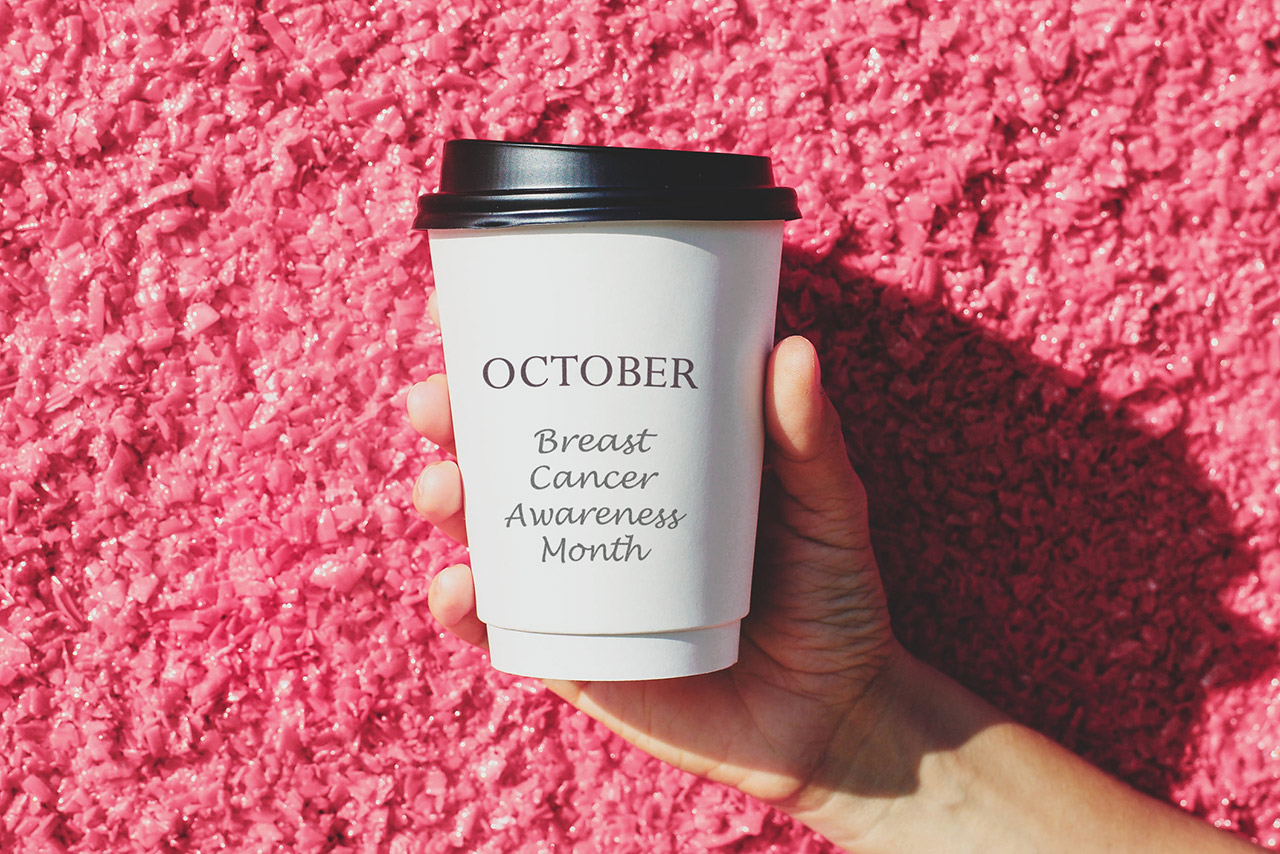
Every October, the world, and specifically Chicago, supports Breast Cancer Awareness Month. Pink ribbons fly everywhere, drawing attention to the many thousands of lives that have been (or will be) affected by breast cancer.
This support is very much needed. The National Cancer Institute estimates about 321,910 women in the U.S. will be diagnosed with breast cancer in 2026. About 2,760 men will also be diagnosed.
Throughout the month, Chicago’s benevolent restaurant community gathers together to support local organizations dedicated to the prevention, treatment and education around the disease.
Why? Because, as the World Health Organization (WHO) declares, “Every story is unique, every journey matters.”
In honor of Breast Cancer Awareness Month, Dean’s Team Chicago has compiled a list of Chicago restaurants raising funds this month to support local organizations. Some of these restaurants include:
Beatrix: Available at all locations throughout October, $1 from every raspberry-flavored Pink on The River Cookie will be donated to The Pink Agenda and $1 from every Pink Ribbon Cookie sold will be donated to the Lynn Sage Breast Cancer Foundation.
Chicago locations include:
River North: 519 N. Clark Street
Streeterville: 671 N. St. Clair Street
Fulton Market: 834 W. Fulton Market, Suite 100
Loop: 155 N. Wacker Drive
Pink on The River Cookies can also be found at another Lettuce Entertain You venue, Streeterville’s The Cookie Bar at Summer House,161 E. Huron Street.
$1 from every raspberry cookie sold will be donated to the Pink Agenda – supporting the fight against breast cancer.
“Cupcakes for a Cause” at all Goddess & Grocer locations and catering.
The “Boobs!”
Each cupcake set features four breast-like cupcakes made in skin-tone shades representing every culture. Two dollars from every pair sold benefits Equal Hope.
Chicago locations:
Bucktown: 1649 N. Damen Avenue
Fulton Market: 911 W. Randolph Street
Gold Coast: 845 N. State Street
O’Hare Terminal 5: International Terminal 5, 10000 W. Balmoral Avenue
In Lincoln Park, order the Think Pink Punch Sangria at Cafe Baba-Reeba! 2024 N. Halsted Street, and River North’s Lil Baba-Reeba, 441 N. Clark Street. ThroughFriday, October 31, a portion of the proceeds from every pitcher and half-pitcher supports the Lynn Sage Breast Cancer Foundation.
River North’s RPM Seafood, 317 N. Clark Street, is donating $1 from each sale of their Yellowfin Tuna Crispy Rice to The Pink Agenda.
RPM’s sister restaurants, at RPM Steak, 66 W. Kinzie Street,a portion of the proceeds from their 6-oz. Hand-Cut Creekstone Filetwill benefit The Pink Agenda, along with RPM Italian, 52 W. Illinois Street, whereMama DePandi’s Bucatini, with pomodoro and Genovese basil, will also benefit The Pink Agenda.
In the Loop, Cindy’s Rooftop,atop the Chicago Athletic Association, 12 S. Michigan Avenue, is donating $1 from every half or full dozen East Coast Oysters to the American Cancer Society.
They’re served with seasonal mignonette, Tabasco and cocktail sauce and priced at $25 for a half dozen or $50 for a dozen, per Do312.com.
At River North’s Barrio, 65 W. Kinzie Street, $1 from each order of Carnitas Fried Rice with crispy pork carnitas, fried egg, and adobo sauce, will be donated to Lynn Sage for Breast Cancer Awareness throughout the month of October.
Another River North hotspot, TAO Chicago, 632 N. Dearborn Street, will donate 10% of sales of select menu items to the American Cancer Society Making Strides Walk.The two-tier fine dining restaurant/nightclub doesn’t specify which items benefit the charity, so ask your server. Could it be the Barbecued Duck Fried Rice, with sundried tomatoes, kaffir lime, and mint? Or maybe, the Drunken Lobster Pad Thaiwithbrandy andcashews? Again, ask your server!
Alison Moran-Powers and Dean’s Team Chicago
https://www.deanteamchicago.com/wp-content/uploads/sites/84/2026/10/article-review-102126.jpg8541280adminhttps://deanteamchicago.com/wp-content/uploads/sites/84/2015/09/dean-moss-logo.pngadmin2026-10-21 13:02:372026-10-21 13:02:38Restaurant Review: Chicago Restaurants support Breast Cancer Awareness Month with special treats, donations
Many of us have been told by our doctors that our cholesterol is a bit high, or might have even been put on cholesterol lowering medication. Our cholesterol number is made up of two kinds: HDL, the good cholesterol, and LDL which is bad. Plaque can build up in your heart’s arteries and cause heart disease if your LDL level is too high. Here are some ways to get your cholesterol in a healthier range:
Practice portion control. Portion sizes have gotten out of proportion especially when we eat out. There are a few easy ways to tell a true portion:
One serving of meat or fish is about the size of your palm.
Fresh fruit portions are the size of your fist. Cooked vegetables, pasta or rice are the same.
Use this “handy” way to portion out your food, especially saturated fat foods to lower your calorie intake and cholesterol.
Load your plate with fruits and vegetables(especially vegetables). Five to nine servings every day can bring down your LDL. The antioxidants and fiber help do this. Filling up on produce will tend to keep you away from fatty snacks too. It also helps with your weight and blood pressure.
Start your day with some whole grains like oatmeal and fruit. These fill you up with slow burning fiber that will keep you satiated till lunch. The fiber lowers that LDL. Add more whole grains later in the day with barley, wild or brown rice and popcorn. Add beans to your diet as well for more fiber that doesn’t spike your blood sugar.
Include fish twice a week that is high in omega-3s. That includes salmon, trout, tuna and sardines. They lower triglycerides in the blood along with slowing growth of plaque in your arteries. This fish is a great source of protein, but don’t fry it! Bake, grill, broil or roast for a healthier meal.
Make your snacks healthy. We all need a snack, especially in the afternoon when energy is flagging. Nuts are a good choice. They are high in monounsaturated fat that lowers LDL but leaves HDL alone. Watch your portion size though! An ounce is plenty. Keep away from overly salted nuts or those covered in sugar or chocolate.
Watch which kind of fats are in your diet. Everyone needs some fat in their diet. The best type is unsaturated, like olive and safflower oils. They lower LDL while raising HDL. Saturated fats like in meat and full fat dairy raise LDL, so limit them. But good fats have just as many calories so be mindful of portions.
Exercise regularly. Did you know just 30 minutes of physical activity 5 days a week can lower your LDL and raise your HDL levels? More is even better. Keeping a healthy weight cuts your chance of developing clogged arteries. Brisk walking is great along with dancing, hiking and walking the dog. Do as much as you can as many days as you can!
Following these guidelines will help get your cholesterol levels in a healthier range and make your whole body healthier in the long run.
Kathleen Weaver-Zech and Dean’s Team Chicago
https://www.deanteamchicago.com/wp-content/uploads/sites/84/2026/10/article-home-and-lifestyle-102026.jpg8001280adminhttps://deanteamchicago.com/wp-content/uploads/sites/84/2015/09/dean-moss-logo.pngadmin2026-10-20 13:03:392026-10-20 13:03:40Chicago Home and Lifestyles – 7 simple ways to lower your cholesterol
What if your next home didn’t just give you a place to live, but gave you the space to become someone new?
Maybe you’ve always wanted to learn how to paint. Maybe you’ve saved dozens of gardening videos without ever planting anything. Or perhaps you’ve imagined having a little corner of the house where you could read, practice guitar, make pottery, or finally start that side project you’ve been putting off.
We all have things we’d love to try if only we had the time, the space, or the right environment.
When searching for a new home, it’s easy to focus on the obvious things: the number of bedrooms, the size of the kitchen, the location, and the price. But there’s another question worth asking along the way.
Could this home make room for a part of your life you’ve been wanting to explore?
Welcome to the idea of the hobby home.
What Is a Hobby Home?
A hobby home isn’t necessarily a house with a dedicated art studio, a sprawling workshop, or a professionally equipped gym. It’s any home that makes it easier to enjoy the activities you love—or discover something new.
It might be a small apartment with a sunny windowsill perfect for growing herbs. It could be a house with an unfinished basement that eventually becomes a woodworking space. Or it might simply have a quiet corner where you can sit down with a book without feeling distracted by everything else around you.
The idea is simple: your home can support more than your daily responsibilities. It can also support your curiosity.
And that doesn’t mean you need more square footage. Sometimes, the right layout, a little flexibility, and a place to leave your supplies between sessions are all you need to get started.
Imagine the Hobbies You’ve Always Wanted to Try
Think about the activities you’ve admired from a distance. What would happen if your next home made one of them easier to pursue?
1. The Home Gardener
You’ve always loved the idea of growing your own vegetables, keeping fresh herbs in the kitchen, or filling your outdoor space with flowers.
A home with a sunny patio, balcony, suitable windowsill, or usable yard could help turn that idea into a regular habit.
You don’t need acres of land to become a gardener. A few containers of basil, mint, or cherry tomatoes can be a perfectly good beginning.
When viewing a property, consider how much sunlight different areas receive, whether there’s convenient access to water, and how much time you’ll realistically want to spend maintaining the space.
Your future garden might be smaller than you imagined—but that doesn’t mean it can’t be rewarding.
2. The Creative Maker
Maybe you’ve always wanted to paint, draw, sew, build furniture, or try another hands-on craft.
The challenge isn’t always finding inspiration. It’s finding somewhere to work without having to pack everything away after every session.
A spare room can be useful, but so can a desk near a window, a section of the dining room, or a corner that accommodates a compact storage cabinet.
Think about the practical details, too. Will you need good lighting? Extra outlets? Surfaces that are easy to clean? Ventilation for particular materials?
A home that accommodates your creative process can make it easier to turn an occasional experiment into a satisfying routine.
3. The Home Chef
Perhaps cooking has always felt more like a necessity than a hobby. But you’ve been curious about making fresh pasta, baking sourdough, exploring new cuisines, or learning how to prepare elaborate meals for friends.
The right kitchen can make those experiences more enjoyable.
You might appreciate generous preparation space, accessible storage, room for a small collection of cooking equipment, or a layout that lets you work comfortably with another person.
Still, a dream kitchen doesn’t have to be enormous or brand-new. Before deciding what matters most, consider how you actually cook and what would make you want to spend more time doing it.
Sometimes, the best upgrade isn’t a bigger kitchen. It’s a more practical one.
4. The Fitness Enthusiast
You’ve promised yourself that this is the year you’ll stretch more, practice yoga, lift weights, or finally establish a consistent workout routine.
A home doesn’t need a dedicated fitness room to support those goals.
An open area where you can roll out a mat, a spare corner for adjustable weights, or a convenient place to store exercise equipment may be enough.
When considering a property, pay attention to floor space, ventilation, flooring, noise, and how easily the activity could fit into your daily schedule.
The most useful workout space isn’t necessarily the most impressive one. It’s the one you’ll actually use.
5. The Lifelong Learner
Not every hobby requires equipment or a large amount of room.
Maybe you’d love to learn a language, study photography, read more books, practice an instrument, or take an online course.
A quiet corner with a comfortable chair, a small desk, good lighting, and a little separation from everyday distractions could make a meaningful difference.
Imagine ending the workday, sitting down in that space, and spending half an hour doing something simply because you’re interested in it.
That’s one of the overlooked pleasures a home can offer: somewhere to follow your curiosity without needing a special occasion.
You Don’t Need a Spare Room to Start Something New
It’s tempting to imagine that a new hobby requires an entirely new room. But waiting for the perfect space can become another reason not to begin.
A small apartment can accommodate a thriving collection of houseplants. A kitchen table can double as a place for drawing or puzzles. A bookshelf can hold a growing collection of photography books. A corner of the living room can become a stretching area.
The key is to look for flexibility rather than perfection.
As you tour homes, ask yourself:
Is there an area I could adapt without major renovations?
Could I store hobby supplies somewhere convenient?
Is there enough light, ventilation, or privacy for the activities I enjoy?
Would this space still work if my interests changed?
Can I create a dedicated area without sacrificing something more important?
These questions can help you see possibilities that might not be obvious in a staged listing.
And remember, you don’t have to turn every spare inch into a productive space. Sometimes, a comfortable home is one that gives you permission to slow down.
Choose a Home for the Life You Want to Live
When imagining your future home, it’s natural to think about what you need today. You might need a home office, room for a growing household, a shorter commute, or a more manageable monthly payment.
Those considerations matter.
But it can also be worthwhile to think about the experiences you’d like to make room for over the next few years.
Perhaps you want to spend more time outdoors. Maybe you’d like to host casual dinner parties, learn to make things with your hands, or finally explore an interest you’ve been postponing.
You don’t need to predict every future version of yourself. Instead, look for a home that offers a little room to adapt.
A flexible room, a usable outdoor area, convenient storage, or a comfortable nook might become more valuable to you than a feature that looks impressive but rarely gets used.
The goal isn’t to buy a house for a hypothetical lifestyle you’ll never have time to enjoy. It’s to recognize the activities you genuinely want to pursue and consider whether a particular home makes them more accessible.
A Simple Exercise: Design Your Hobby Home
Before your next home search, take a few minutes to imagine what your everyday life could look like.
Step 1: List three hobbies you’d like to try.
Don’t worry about whether they seem practical yet. Write down the things that genuinely interest you.
Step 2: Identify what each hobby needs.
A gardener might need sunlight and water access. A painter might need a work surface and storage. A reader might simply want a comfortable chair and good light.
Step 3: Separate the essentials from the nice-to-haves.
You may not need a dedicated room. Look for the smallest practical setup that would let you begin.
Step 4: Consider your real routine.
Would you use the space before work, in the evenings, or on weekends? Would it need to be quiet, easy to clean, or accessible without much setup?
Step 5: Add one lifestyle question to every home tour.
Alongside your practical checklist, ask: What could I start doing here that I don’t do today?
You might discover that a home has more potential than you initially realized. Or you might realize that a beautiful feature isn’t as important to you as having room for something you love.
Either way, you’ll have a clearer idea of what makes a property feel right for you.
The Best Home Might Be the One That Inspires You
A home is where you sleep, work, eat, and take care of everyday responsibilities. But it’s also where small interests can become meaningful parts of your life.
It’s where a few pots of herbs might turn into a love of gardening. Where a borrowed guitar might become a lasting hobby. Where a quiet corner might help you rediscover reading, creativity, or the simple pleasure of learning something new.
You don’t need a perfect house, an elaborate renovation, or a room dedicated to every interest.
You just need a space that works for the life you have—and leaves a little room for the life you’re still discovering.
So, as you think about your next home, look beyond the listing photos and the floor plan. Imagine an ordinary Tuesday evening. Picture a free Saturday morning. Think about the things you might do if getting started felt a little easier.
Your next home doesn’t have to come with a new passion. But it might be the place where one begins.
What Would Your Hobby Home Look Like?
If you could design one small space in your next home around a hobby, what would you choose? A sunny gardening nook, a creative studio, a cozy reading corner, or something entirely different?
Whatever your answer, it’s worth keeping in mind as you explore your options.
After all, finding a home isn’t only about choosing where you’ll live. It’s also about imagining everything you might do once you get there.
https://www.deanteamchicago.com/wp-content/uploads/sites/84/2026/10/article-hobby-featured-101826.jpg7201280adminhttps://deanteamchicago.com/wp-content/uploads/sites/84/2015/09/dean-moss-logo.pngadmin2026-10-19 00:37:202026-10-19 00:38:43The Hobby Home: What If Your Next House Helped You Discover a New Passion?
We’re getting serious here in Chicago this weekend. It’s time to enjoy all the events this city has to offer before the big day itself arrives. Come out and play as our Halloween adventures begin!
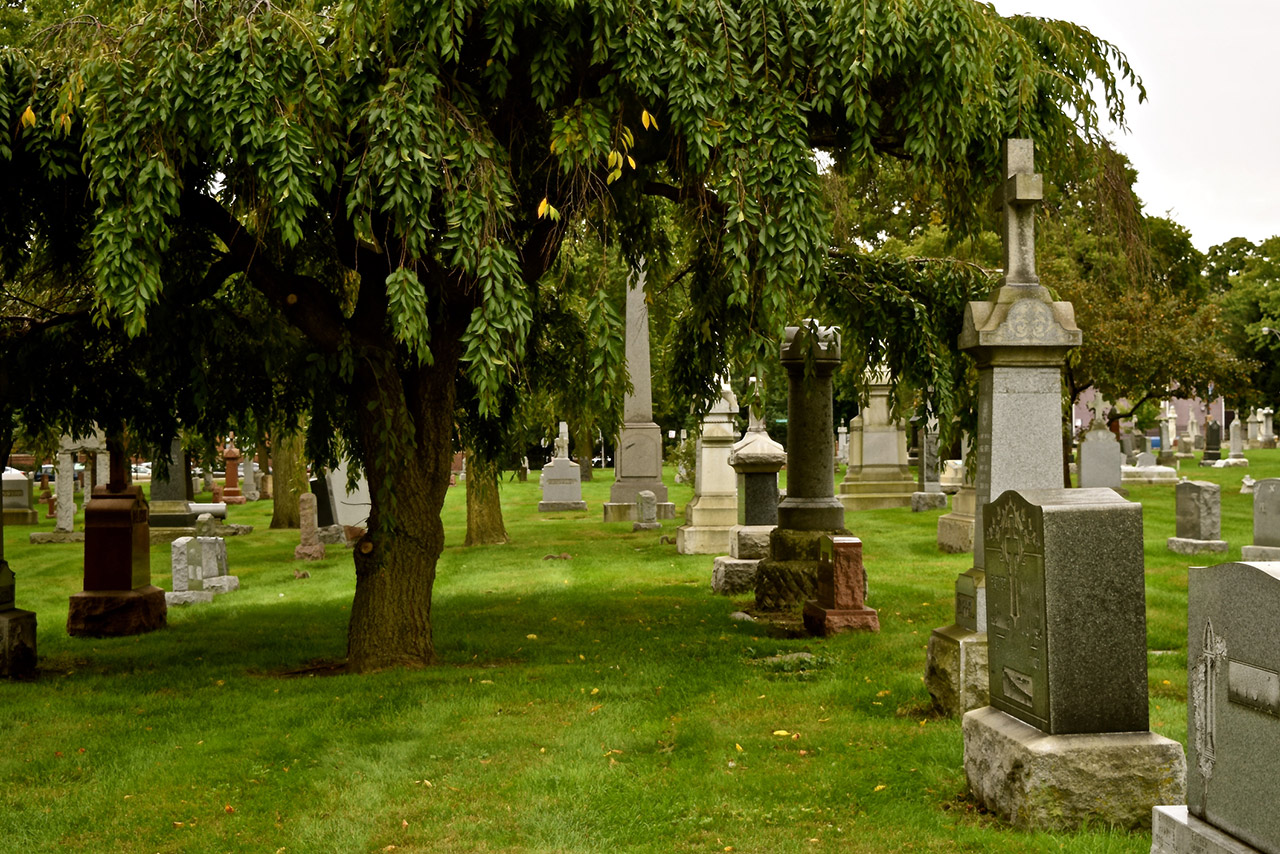
It’s that time again for fall’s most spirited event! Taking place on the historic grounds of Chicago’s largest cemetery is the 13th annual Rosehill Cemetary ‘Crypt’ 5K Run/Walk this Saturday (7 p.m.) located at 5800 North Ravenswood Avenue in the Lincoln Square neighborhood. Runners and walkers decked out in their finest Halloween costumes will make their way through a candlelight-lit path casting eerie glows as they wind past Victorian-era monuments, statues, mausoleums, and intricate headstones. And, if you’re lucky enough to make your way out, there’s a post-race celebration being held at the Fireside Restaurant & Tavern which is right across the street from the cemetery. Enjoy your thrilling nighttime adventure!
Are you ready to take an ominous adventure? If so, Watson Adventures invites you to their Fright at the Art Museum Scavenger Hunt this Saturday (2 p.m.-4 p.m.) at the Art Institute of Chicago (111 S. Michigan Ave.) in the Loop. This unique scavenger hunt for adults only takes teams on a spooky tour to solve tricky and humorous questions as they discover the dark side of artists from their morbid masterpieces, at their own peril, while searching for horrifying devices, cold-blooded killers, severed heads, hideous monsters, skulls and skeletons, and other assorted ghouls throughout the galleries. It’s a great way to celebrate the season, that is, if you have the nerve to do so!
Bringing it down a notch, families can celebrate Slightly Spooky October on the remaining Saturdays of October at Navy Pier (600 E. Grand Ave.) in the Streeterville neighborhood. Make it a fun day at this free event with spooky activities, games, crafts, and more. Plus, the following free movies will be shown in Crystal Gardens (bring a blanket or chair for comfort): Hotel Transylvania (5:30 p.m.) and Beetlejuice (8 p.m.) on October 17, and WALL-E and Scream on October 24. In addition, food and snacks are available from the Pier’s shops and restaurants.
Calling all pet parents who anxiously await to dress their furry, four-pawed family members every Halloween. The wait is over! Setting sail on the third and fourth weekends of October is the return of the Howl-O-Ween Canine Cruise on Chicago’s First Lady Cruises (112 E. Wacker Dr.) in the Loop. Gather up your costumed pup (as well as your costumed self) for a 90-minute lake and river cruise to enjoy a narrated journey complete with pumpkin-flavored dog treats and a canine costume contest. Costume contest winners will be entered to win the Grand Prize of a $1,000 check made out to a canine organization in the winner’s name!
Bringing spooky, festive vibes to the heart of Chicago’s Roscoe Village neighborhood this Sunday (12 p.m.-6 p.m.) is the Roscoe Village Halloween Block Party on Roscoe Street between Damen and Hoyne Avenues. This all-ages event turns the block into a Halloween haven featuring family-oriented and Halloween-themed activities such as trick-or-treating with local businesses, photo ops, kids’ crafts, a costume parade, and other seasonal surprises; an on-site drink tent and local neighborhood food options; live music; expanded vendor booths; a NEW Kids Zone with inflatables & games, and more. In addition, attendees are encouraged to wear their favorite Halloween costume. There’s plenty of Halloween spirit for all to enjoy!
The spooky season also brings us Fright at the Field this Sunday through November 1 at The Field Museum (1400 S. DuSable Lake Shore Dr.) in the South Loop. Get ready to experience the return of Underground MISAdventure with Zombie Fungus and a new spooky takeover of Plants of the World decked out as a spooky Halloween Harvest Maze. In addition, explore the Museum to find seven-creepy specimens in the Chompy’s Secret Lair challenge to win a special prize. With plenty of scientific thrills and spooky chills – Enter if you Dare!
Sue Moss and Dean’s Team Chicago
https://www.deanteamchicago.com/wp-content/uploads/sites/84/2026/10/article-weekend-101626.jpg8541280adminhttps://deanteamchicago.com/wp-content/uploads/sites/84/2015/09/dean-moss-logo.pngadmin2026-10-16 12:12:352026-10-16 12:12:36THIS WEEKEND IN CHICAGO – Let the Halloween Adventures Begin!
In between two larger-than-life Puerto Rican flags along Division Street is one of Chicago’s most vibrant Puerto Rican communities, per Midstory:Paseo Boricua, or “the Puerto Rican promenade” is described as a “pedacito de patria,” or small piece of the homeland.
Further, in Spanish-speaking countries, el paseo also refers to “the cultural tradition of an evening social walk where people gather in town squares to see and be seen.”
Housed in an old church, PRCC oversees some outstanding programs and projects, including a resource center for homeless LGBTQ youth, an alternative high school, bilingual daycare, and Chicago’s oldest Puerto Rican mural, La Crucifixion de Don Pedro.
They’re also the brains behind La Casita de Don Pedro, a park designed to resemble the Puerto Rican flag from above.
As much a community resource center as a cultural institution, PRCC’s multiple programs also include:
A young women’s literacy program
A community library and information center
An HIV and STD education and prevention program
An obesity prevention program
PRCC also sponsors three major annual events:
The Midwest’s largest Latino musical festival.. Fiesta Boricua (“De Bandera a Bandera”)
A community parade (Puerto Rican People’s Day Parade)
A haunted community strip ( HAUNTED PASEO BOO-RICUA!)
These programs are an integral part of Chicago’s Humboldt Park, Logan Square, and Hermosa Park communities.
The Puerto Rican Cultural Center serves as a hub for promoting the cultural identity and community needs of Puerto Ricans and other Latinx individuals.
In the Beginning…
According to WTTW, there were two riots that started the community on its current path to social justice and celebrating culture: the first in 1966 and the second in 1977.
The community was responding to police brutality and historic neighborhood disinvestment.
José López, executive director of the Puerto Rican Cultural Center, witnessed the June 12, 1966 riot.
He saw people walking back into the community from the downtown Puerto Rican Day parade when he noticed an altercation across the street at a bar.
When police arrived, López said, he saw one of the young men run into an alley where the police chased and shot him.
“The people picked him up and literally carried him to St. Mary’s Hospital,” López told WTTW. “In the process, it was like, like lightning struck, or like a wildfire.”
Eleven years later, on June 4, 1977, while superficial changes had been made allowing Puerto Ricans to hold positions in office and in the Chicago Police Department, the root causes of disinvestment and police brutality remained the same. While the riot in 1977 was shorter, the political consequences paved the way for the creation of organizations and institutions like the Young Lords, the Dr. Pedro Albizu Campos Puerto Rican High School and PRCC.
The PRCC was founded in 1972 and named after Juan Antonio Corretjer, the celebrated Puerto Rican national poet laureate and one of the most significant political theorists of the 20th century.
Contributions to the Community
PRCC has been instrumental in the creation of Paseo Boricua, the economic, political, and cultural hub of the Puerto Rican community in the Midwest.
PRCC also encapsulates the historical efforts to resist gentrification through efforts such as the establishment of Puerto Rico Town, by promoting the principles of self-actualization, self-determination, and self-reliance for the Puerto Rican/Latino community through the study, recovery, and celebration of Puerto Rican culture.
Recognized through Hispanic Heritage Month
Hispanic Heritage Month is celebrated each year from September 15 to October 15.
This date marks the independence anniversaries of Costa Rica, El Salvador, Guatemala, Honduras, and Nicaragua. Mexico celebrates its independence on September 16, and Chile celebrates on September 18.
It started as Hispanic Heritage Week under President Lyndon B. Johnson in 1968 and was expanded to a 30-day observance by President Ronald Reagan in 1988.
Note: Puerto Rico is recognized in the United States as an unincorporated, organized U.S. territory and a commonwealth. Its citizens are recognized as US citizens.
October Event: Spooky PASEO!
On Halloween, (Saturday, October 31,) PRCC is turning Division Street turns into HAUNTED PASEO BOO-RICUA! 👻
From California to Western Avenues, they’re celebrating the 25th anniversary of this beloved, spooky tradition on Division Street from 3pm-6pm.
As they say on their Facebook page, they’re “Older, wiser, and more wicked than ever, they’re bringing treats, music, games, and much more to Barrio Borikén!”
https://www.deanteamchicago.com/wp-content/uploads/sites/84/2026/10/article-neighborhood-101526.jpg8541280adminhttps://deanteamchicago.com/wp-content/uploads/sites/84/2015/09/dean-moss-logo.pngadmin2026-10-15 12:35:122026-10-15 12:35:14Neighborhood News: Celebrating the end of Hispanic Heritage Month at Humboldt Park’s Puerto Rican Cultural Center
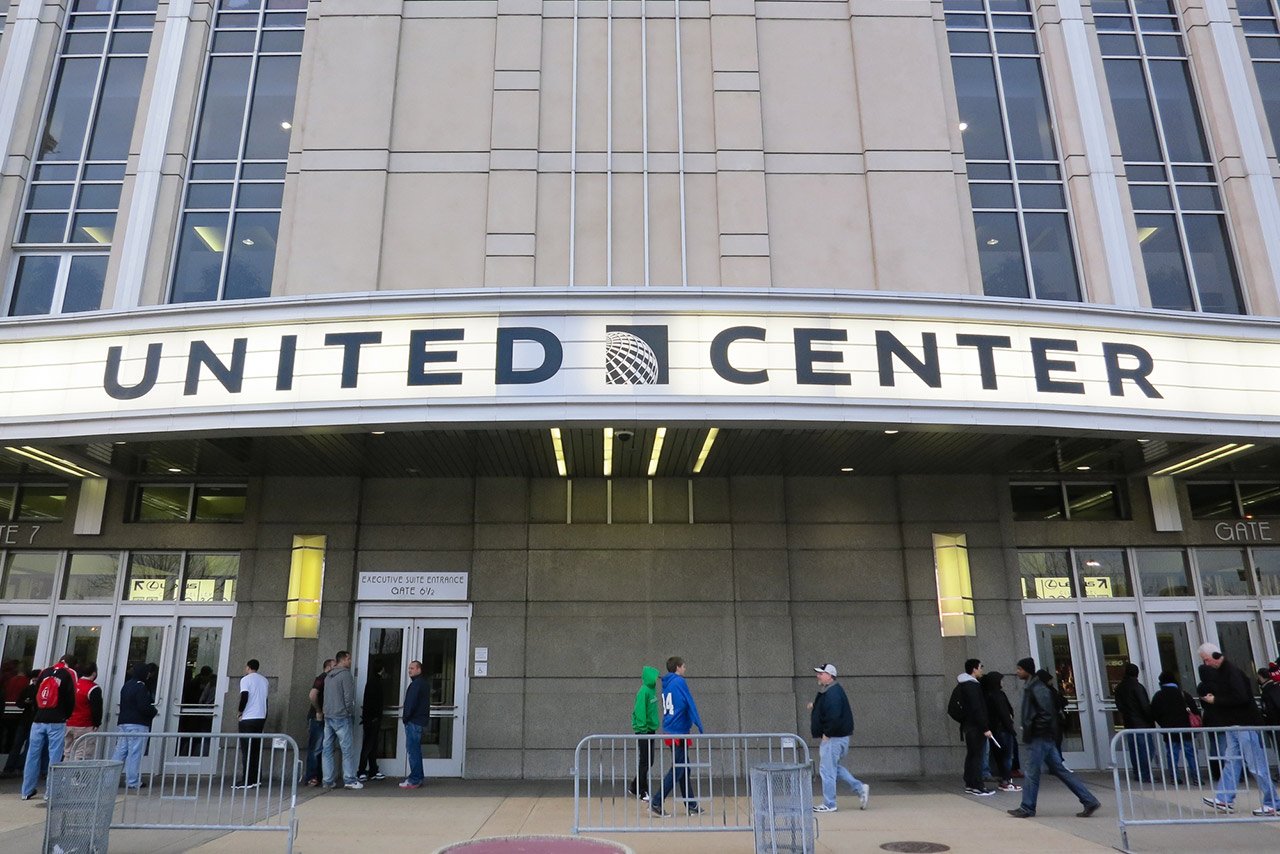
As our storied basketball and hockey franchises begin their 2026-27 campaigns, Chicago’s United Center, 1901 W. Madison Street, offers much more than hot dogs, pizza and hamburgers to keep you going during games this season! Follow the United Center link above for a complete list of food offerings.
For the 2026–27 season, the United Center rolled out a major food and beverage expansion in partnership with Levy Restaurants, featuring new Chicago-inspired staples, seafood dishes, and craft cocktails.
Take, for example, their new partnership with Chicago’s own Buona Beef, with their signature takes on Chicago favorites like Italian Beef, Italian Sausage,Combo sandwiches, and Chicago’s own Original Rainbow Cone.
On a personal note, I always get my Italian Beef baptized. (if you know, you know!)Settle for no less… And use a knife and fork for maximum neatness.
Another Buona Beef favorite in our family is the Combo, which sports a juicy, grilled Italian sausage along with the Italian Beef.
Other new items at the United Center include:
Arancini Beef Bites: Crispy fried risotto balls stuffed with Italian beef, melted mozzarella, and giardiniera, served with marinara.
Hokkaido Scallops, Crab Cakes, and a Tuna Cobb salad.
Beef on Weck and Lasagna Rotolo inside the Ketel One Club.
House-smoked ribs, served with slaw and fries.
Wagyu meatballs at Queenie’s Supper Club.
Raspberry bars from Mindy’s Bakery.
Food by United Center Sections:
Gibsons Steakhouse (Section 103): Gibson’s Famous Filet Mignon Sliders with house-made kettle chips.
MadWest (Section 105): Famous for its Prime Rib Sandwich on an onion roll, topped with house-made cheddar cheese sauce, crispy onions, and BBQ sauce and served with kettle chips.
Honey Butter Fried Chicken (Section 115): Serves crispy, all-white-meat chicken tenders, as well as their OG Sandwich Honey butter fried chicken strips, with candied jalapeno mayo, and Sammie slaw, served on a brioche bun.
Honey Butter Sandwich Fried chicken strips, honey butter on a buttery bun
Basket of Fried Chicken Strips Served with signature corn muffins, honey butter and choice of sauce.
Honey Butter Fries are topped with your choice of pimento cheese or honey butter.
Buffalo Ranch Fries Honey butter buffalo and ranch on top of their tin roof fries.
They also serve hand-scooped vanilla and chocolate ice cream in a waffle cone or cup; as well as soft serve vanilla & chocolate in a waffle cone or cup.
Giordano’s (Section 120): Offers Thin Crust Pizza (Cheese, Pepperoni, Special with sausage, mushrooms, green peppers, and onions)
• Thin Crust Meat & More Meat (Pepperoni, sausage, salami, and bacon)
• 6-inch Italian Beef Sandwich comes with choice of sweet or hot peppers
Goose Island Pub (Section 109): Serving Carved Roast Beef Sandwiches with horseradish cream on a French baguette.
This Little Goat Went to a Taqueria (Sections 114 & 230): Features Short Rib Tacos with short rib, pickled red onions, peppers, cheese sauce, and quesofresco.
Avocado Dip Chili has a lime crunch, pickled peppers, and queso fresco.
Korean Chicken Tacos combines braised chicken, cabbage, pickled peppers, cilantro, lime, and queso fresco.
Veggie Tacos has Mexican spiced veggies, pickled peppers, shaved cabbage, chip crunch, chili lime cream
Yucatan Pork Tacos Slaw, is a combination of pickled peppers, cilantro, queso fresco with limey cilantro sauce.
PEPSI GRAB N GO, THE DASHERY, & 4-STAR MARKETS
Stop into the Pepsi Grab N Go (Atrium/Sec 106), The Dashery Markets (Sec 213 or Sec 230), or 4-Star Markets (Sec 317/318 or 301/334), where you can grab what you need quickly before returning to the action.
Upscale Dining at the United Center
Queenie’s Supper Club & Cocktails is located inside the East Atrium of the United Center (near the Wood Street entrance) in Chicago, just steps past the Michael Jordan statue.
It’s an opportunity to step into a Chicago supper club, complete with live piano music, warm hospitality, and direct access to the stadium concourse.
Every meal starts with their complimentary Sourdough Bread served with Merkts cheddar and honey butter.
Don’t miss their appetizers, including Ritz Cracker Breaded Calamari withsmoked paprika tartar sauce, or their Chicken Lollipops, withFrenched chicken drumettes in a chili tamarind glaze, with toasted garlic. Another is Maine Lobster Bisque, fragrant with lobster and celery root.
Their signatures include Pan Seared Chilean Sea Bass with coconut rice, watercress, shrimp and ginger ragout. Their 16-oz Herb-Crusted Prime Rib features a specialty rosemary au jus and horseradish cream, served with your choice of béarnaise, black truffle Diane sauce or foraged mushroom sauce. Togarashi Seared Ahi Tuna Salad is a combination of frisee, mango, cucumber, red bell pepper, fresno chili, and peanuts, with sesame ginger dressing.
Queenie’s Supper Club is only open on event days, and only open to patrons with event tickets! For reservations, click here.
Alison Moran-Powers and Dean’s Team Chicago
https://www.deanteamchicago.com/wp-content/uploads/sites/84/2026/10/article-review-101426.jpg8541280adminhttps://deanteamchicago.com/wp-content/uploads/sites/84/2015/09/dean-moss-logo.pngadmin2026-10-14 13:11:402026-10-14 13:11:41Restaurant Review: As the Bulls and Blackhawks seasons begin, United Center offers upscale dining, classic Chicago restaurants, Chicago fare