The last 3 years have certainly been difficult for so many of us to deal with. From feeling isolated, afraid, and generally overwhelmed, many of us are finding it a struggle to keep up. We are dealing with many emotions even though for most of us life has, more or less, returned to normal.
New research is tackling the subject of emotional dysregulation, which refers to the inability to keep your emotions in check. Confronting your emotions isn’t easy, but not dealing with them can certainly be detrimental to your mental health. Remember, our bodies and brains aren’t perfect, and this happens to everyone!
So, next time you feel like your emotions are getting the best of you, keep these hints in mind to help process those feelings:
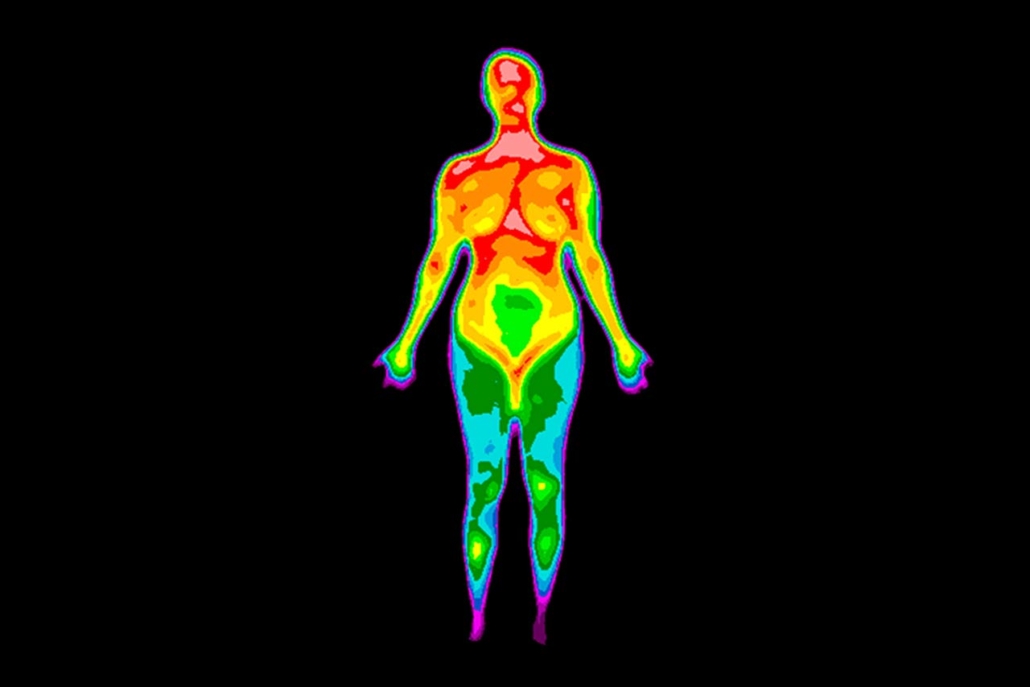
Be aware of how you feel physically. When my emotions are getting high, I often feel flushed. When I notice my body reacting that way, I stop and think. Taking a minute to figure out what is going on can realy go a long way.
Ask yourself if the feeling is justified. Sometimes it is! But often the reaction comes from somewhere else entirely. Perhaps you are feeling anxious or frustrated. If the feeling does not seem justified, try to think of how you would help a friend in the same situation.
Step away from the situation. Sometimes the best thing you can do is remove yourself from a triggering situation. Then, you can more rationally plan your next step.
Don’t be so hard on yourself. Exercise some self-care when you feel yourself getting overwhelmed. Take a walk, listen to some music or play with your pet. Show yourself some self-compassion.
Overall, what we can take from this is that we all have tough emotions and sometimes it’s hard to regulate them! We’ve been on an emotional rollercoaster for the last few years, and that can take a toll on anyone’s mental health. The best way to deal is to realize when and why it happens. Sometimes just admitting that these emotions are real and normal is half the battle.
Kathleen Weaver-Zech and Dean’s Team Chicago
https://www.deanteamchicago.com/wp-content/uploads/sites/84/2023/10/article-home-and-lifestyle-featured-101023.jpg7201280adminhttps://deanteamchicago.com/wp-content/uploads/sites/84/2015/09/dean-moss-logo.pngadmin2023-10-10 12:31:222023-10-10 12:31:23Chicago Home and Lifestyles – Keep those emotions in check!
Listing your home at the right price is critical. Pricing too high or too low can keep your home on the market a lot longer than you’d like, and can even leave thousands of dollars on the table.
Comparing what other similar homes in the neighborhood recently sold for is the more popular way of coming up with an accurate listing price in residential real estate; however, there are other ways to measure value.
One way that some sellers and their agents price homes for the market is by using a price-per-square-foot analysis of a subject property to compare to. While this shouldn’t be the sole method of pricing a listing, it can help somewhat. While many in the industry discard this method, it can still help narrow down an accurate listing price. In fact, professional appraisers and commercial brokers still continue to use these calculations, so there’s still got to be some merit to it.
The key to using a price-per-square-foot analysis is to follow specific guidelines.
How the Price Per Square Foot is Calculated
A home’s price per square foot is determined by dividing the subject property’s price by its square footage. For instance, a 1,500 square-foot-home that’s priced at $300,000 would have a price-per-square-foot calculation of $200 ($300,000 ÷ 1,500 s.f.). Calculating the price of a home can be done by multiplying the price per square foot by the home’s square footage.
Of course, this calculation on its own is very simplistic. Many issues can be raised by this simple calculation alone, as these numbers are subject to error. For instance, how accurate is the actual square footage of the home? How was this actually calculated? Was it even measured to ANSI standards, or was it done using old-school measuring tape?
No matter what method was used to calculate the subject home’s square footage, it needs to be very accurate. Not only that, it needs to be consistent with the method used to measure other comparable homes in the area. If not, one of the variables in the price-per-square-foot calculation could very well be highly inaccurate. Only after very precise numbers are obtained can the price-per-square-foot analysis work.
Follow the 10% Rule
A price-per-square-foot comparison method needs to stick to the 10% rule in order to be accurate. Basically, this rule involves ensuring that the improvements to the subject home along with the square footage of the land it sits on are within a 10% range of those of the subject property that is being evaluated. For instance, for a 1,500-square-foot home on a 5,000-square-foot lot, comparable sales should be based on homes within the 1,350 to 1,650-square-foot range (1,500 +/- 10%), and lot sizes must be within the 4,500 to 5,500-square-foot range range (5,000 +/- 10%).
Tread Lightly With Improvements
A home that’s been renovated from top to bottom in high-end materials is often assumed to be worth a lot more per square foot than a home that is in dire need of some TLC. While this is true to some degree, improvements might not necessarily have as much of an effect on the price-per-square-foot, depending on the buyer.
For instance, a home with brand new porcelain tiles might not be worth much to a buyer who has intentions of ripping it all out and replacing it with wide-plank oak hardwood flooring. In many circumstances, improvements do – and should – play a role in establishing an accurate price based on a price-per-square-foot analysis, but exceptions to the rule should be accounted for.
Any upgrades that have added useable square footage to a home will typically increase the value of the home. For instance, if a 2-bedroom, 1-bathroom house is converted into a 3-bedroom, 2-bathroom home, such improvements will usually increase the property’s value.
The Bottom Line
The price-per-square-foot analysis can certainly be helpful in coming up with a listing price for your home, but it should definitely not be the only method used. The key to accurate pricing is to use a comparative analysis of similar properties in the area that have sold no further back than two or three months. Actual sale prices are factual, and already involve all of the variables that need to be considered when coming up with an accurate listing price, including size, location, finishes, condition, and so forth.
There’s also something to be said about an in-depth knowledge of the local market, knowing what buyers in the area are looking for, and understanding buyer and seller motivation. The price-per-square-foot analysis only works with a solid understanding of the housing market of the area in question. Experienced real estate agents will be able to pair their knowledge of the market with comparables and a price-per-square-foot analysis to come up with the right price that will garner the most attention from interested buyers.
https://www.deanteamchicago.com/wp-content/uploads/sites/84/2023/10/article-square-feet-featured-100823.jpg7201280adminhttps://deanteamchicago.com/wp-content/uploads/sites/84/2015/09/dean-moss-logo.pngadmin2023-10-08 21:53:042023-10-08 21:53:57Using Price-Per-Square-Foot Analysis to Price a Home
Welcome one and all to the first full weekend of October 2023, which means the Holiday Season is quickly approaching! But before that season is in full swing, let’s just relax and enjoy what this weekend has to offer us. Who’s with me?
With the cooler fall breezes expected this weekend, it’s a perfect time to celebrate the 7th annual Lincoln Park Wine Fest at Jonquil Park (1001 W. Wrightwood Ave.) in the Lincoln Park neighborhood this Saturday and Sunday. This open-air market features wine and food pavilions spread across the park offering scores of varietal wines from around the world along with sommeliers and brand ambassadors coaching you through a two-hour tasting session. A general admission ticket gets you a sample of 12 varietals of wine with a commemorative tasting glass, while a VIP ticket gets you an expanded tasting that includes five additional specialty wines, a commemorative glass, a private seating area, restrooms, and an exclusive entrance for easy access. In addition, fest goers will be able to enjoy tunes spun by DJ Julio along with wine related craft and merchant vendors!
If beer is your choice of beverage, you’re in luck as the Chicago Beer Festival takes over the Field Museum (1400 S. Lake Shore Dr.) in the South Loop this Saturday from 7 p.m. to 10 p.m. Each attendee will receive 40 tasting vouchers for the opportunity to sample creations from over 65 breweries offering their fall seasonal beers as well as have access to a select number of the museum’s exhibits. Tickets will not be sold at the door so be sure to get them online before heading over there to have a drink with Máximo!
The Time Out Market (916 W. Fulton Market) in the West Loop is dusting off their Dirndls and Lederhosen for their Octoberfest with Sam Adams this Saturday and Sunday. This fall celebration features a pop-up beer bar with steins and samplings of Sam Adams Oktoberfest, a stein hoisting competition with prizes, a kids’ story time, live music from the Die Musikmeisters German band, and giveaways. In addition, Market vendors will have plenty of Octoberfest specials available for purchase to pair with your lager!
Another fall celebration taking place this Saturday and Sunday is Oktoberfestiversary. This outdoor bash is being hosted by Begyle Brewing and Dovetail Brewery in their shared parking lot (1800 W. Cuyler Ave.) in the North Center neighborhood. Attendees can dine on bites from local food trucks, enjoy some live music, and sip on special beer tappings in addition to enjoying regular brews from Begyle and Dovetail. Also, besides celebrating the coolest season, Begyle Brewing is celebrating its 11th anniversary as well!
Come participate in a day full of family-friendly fall-themed activities at Athletic Field Park’s Fall Fest located at 3546 West Addison Street in the Irving Park neighborhood this Saturday (10 a.m.-3 p.m.). Fun activities include a pumpkin patch, scarecrow making, inflatable games, a petting zoo, pony rides, live music, delicious food, beverages, and more! While admission is free tickets for games, activities, and food are available for purchase at $1 each, or $20 for a discount ticket bundle of 25 tickets.
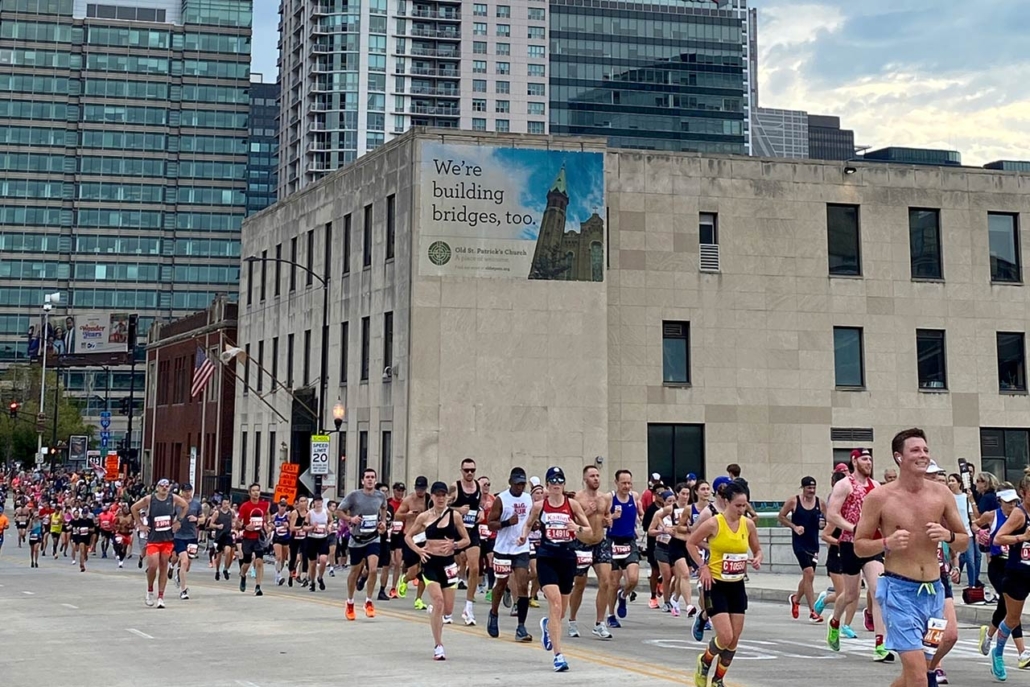
Beware of street closures this Sunday as the Bank of America Chicago Marathon hits the city’s streets as it welcomes thousands of participants from all 50 states and over 100 countries. The race will begin and finish in Grant Park (337 E. Randolph Dr.) in The Loop with a 26.2-mile tour that includes 29 neighborhoods. While it’s too late to enter the race, it’s never too late to be one of the 1.7 million spectators cheering on the runners with handmade signs, blaring music, and words of encouragement as they whiz by. Plus, there’s a reunite area in Grant Park where you can meet your runner starting at 9:30 a.m. This iconic course has produced four world records, several national records, and countless personal bests!
Sue Moss and Dean’s Team Chicago
https://www.deanteamchicago.com/wp-content/uploads/sites/84/2023/10/article-weekend-100623.jpg7201280adminhttps://deanteamchicago.com/wp-content/uploads/sites/84/2015/09/dean-moss-logo.pngadmin2023-10-06 15:20:172023-10-06 15:20:19THIS WEEKEND IN CHICAGO – Cheers to a Relaxing October Weekend!
Along with the Berlin, Boston, London, New York City, and Tokyo marathons, the Chicago Marathon is one of the world’s six major marathons, their website proudly proclaims. And it’s taking place in Grant Park this weekend, Sunday, October 8, where an estimated 1.7 million spectators will cheer on 45,000 runners.
In the Beginning…
The very first Chicago Marathon was run on Saturday, September 23, 1905, according to Enduropacks.com. Sponsored by the newly-formed Illinois Athletic Club, the race was 25 miles long, In 1905, 20 runners registered for the first Chicago Marathon, 15 actually started the race, and 7 finished. The race began in Evanston and finished in front of a standing-room-only, paying crowd at Washington Park race track, according to the Chicago Tribune. In a stunning upset, according to the blog, a reported 100,000 or more spectators watched Rhud Metzner come from behind to steal a late-race victory from the favored Louis Marks.According to the book Chicago Marathon, Marks collapsed, but got up and finished the race.
The Chicago Tribune also pointed out that the Marathon wouldn’t grow to 26.2 miles until after the 1908 London Olympics.
And, according to Wikipedia sources, the Chicago Marathon has never excluded women, unlike other cities. Historically, however, Wikipedia notes, the women’s field has been smaller than the men’s. This seems to be the result of older age categories having large multiples of men to women, but the women are beginning to outnumber the men in the 20s age group of the field.
The Modern Era- 1977 to Present
Annual Chicago marathons were held from 1905 to the 1920s, the later runs sponsored by the Chicago Daily News, but spent the next several decades in limbo.
It was not until the health consciousness of the 1960s, according to Wikipedia sources, that marathon growth gained traction. Frank Shorter’s 1972 Olympic marathon victory represented the convergence of many middle-class American ideals. Then the 1976 New York City Marathon, which was the first New York City Marathon to embrace the five borough course, popularized the big city marathon.
As the ‘Second City,’ Chicago wasn’t far behind New York. The modern era Chicago Marathon, according to Wikipedia sources, was founded over the objection of Ed Kelly, Chicago Park District Superintendent who refused permission to run in the parks or along the Lake Michigan lakefront. With the help of Lee Flaherty, the event’s founder, Mayor Richard J. Daley’s support for the marathon was enlisted. Although Mayor Daley died, his successor Michael Bilandic, a runner himself, approved the race and got Kelly on board. the first marathon on September 25, 1977 and called the Mayor Daley Marathon, with 4,200 participants. Britain’s Steve Jones recorded Chicago’s first-ever world record in 1984.
Carey Pinkowski took over as Chicago Marathon director in the 1990’s, when only a few thousand runners participated, according to a Chicago Tribune profile. At that time, he recalled, he would sweep the course himself the morning of the race — and even hand out race bibs to last-minute runners.
“Very early on, I saw the Boston Marathon and the tradition and New York with its urban experience,” he told the Chicago Tribune. “(Fred Lebow, co-founder of the New York City Marathon) was saying, ‘You’re going to see events with 30,000-50,000 people. People are going to discover this activity.”
In 1990, the Chicago Tribune noted in Pinkowksi’s first year at the helm, 6,168 runners finished. As his biography notes, over 30-plus years, the Marathon grew to a record 45,932 finishers in 2019, including runners from all 50 states and more than 130 countries. He and his team did this by building the marathon’s relationships with the city, the corporate community and the local neighborhoods along the course. They also introduced charity runs and Paralympic marathons.
The event began attracting elite runners in the mid-80’s, as prize money and prestige grew. Four of the Chicago Marathon’s five world records have been set during Pinkowski’s time: Morocco’s Khalid Khannouchi (1999), Kenya’s Catherine Ndereba (2001), Great Britain’s Paula Radcliffe (2002) and Kenya’s Brigid Kosgei (2019).
Present Day: Parallels to the past
This Sunday, runners will wake up, stretch, and have the same dream that runners did in 1905: to reach the finish line, no matter what it takes.
According to Runtri.com, like the 1905 inaugural race, today’s Chicago Marathon route is an unparalleled city showcase, passing Millennium Park, the Loop, Lincoln Park Zoo, Lake Shore Drive, the Lyric Opera House, The Mercantile Exchange, Greek Town, Chinatown and finally, the Grant Park finish area.
Along the way, three of the city’s main stadiums are near the course’s turning points: Wrigley Field to the north; the United Center to the west; and Guaranteed Rate Field to the south. The city’s fourth professional stadium, Soldier Field, is located near the start/finish area.
The loop course starts and ends at Grant Park. For more about Sunday’s Chicago Marathon, click here.
Alison Moran-Powers and Dean’s Team Chicago
https://www.deanteamchicago.com/wp-content/uploads/sites/84/2023/10/article-neighborhood-featured-100523.jpg7201280adminhttps://deanteamchicago.com/wp-content/uploads/sites/84/2015/09/dean-moss-logo.pngadmin2023-10-05 13:23:212023-10-05 13:23:21Neighborhood News... Chicago Marathon: 26.2 Miles and 118 Years to A World-Class Event
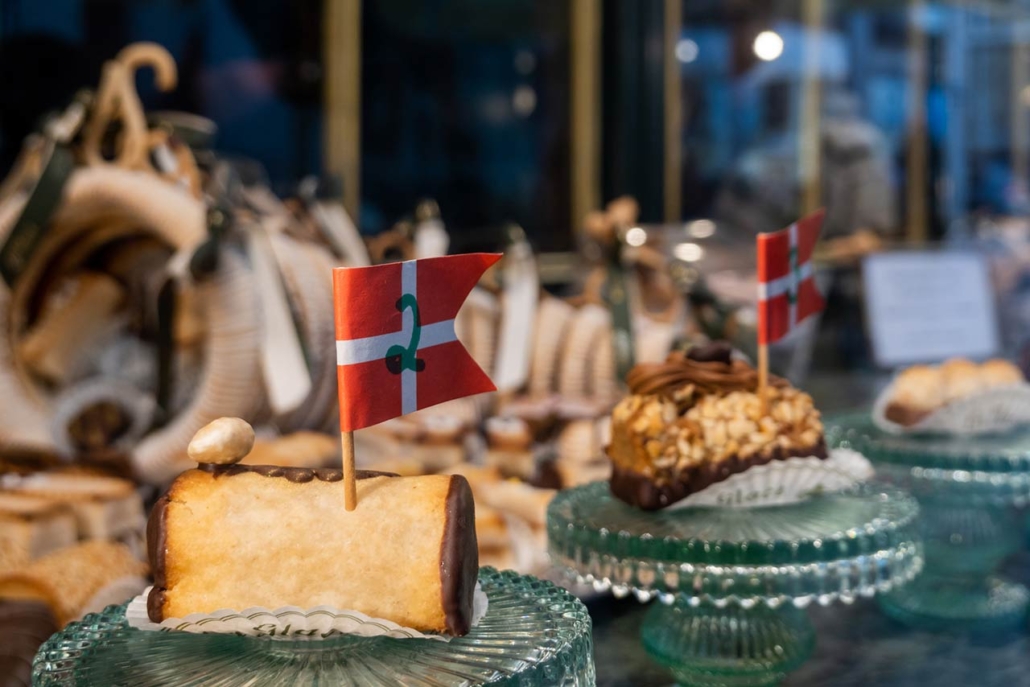
Centering on “simplistic fare, seasonal ingredients, and energetic hospitality,” Elske is the Danish creation of two decorated husband and wife chefs. With Elske, David and Anna Posey earned a Michelin Star from 2018-2022, and a James Beard Award for Best Chefs of the Year in 2020.
Scandinavian cuisine is tough to get right. One highly recognizable characteristic of Scandinavian food, according to Kamikoto.com is their preference for cooking methods such as preserving, drying, smoking, salting and pickling. In Denmark, the emphasis is on open-faced sandwiches, with an array of toppings such as smoked fish, cheese, fresh salad items, boiled potatoes and cured meats.
Elske, which means “to love,” in Danish, kicks it up a notch, serving a $125 set menu featuring a smorgasbord of fresh and smoked flavors, including:
Skordalia with currants and cipollini onions on rugbrø
Tempura Shrimp with sesame leaf
Cured fluke with kohlrabi, summer apples, and mustard
Smoked fjord trout with cabbage, sourdough, and dill
Duck liver tart with salted ramp and toasted buckwheat
Grilled lamb loin and sausage with dried fruits and fennel
Frozen anise jelly with mint
Æbleskiver with roasted cherries, marcona almond, and cherry pit
Or, you can try ala carte selections such as Frikadeller with cornbread porridge, pickled green tomato, and nasturtium, or a Grilled Pork Collar with carrots, chopped pickles, and coriander, a Koji Marinated Chicken with summer squash, ‘salsa macha’, and basil.
Desserts should be savored, as Anna, the 2018 Jean Banchet Award winner for Pastry Chef of the Year, is bound to create a subtle mix of flavors in desserts such as Lemon Verbena Tapioca with watermelon, Strawberry and Buttermilk Panna Cotta with nasturtium and spices, or her Sunflower Seed Parfait with sour honey, licorice, and bee pollen (from their own rooftop bee hive.)
Reviews were mostly spectacular.
One Google reviewer wrote, “Such a good experience overall, loved everything about it. They made the tasting menu vegetarian for my wife and I didn’t expect that and it was great. I’ll say I’m not a fan of the fish dishes but maybe that’s just me.”
Open Table was even more impressed. “Elske is perfection. From the moment we arrived, until the one we, sadly, had to leave, everything just clicked. The outdoor fireplace is such a beautiful touch, and it’s great to relax before, or after, (or both) dinner and enjoy the space. We didn’t mention we were celebrating a special occasion, but, the staff picked up on it, and helped us celebrate. The food, ambiance and staff are all exceptional.”
Elske is located at 1350 W. Randolph Street. Their hours are Sunday, Wednesday, and Thursday, 5:30pm–9pm, and Friday and Saturday 5:30pm–9:45pm. They are closed Mondays and Tuesdays. For more information and reservations, click here.
Alison Moran-Powers and Dean’s Team Chicago
https://www.deanteamchicago.com/wp-content/uploads/sites/84/2023/10/article-review-featured-100423.jpg7201280adminhttps://deanteamchicago.com/wp-content/uploads/sites/84/2015/09/dean-moss-logo.pngadmin2023-10-04 13:20:302023-10-04 13:20:30Restaurant Review: West Loop’s Elske gives a lot of love-Danish-style
More than 23 million Americans, including myself, suffer from autoimmune conditions. These are conditions where your immune system is inhibited and is unable to decipher what is safe and what is dangerous. The immune system then attacks healthy cells and tissues thinking they are threatening. My condition is rheumatoid arthritis and here my immune system attacks and deteriorates the cartilage in my joints. Others include Crohn’s disease, multiple sclerosis, celiac disease, type 1 diabetes, lupus, psoriasis and inflammatory bowel disease, among others.
Research into these diseases hasn’t yet found a cause or a cure, but these diseases will grow chronically worse as we age. Some research has concluded that these autoimmune diseases result from interactions between genetic and environmental factors. Many of these diseases tend to occur in families. My paternal grandmother suffered from rheumatoid arthritis also. But just having the gene doesn’t predispose you to develop the disease. There needs to be an outside trigger. Known triggers include environmental toxins, infections, unknown allergens, stress, and even lack of sleep. These conditions are always present but do tend to flare and cause tremendous pain and fatigue.
Studies are suggesting that a healthy lifestyle can help limit the number of flares as well as their severity. Maintaining a healthy weight, sleeping regularly, and controlling stress can keep your immune system balanced and reduce flares. Diet is one of the most important areas to concentrate on. Nutrition, the gut mucosal immune system, the intestinal microbiota, and autoimmune pathology are deeply intwined. What we eat and the health of our digestive systems are directly connected to our autoimmune system. 70% of our immune system resides in our gut so it’s important to pay attention to what you put in there. Not just avoiding inflammation causing foods but adding pre and probiotics, and bone broth to build healthy bacteria.
Avoid these foods that cause inflammation:
Sugar
Refined carbs
Trans-fats
Omega 6 fatty acids
Processed foods and meats
Alcohol and caffeine
Artificial sweeteners
Food dyes
These foods reduce inflammation:
Fruits, especially berries
Omega 3 fatty acids, found in fatty fish like salmon and tuna
Leafy greens
Olive oil
Spices like cumin and turmeric, also garlic
Seeds and nuts
Avocados
Following the Mediterranean diet with all the above, along with exercise and sufficient sleep can help lower your inflammation and help with your disorder. Make sure to consult with a doctor specializing in your condition. There are medications called biologics that are reducing the progression of many of these diseases.
Kathleen Weaver-Zech and Dean’s Team Chicago
https://www.deanteamchicago.com/wp-content/uploads/sites/84/2023/10/article-home-and-lifestlye-featured-100323.jpg7201280adminhttps://deanteamchicago.com/wp-content/uploads/sites/84/2015/09/dean-moss-logo.pngadmin2023-10-03 15:38:322023-10-03 15:38:40Chicago Home and Lifestyles – Inflammation triggers in your diet
It would be nice to be able to trust your contractor’s word when you’re having work done on your home, but a written contract really is the only way to go. Having everything in writing can ensure that every party involved fully and clearly understands what is expected of them. It keeps the job running smoothly and ensures that everyone agrees on what should be done and when.
A written contract with all pertinent details will also protect you should you ever have to seek compensation for a job that was not done as promised. Be sure that your contract includes all of the following elements before you sign on the dotted line.
1. Detailed Description of the Job
Before any contract becomes binding, make sure that it lists in detail all of the specific tasks involved in the project, the materials that will be required, and the associated costs with each.
The contract should also specify that the contractor will apply for and obtain all of the required building permits to legally and safely carry out all the tasks, and that all debris from the demolition will be disposed of appropriately. In addition, make sure the contract specifies that all workers involved are covered by liability and workman’s compensation insurance.
2. How Payments Will Be Made
Obviously, the contract should include the total price for the work involved. But it should also detail exactly when increment payments should be made, how much each payment should be, and how you should be paying the contractor. Usually, an initial deposit is required, which should not be any more than 10% of the entire cost of the project.
Then, further installments will be paid after each milestone has been reached, such as after the drywall has been installed, after the flooring has been laid, and after the kitchen cabinets have gone up. The last portion of the final payment should only be provided after the job has been fully completed to your discretion.
3. Start and End Dates of the Project
You’ll both want to know when the job will be started and roughly when it will be completed in order for you to fit it into your schedules. The end date shouldn’t exactly be written in stone to allow for certain unexpected circumstances; however, it shouldn’t be so far off the original completion date, either. Be sure that these dates are written into the contract.
4. How Changes to the Project Will Be Dealt With
It’s common for home renovation projects to encounter unforeseen situations that can warrant some changes to the original plan. It’s important to anticipate such scenarios, and have a plan in place on how to deal with them.
It should be noted that no changes should take place until the contractor has received written approval from you. Only then should a “change order” take place, which outlines what changes need to be made and any associated costs.
5. Lien Waivers
Various workers who come onto your property to do work – including plumbers, electricians, drywall tapers, painters, etc – can claim that any work they did on your home was never paid for, even if your contractor did indeed receive payment for the work.
Having a “lien waiver” written into your contract for every installment payment made can protect you from these individuals placing a lien on your property. Every invoice for every payment made should include a signed statement proving that any payments you made to your contractor were in fact used to pay off all the workers involved.
6. Written Notice of Your Right to Cancel Without Penalty
You may have entered a contract with a contractor to have certain work done on your home, but what if you change your mind at the last minute? What if something comes up that derails your plans for a home renovation?
Luckily, you can back out of your contract without any penalty within three business days of signing it. Having an “escape clause” included in the contact means you can cancel the deal within three days without losing your deposit.
7. Warranty
Having a warranty for all the work done in your home will provide you with reimbursement should something go wrong with the workmanship. Usually, these warranties are for no less than one year. Make sure the name and address of the person or company who will honor the warranty are included in the contract, along with the exact date that the warranty starts and ends.
8. Signatures
This may sound obvious, but make sure both you and the contractor sign the contract. It won’t be legally binding without these signatures.
The Bottom Line
Your contract is a crucial element to any home renovation job. It makes sure that each party holds up their ends of the bargain, and protects all parties involved, especially you. Make sure your contract includes all of these elements in order to protect you from any shady behavior from your contractor, and provide you with some recourse should you be defrauded in any way.
https://www.deanteamchicago.com/wp-content/uploads/sites/84/2023/10/article-renovation-contract-featured-100123.jpg7201280adminhttps://deanteamchicago.com/wp-content/uploads/sites/84/2015/09/dean-moss-logo.pngadmin2023-10-01 21:30:222023-10-01 21:35:238 Essential Items Your Home Renovation Contract Should Include
As we continue to dive into the colorful and wonderful world of autumn here in Chicago, this weekend is packed with all sorts of delightful autumn-related festivals!
Let’s begin in the Lincoln Park neighborhood with the 9th annual Lincoln Park Zoo Fall Fest located at 2200 North Cannon Drive that runs from September through October (10 a.m.-5 p.m.). This is a free, family-friendly fest featuring free activities such as a pumpkin patch, professional pumpkin carvers, live large-scale chalk art, fall photo ops, animal viewings, chats with zoo experts and keepers, and more. Plus, this year’s ticketed activities include a fun slide, the Lionel train adventure, a harvest maze, an inflatable bounce house, and more. Come celebrate harvest time fun at the Zoo!
Moving on, the Lincoln Square neighborhood is hosting its 36th annual Lincoln Square Ravenswood Apple Fest located at 4700 North Lincoln Avenue between Lawrence and Sunnyside Avenues this Saturday and Sunday (9 a.m.-6 p.m.). This year’s fest has been expanded and offers fest goers 50+ vendors offering fall essentials such as caramel apples, apple pies, apple butter, and more, as well as cozy accessories, scented seasonal candles, unique gift items, and more. Then munch on awe-inspiring apple delights from local restaurants, quench your thirst with some refreshing cider or apple-flavored beer, enjoy live music performances, and even bring the kids for a day to enjoy an array of kids’ activities such as jugglers, musicians, sing-a-longs, and so much more. This apple-filled weekend sure is a great way to welcome autumn!
Next stop is the Logan Square neighborhood for the 3rd annual Oktoberfest: Beer n’ BBQ Festival held at the Navigator Taproom (2211 N. Milwaukee Ave.). The event kicks-off this Saturday at 12 p.m. with the pitmasters serving up pulled pork, smoked chicken, and German bratwurst along with all the sides and fixings. Then at 2 p.m. it’s time for beer tasting, and BBQ pairings with a special selection of 10+ German beers and 40+ other craft options from local breweries. In addition, all attendees will be entered into a raffle to win prizes!
It’s time to head on over to The Loop for Millennium Hall’s 2nd annual Oktoberfest this Saturday (11 a.m.-5 p.m.). This event is held at the Double Clutch Beer Garden which seats 800+ guests and is located under Millennium Park’s infamous Bean (11 N. Michigan Ave.). This event features award-winning German beers; a special menu which includes traditional authentic cuisine such as bratwurst, schnitzel, Bavarian pretzels, and more; and features activities for the whole family to enjoy such as popular Oktoberfest games like a stein-holding contest or a pretzel-eating contest with fun prizes being awarded for the adults; and cookie decorating, face painting, and much more for the kids!
Finally, Chinatown (2200 S. Wentworth Ave.) will be hosting its 2023 Moon Festival this Saturday (5 p.m.-9:30 p.m.). Revel in the rich traditions of this mid-autumn festival which is second only to the Lunar New Year. It’s a time to cherish the full moon and strengthen bonds with loved ones. The streets are adorned with lanterns of all sizes and shapes to light up the night as the celebrants indulge in the tradition of sharing mooncakes which symbolizes unity and togetherness. Then a glass of fragrant chrysanthemum flower wine is raised to truly embrace the spirit of this festival!
Sue Moss and Dean’s Team Chicago
https://www.deanteamchicago.com/wp-content/uploads/sites/84/2023/09/article-weekend-featured-092923.jpg7201280adminhttps://deanteamchicago.com/wp-content/uploads/sites/84/2015/09/dean-moss-logo.pngadmin2023-09-29 13:48:262023-09-29 13:48:28THIS WEEKEND IN CHICAGO – Continuing to Dive into the World of Autumn!
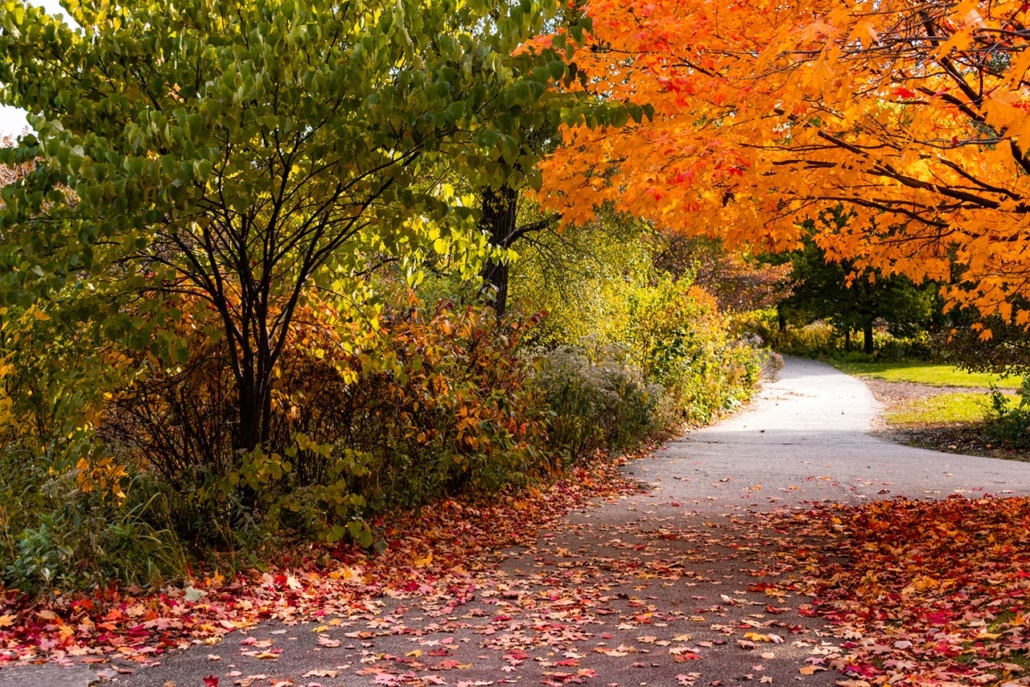
As we make our way to October, the Midwest’s fall colors have already started blazing. A leaf here, a maple tree there.
The seasons, they are a- changing!
Just ahead, according to Rove.me, the peak fall colors will develop in the first two weeks of October. For a short, blissful few weeks, the red, green, purple and yellow hues of Autumn will converge with daytime highs in the 60s and 70s, to create a season of beauty on the tree-filled Lakefront Trail and the 606 Trail, also known as the Bloomingdale Trail.
You’re welcome!
The Lakefront Trail Daley
According to Architecture.org, Mayor Richard J. Daleychampioned for the development of a bikeway system in the city. He designated the Lakefront Trail as a bicycle path in 1963, creating a beloved piece of the city’s lakefront that many have fought to keep “forever open, clear and free of buildings.” The 18.5-mile trail runs from Lane Beach on the North Side to the South Shore Nature SanctuaryandCultural Centeron the South Side for walking, jogging, skateboarding, and cycling, located along the western shore of Lake Michigan. The trail passes through and connects Chicago’s four major lakefront parks along with various beaches and recreational amenities. It also serves as a route for bicycle, skateboard and personal transporter commuters.
Along the path are the reasons why people come to Chicago…iconic structures like the Museum of Science and Industry, McCormick Place, Soldier Field, Chicago’s Museum Campus, Monroe Harbor, Navy Pier, Belmont Harbor, and the Waveland Clock Tower, as Wikipedia notes. The Lakefront Trail connects most of the Chicago beaches and three skate parks (31st Street, Grant Park, Wilson Avenue). Several dog parks are accessible from the trail.
On the 6(06)…
As its website says, the 606 (or Bloomingdale Trail, the official name,) gets its name from the common numbers in Chicago’s zip codes. The scenic path has multiple access points across four of Chicago’s hippest neighborhoods — Wicker Park, Bucktown, Logan Square, and Humboldt Park — making it a favorite spot for local walkers, runners, bikers, and families. The trail Is located at the 1800 block north in Chicago, between Ashland (1600W) and Ridgeway (3750W), with 12 access points along its nearly three miles. The trail weaves through four neighborhoods and features native plants, nature trails, and public art.
History
According to Wikipedia sources, the Bloomingdale Line was constructed in 1873 by the Chicago & Pacific Railroad Company as part of the 36-mile Elgin subdivision from Halsted Street in Chicago to Elgin, Illinois. It was soon absorbed by the Chicago, Milwaukee, St. Paul and Pacific Railway (also known as the Milwaukee Road). Chicago first investigated converting the Bloomingdale Line into a greenway in 1997, but the railway was still in active use. However, once the railroads were gone, the Friends of Bloomingdale Trailnote that “Nature reclaimed the former rail line above. Trees sprang up between the tracks, flowers bloomed, and animals moved back into former habitats.”
The city and community reintroduced the greenway concept as part of the Logan Square Open Space Plan in 2002–2004. This plan proposed a linear park or greenway with several public access ramps. At the east end, a trailhead would be created at the Chicago River. In 2015, the work was completed and the trail dedicated.
Both the Lakefront Path and Bloomingdale Trail are open daily from 6 am to 11 pm, the same hours as other Chicago Park District parks. For more information, click here.
Alison Moran-Powers and Dean’s Team Chicago
https://www.deanteamchicago.com/wp-content/uploads/sites/84/2023/09/article-neighborhood-featured-092823.jpg7201280adminhttps://deanteamchicago.com/wp-content/uploads/sites/84/2015/09/dean-moss-logo.pngadmin2023-09-28 12:03:352023-09-28 12:03:35Neighborhood News: Chicago's Lakefront Trails perfect for fall colors
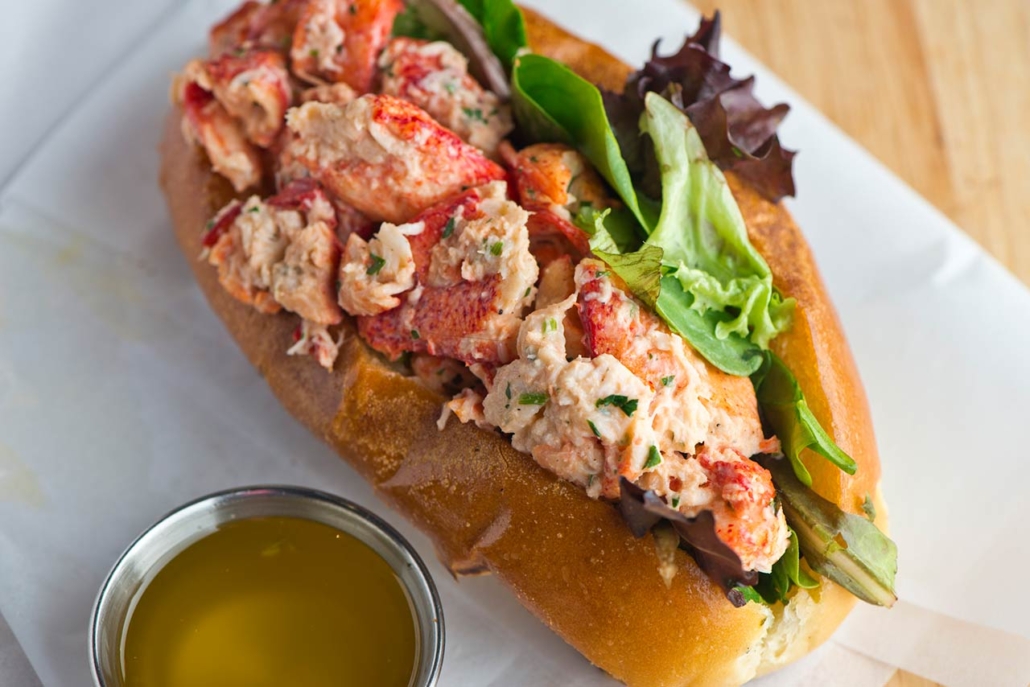
One of my favorite memories as a kid was traveling by car to New England. This Midwestern girl was fascinated by the shrimp, crab and lobster shacks that dotted the Atlantic coast, from Massachusetts to Maine. For me, I associated lobster and crab with elegance and sophistication. Here, it was served the same way you’d have a Big Mac… on a bun, with fries or chips, and a soda. But they were so good!
Now, the fish shack of my childhood has come, in upscale form, to the Chicago Loop. Luke’s Lobster City Hall, is a family-owned Maine seafood business, founded by third-generation lobsterman Luke Holden. According to their website, Luke’s began as a tiny lobster roll shack in New York City, where Holden was unable to find an authentic, high quality Maine lobster roll to feed his craving for home in 2009. He, partner Ben Conniff, and their team launched and built their first ten shacks sourcing the world’s best lobster from fishermen through Luke’s father, Jeff’s seafood production business.
In Chicago, a note on the menu indicates that their “rolls are served with sustainably-sourced lobster, crab, or shrimp in a toasted New England-style split-top bun—the way Luke grew up eating them in Maine.” Their crustaceans are sourced directly “from fishermen we know and trust, in an industry Luke’s family has been part of for three generations.”
The menu in Chicago relies on the items they know best. Luke’s Lobster Roll is four ounces of chilled, wild-caught lobster in a butter-toasted bun with mayo, lemon butter, and Luke’s Secret Seasoning. Their 6-ounce rolls offers 50% more seafood on the same bun.Their Jonah Crab Roll is served Maine-style: chilled crab with a swipe of mayo, lemon butter, and of course, Luke’s Secret Seasoning. Crab Roll isfour ounces of chilled, wild-caught crab in a butter toasted bun with mayo, lemon butter, and Luke’s Secret Seasoning. Combo the sandwich with a drink and Cape Cod Kettle Chips, or splurge and order their New England Clam Chowder (that’s the white chowder) or a rarity in these parts, a Lobster Bisque. Sides include a Poppyseed (Cole) Slaw.
Google reviewers were gaga over what they ordered recently.
“Amazing lobster roll!!,” said one reviewer. “Wow wow wow. The bread is so soft and buttery and it’s really great. You feel that you dont want the sandwich to finish. The service is very fast and the employees are nice (and) helpful. The soup was okay because im not a very big fan of it anyway.”
“Damn that was good,” wrote another. “The seafood was very fresh and perfectly seasoned and delicious but the star was honestly the rolls. Buttery and crispy on the outside. Clam chowder was amazing too. Great meal.”
Luke’s Lobster City Hall is located at 134 N. La Salle Street. They are open seven days a week from 11am to 7pm, and are also home to catering, takeout and shipping across the country. For more information, click here.
Alison Moran-Powers and Dean’s Team Chicago
https://www.deanteamchicago.com/wp-content/uploads/sites/84/2023/09/article-review-featured-092723.jpg7201280adminhttps://deanteamchicago.com/wp-content/uploads/sites/84/2015/09/dean-moss-logo.pngadmin2023-09-27 12:57:302023-09-27 12:57:52Restaurant Review: Craving Lobster? Crab? Shrimp? Try Luke's Lobster City Hall