Restaurant Review: For National Hot Dog Month-A Tribute to Chicago Dogs (no ketchup allowed!)
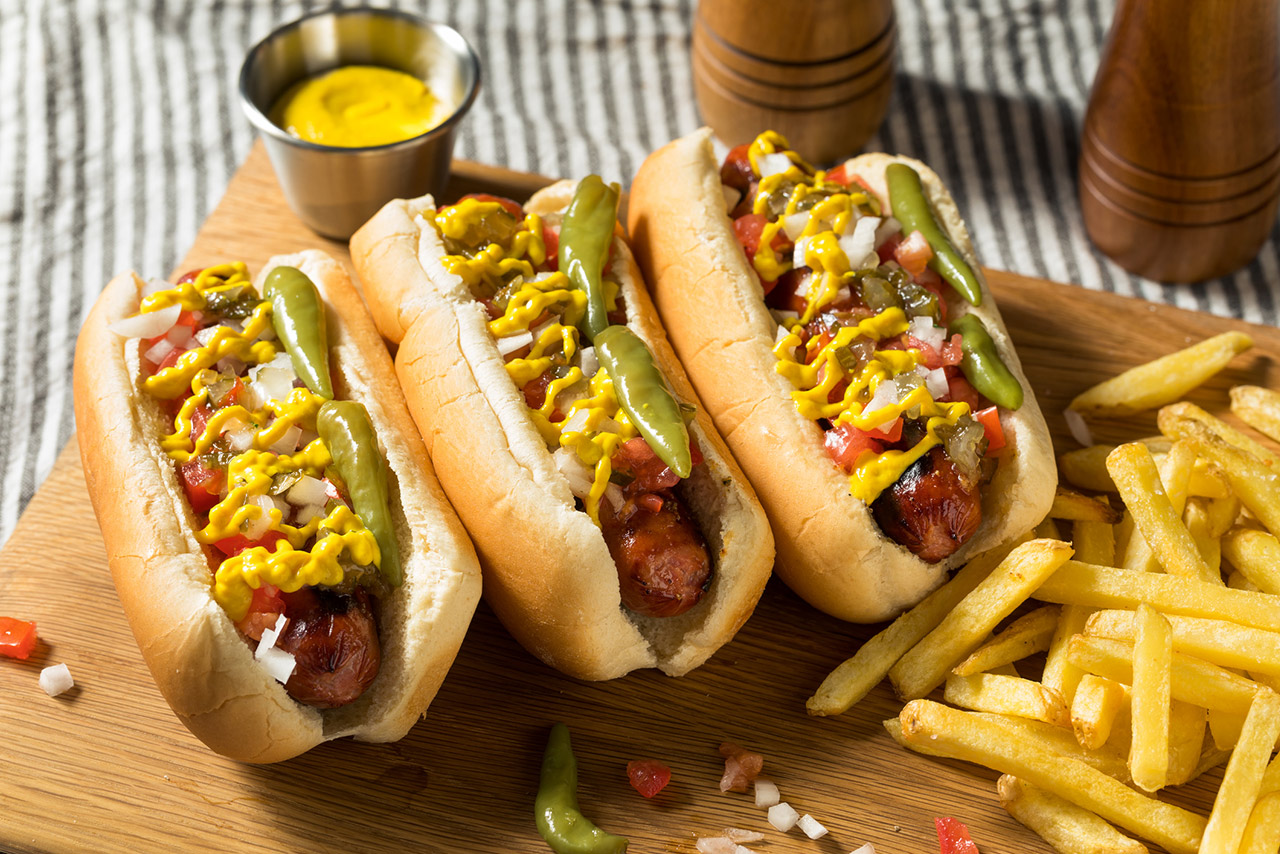
Homemade Chicago Style Hot Dog and Fries stock photo

Over the weekend, I was privileged to go to Wrigley Field to see the Savannah Bananas. And when I’m at the ballpark, the only thing I want/need/desire is a delectable Chicago Dog, paired with a Souvenir Soda!

But they were out of Bright Green Relish at the Clark Street Grill!! How tragic is that? Let me count the ways…

What makes a Chicago Dog?

Fortheuninitiated, as Tastes of Chicago notes, a Chicago Dog (aka, ‘dawg’) looks like it was “dragged through the garden.” Somehow, it makes me feel like I’m eating healthier than I really am.  

The perfection of a Chicago Dog starts with a Steamed Poppy Seed Bun and an an All-Beef Frankfurter (preferably a Chicago Vienna Dog) It’s topped with Yellow Mustard, Bright Green Relish, Fresh Chopped Onions, Juicy Red Tomato Wedges, a Kosher-Style Pickle Spear, a couple of Spicy Sport Peppers and a dash of Celery Salt. 

Most importantly… a true Chicago hot dog connoisseur wouldn’t be caught dead with Ketchup on their dawg and neither should you. 

Other hints, courtesy of Block Club Chicago…”A good (hot dog) stand will build condiments from the bottom up, with the topping order based on the condiments’ sizes, how they adhere to the bun and sausage and how their flavors mix.”

Block Club Chicago also notesthe Chicago-style dog’s origins stretch back to the Great Depression in the ’30s, when its hearty helping of toppings could provide Chicagoans with calories and nutrition on the cheap.  They also appealed to the city’s large immigrant population, as Germans and Slavs had brought sausages to the United States and helped popularize them. 

Where are the best Chicago Dogs in the city?

Superdawg, 6363 N. Milwaukee Avenue. Since 1949, this whimsical Norwood Park drive-in has been the gold standard of Chicago Dog goodness. Still family -owned and operated,  their Superdawg™  is “the loveliest, juiciest creation of pure beef hot dog (no pork, no veal, no cereal, no filler), formally dressed with all the trimmings, escorted by our often imitated, but never equaled,  Superfries™.  Served with all the trimmings – golden mustard, tangy piccalilli, kosher dill pickle, chopped Spanish onions and a memorable hot pepper.”  Look for mascots Maurie and Flaurie (named after the founders) atop  the roof!! 

Wolfy’s, 2734 W. Peterson Avenue, a go-to since 1967. With an iconic Wolfy’s statue of a fork stabbing a Vienna beef dog and a logo featuring an incredibly hungry-looking wolf staring at a hot dog, this West Ridge stand is distinguished in their Chicago Dog-dom by their Jumbo Char Dog. You could get the hot dog steamed, but why? The char adds another element of crunchy goodness to their Chicago Dog, which is slathered with mustard, relish, onion, pickle, tomato, peppers and celery salt,  and packed into a soft, steamed Poppyseed bun.

Devil Dawgs, 937 West Belmont Avenue. This Lakeview location lauched with the goal of following in the footsteps of the iconic Demon Dogs in the DePaul neighborhood.  Devil Dawgs also has locations in  Andersonville, Wicker Park, the Gold Coast and South Loop. Besides their traditional Chicago Dog, with mustard, onions, relish, pickle, tomato, sport peppers and celery salt, what makes Devil Dawgs unique is their variation on the Chicago Dog, made with Jumbo Vienna Spicy Beef Sausage, covered in mustard, onion, relish, sport peppers, pickle, tomato and celery salt. 

Jimmy’s Red Hots, 4000 W. Grand Avenue.  Since 1954, this family-owned, no-frills hot dog stand in Humboldt Park has served up quality Chicago Dogs. “That is why (the original Jimmy) instilled in us that you never put ketchup on a Chicago-style hot dog,”  according to their website.  Jimmy’s is consistently voted top dog in local and national polls, serving Depression-style Hot Dogs and Polish Sausage. The traditional all-beef (Vienna) hot dog is topped with yellow mustard, chopped white onions, sweet pickle relish, a dill pickle spear, and sport peppers.

Finally, Lincoln Park’s Chicago Dog House, 816 W. Fullerton Avenue,  offers several variations on Chicago Dogs, but they’re famous for their Chicago-Style Dog, which is a charred hot dog topped with sport peppers, a pickle spear, yellow mustard, chopped onions, relish, tomato wedges, and celery salt, served on a poppy seed bun. However, they certainly have a sense of humor. They’ve also got wagyu beef and duck hot dogs, so they certainly know how to gourmet! 

Happy Hot Dog Month, all! 

Alison Moran-Powers and Dean’s Team Chicago
Chicago Home and Lifestyles – 10 things your body needs more of as it ages

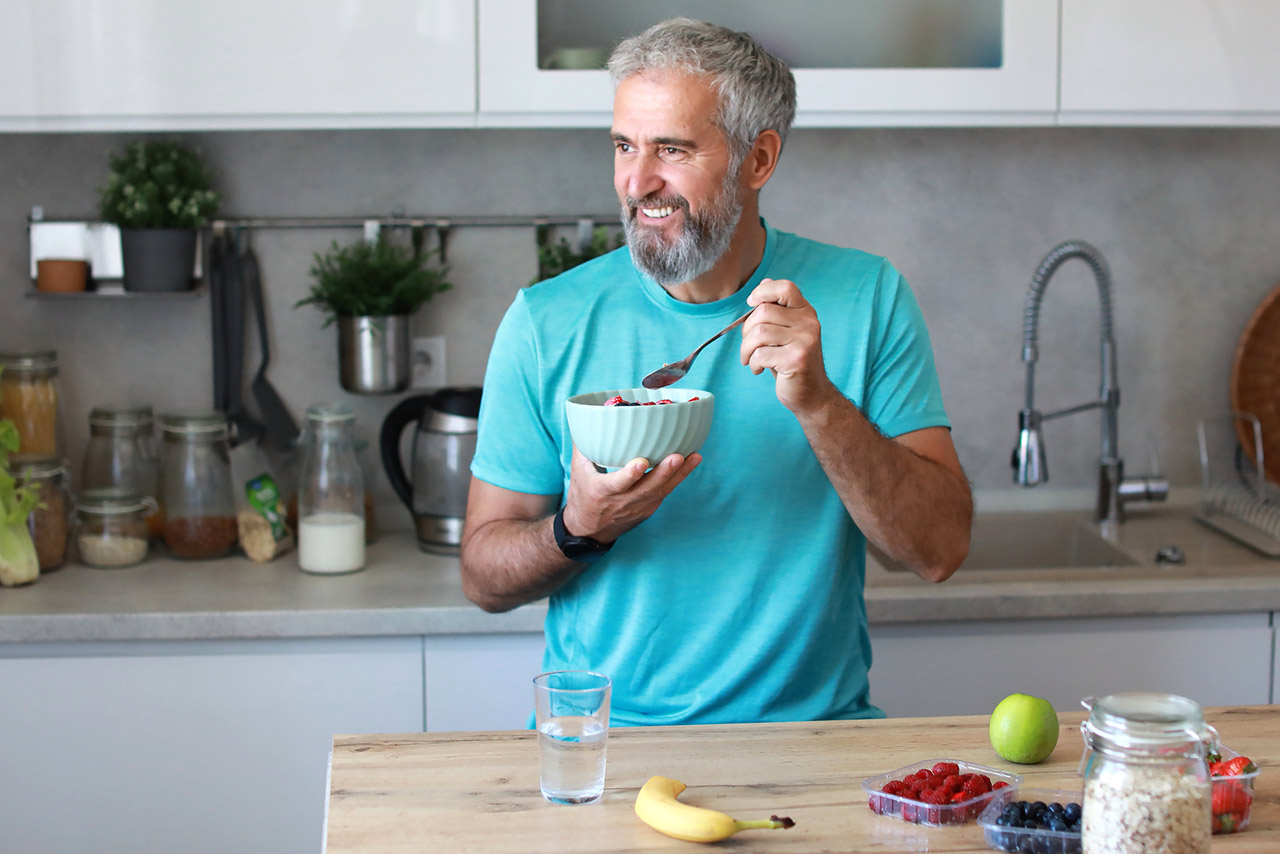
Stock photo of a happy senior mature mid aged man having a healthy breakfast

We all need more vitamins, minerals and fiber in our diets no matter what our age. But as we get older, we may need more. This can be hard for some of us as we naturally don’t have the appetite we once had. Here are some essentials to make sure you’re taking in daily:

Calcium is most important. As you age you start to lose more of this mineral than you absorb. Calcium supports bone health and also muscles, nerves, cells and blood vessels. Women over 50 and men over 70 need 20% more than a younger adult. 

Vitamin D is also necessary to absorb calcium. Sunlight is a good source but as you age your body is less able to convert the sun’s rays, so consider edible sources like salmon, eggs or a supplement. 

B vitamins are essential for our aging bodies and brains. High B6 levels in seniors have been linked to better memory. Fortified breakfast cereal is a good source. B12 helps make nerves and blood cells. Many people over 50 have atrophic gastritis which makes it harder to absorb B12 from food. Antacids and some medications can also contribute to lack of B12. Supplements may be necessary. 

Magnesium is another nutrient older persons may be deficient in. It helps make protein and bone, and it keeps blood sugar stable. Many medications along with long-term health conditions may leave you short of magnesium. Seeds, nuts, and leafy greens are good sources. 

Probiotics are friendly bacteria that can keep your gut healthy and help with diarrhea and IBS. Good food sources are fermented foods like yogurt, sauerkraut and kimchi but supplements may be necessary. Consult your physician, especially if you have a weakened immune system. 

Omega-3s are called essential because your body can’t make them. They are especially important for your eyes and brain health. They may protect against age-related disease like macular degeneration, arthritis and even Alzheimer’s. its best to get it through fatty fish, canola oil, walnuts and flaxseeds.

Zinc is an underappreciated macronutrient. It fights infections and inflammation and helps your sense of smell and taste. Oysters are the best source, but fortified breakfast cereal is another good choice for zinc.

Selenium keeps your thyroid healthy along with protecting cells from damage and infection. It keeps muscles strong and may help prevent certain cancers and dementia. One or two Brazil nuts a day is sufficient. Too much can turn your nails brittle and can cause hair loss. 

Potassium affects almost everything in your body, including your muscles, nerves, kidneys and heart. Most Americans don’t get enough. Good sources are bananas, spinach, dried apricots, milk and yogurt. Consult your doctor before taking supplements as they can interfere with certain medications. 

Fiber is even more important as we age. It can protect against strokes as well as lowering your cholesterol and blood sugar. In addition to keeping you regular. Women over 50 need at least 21 grams and men 30. That’s like 6-8 whole grain servings or 8-10 servings of vegetables. 

Although it’s best to get these nutrients from foods, talk to your doctor about supplements that will work with the medications you’re on. 

Kathleen Weaver-Zech and Dean’s Team Chicago

Back-to-School Home Reset: 12 Simple Ways to Prepare Your Home for a Stress-Free School Year

Mom, girl and happy with school uniform in home getting ready for a school day stock photo

As summer winds down and the back-to-school season approaches, many families are busy shopping for supplies, updating schedules, and preparing for a new routine. But while backpacks and lunchboxes often get all the attention, your home deserves a little preparation, too.

A few simple changes around the house can help reduce morning stress, keep everyone organized, and make the transition into the school year much smoother. Whether you own your home or rent, these easy tips can help create a space that supports your family’s busy schedule.

1. Declutter Common Areas

Take a little time to clear out the spaces your family uses most. Put away summer gear, donate items you no longer need, and organize high-traffic areas like the living room, kitchen, and entryway.

Starting the school year with a clutter-free home can make daily routines feel much more manageable.

2. Create a Drop Zone

Designate one convenient spot for backpacks, shoes, lunchboxes, and jackets.

Hooks, baskets, cubbies, or a small bench near the front door can help everyone know exactly where to leave their belongings—and where to find them the next morning.

3. Refresh Homework Spaces

Whether your child has a dedicated desk or uses the dining room table, create a distraction-free workspace.

Make sure there’s good lighting, comfortable seating, and easy access to school supplies so homework time is more productive.

4. Deep Clean High-Touch Surfaces

The start of school often means more germs coming home.

Take time to disinfect frequently touched surfaces like:

  • Door handles
  • Light switches
  • Kitchen counters
  • Bathroom fixtures
  • Remote controls

A fresh, clean home helps everyone start the season on the right foot.

5. Replace HVAC Filters

With everyone spending more time indoors during homework, cooler evenings, and changing weather, clean air matters.

Replacing your HVAC filter improves airflow, supports indoor air quality, and helps your system run more efficiently.

6. Test Smoke and Carbon Monoxide Detectors

Back-to-school season is the perfect reminder to check smoke alarms and carbon monoxide detectors.

Replace batteries if needed and make sure every detector is working properly. It only takes a few minutes and can provide valuable peace of mind.

7. Restock Household Essentials

Avoid last-minute trips to the store by checking your supply cabinet.

Consider stocking up on:

  • Paper towels
  • Toilet paper
  • Laundry detergent
  • Dishwasher pods
  • Hand soap
  • Cleaning supplies

Busy weeks are easier when everyday essentials are already on hand.

8. Simplify the Kitchen

School mornings move fast.

Organize the pantry, clean out the refrigerator, and create an easy-to-access snack station for after-school hunger.

Prepping a few grab-and-go breakfast items can also make mornings much less hectic.

9. Check Outdoor Lighting

As the days gradually become shorter, families often leave home before sunrise or return after sunset.

Replace burned-out bulbs and make sure walkways, porches, and driveways are well lit to improve visibility and safety.

10. Prepare for Changing Weather

Fall weather can arrive quickly.

Store away pool toys and summer equipment, inspect weather stripping around doors and windows, and make sure umbrellas and rain gear are easy to find when needed.

11. Organize Your Family Calendar

Whether you prefer a paper calendar or a digital app, keep everyone’s schedules in one place.

Include school events, sports, appointments, extracurricular activities, and family commitments to help avoid scheduling surprises.

12. Schedule Seasonal Home Maintenance

Back-to-school season is also a great time to think ahead.

Consider scheduling seasonal maintenance before fall arrives, including HVAC service, gutter cleaning, roof inspections, or other preventative tasks that can help keep your home running smoothly throughout the cooler months.

A Fresh Start Begins at Home

The beginning of a new school year is more than just buying school supplies—it’s an opportunity to reset your home and your routines.

By tackling a few simple projects now, you’ll create a more organized, comfortable, and efficient space for your family. Small improvements today can make busy mornings easier, reduce stress, and help everyone settle into the school year with confidence.

Here’s to a successful school year—and a home that’s ready for it!

THIS WEEKEND IN CHICAGO – An All-Star Chicago Weekend!

Linear banner of Chicago city stock illustration

Filling in for the great Sue Moss this weekend, Chicago hits an All-Star high this weekend with several signature summer festivals (Gospel Fest, anyone?) as well as being the center of the women’s basketball universe as host for the WNBA All-Star Weekend at the United Center! 

Hey, is that Caitlin Clark walking down Michigan Avenue? Look for your favorite WNBA stars, including Angel Reese, Breanna Stewart, Olivia Miles, Paige Bueckers and A’ja Wilson as Chicago plays host to WNBA All-Star Weekend, a premier event in the league’s 30th anniversary season. There’s lots of events around the city: McCormick Place hosts an interactive Fan Festival (Friday and Saturday, 10am-7pm) with player appearances, panel discussions, interactive exhibits and games, and lots of swag; WNBA 3-Point Contest and the WNBA Shooting Stars at Wintrust Arena on Friday, July 24th (7pm), and the WNBA 

Friday exhibition matching 24 top players at the United Center. The 2026 WNBA All-Star Game at the United Center is on Saturday, July 25th (7:30 pm). It’s the second time in four years that Chicago’s hosted this event; this one’s much bigger!

In Millennium Park, Chicago Gospel Music Festival returns for two days, (Friday, 5:45-9pm. and Saturday, Noon – 9pm) at the Jay Pritzker Pavilion. This free inspirational music festival brings audiences of all ages and backgrounds together to celebrate the power of music. Hosted by Inspiration (Radio) 1390’s Sonya Blakey, musical guests include Tasha Cobbs Leonard, Jabari Johnson, Ricky Dillard and New G, Chicago Youth United, Love Fellowship Choir, and Hezekiah Walker. 

Note: Enter Millennium Park at Michigan Avenue & Washington Street, Michigan Avenue & Madison Street, Randolph Street or Monroe Street. 

Wicker Park Fest, (Friday, 5pm-10pm,  Saturday and Sunday from 12pm-10pm) now in its 22nd year, celebrates the eclectic neighborhood’s lively musical heritage, unique businesses and top-notch restaurants. Voted Chicago’s Best Street Festival of the Summer” by the Chicago Tribune, Wicker Park Fest features the festival’s stellar indie music line-up of 50+ emerging local and nationally recognized artists performing original music, including The Frights, the Shannon Shaw Band, and Ovlov. Also featured are 200+ participating small businesses, installations by local artists, a Pet Fest, kid-friendly spaces, and a wide range of local food vendors! Wicker Park suggests a $10 donation, which benefits local community resources. 

The 46th Annual Chinatown Summer Fair  (Saturday 11am-10pm, and Sunday 10am-7pm), on South Wentworth Avenue from Cermak Avenue to 24th Place, calls itself “one of the most ethnically unique free outdoor events in Chicago and the Midwest.” Attracting more than 40,000 people, the fair features musical acts like Too Much Molly, a K-Pop dance competition, Asian performances, kung fu demonstrations, samplings from Chinatown’s restaurants & unique gift shops, arts & crafts exhibits, street vendors with an array of merchandise, and a children’s area. 

Pilsen’s Fiesta del Sol (Friday, Saturday and Sunday, 11am-10pm) takes place on the bustling blocks of Cermak Road between Ashland Avenue and Morgan Street. Chicago’s favorite family-friendly Latino festival is back for its 54rd Annual Celebration. This year’s festival brings together live music and entertainment on multiple stages, local and regional food vendors, carnival rides and games, an Art Expo, Keeping Healthy Expo, and Kid’s Expo, a Citizenship & Immigration Expo, and cultural programming. 

Finally  there’s action abound at Chicago’s baseball parks. With the Cubs out of town on the North Side, the Savannah Bananas take over Wrigley Field with Banana Ball, emphasizing showmanship, fan participation, dance routines, comedic sketches, and quick-paced games. On the  South Side, the first-place Chicago White Sox take on the Houston Astros at Rate Field. 

Here’s to an All-Star weekend for everyone!

Alison Moran-Powers and Dean’s Team Chicago

Neighborhood News: Experiencing The Butterfly House at Navy Pier

Boy looking at butterfly nature stock photo

Imagine this: It’s a warm summer day at Navy Pier, 600 E. Grand Avenue.  As you and your kids walk through the North Lawn, a small, mesh-covered, conservatory-like sanctuary rises in the distance. It’s shaped like the Garfield Park Conservatory, but much smaller. 

As you step into this mini tropical paradise, more than 500 butterflies from every corner of the world greet you…Mexican Bluewings, Forest Owls, Orange Sulphurs, Scarlet Mormons, and  Autumn Leafs, to name a few.

Welcome to The Butterfly House at Navy Pier From May to October, The Butterfly House stands as an immersive exhibit in a safe, family- friendly environment that houses hundreds of live butterflies from all over the world. 

You and your children can learn about the butterfly life cycle, pollination, and conservation efforts through interactive displays and tours, as well as visiting their Pupa Hut, a special viewing area where you can watch butterflies emerge from their chrysalises. 

You can even use feeding wands to attract butterflies to your hands!

Unlike other sanctuaries, you and your children can get up close and personal with these amazing creatures and see their incredible colors and patterns – a few might even land on you!

The best time to visit, they say, is usually late morning to early afternoon, when butterflies are most active and flying around. According to their website, butterflies tend to be slower and less visible early in the morning because they need warmth and sunlight to become active.

How’d They Get So Many Butterflies to Chicago?

As their website notes, the butterflies come from families around the world who raise butterflies. They send chrysalises or pupae that are timed to hatch within a few days of arrival.

After hatching, butterflies fly freely around visitors and often land nearby or right ON the guests!

Some Tips for Your Visit:

Embrace the Heat: Butterfly houses are kept at tropical temperatures (often 80° F or higher) with high humidity. Wear lightweight clothing and consider leaving jackets and extra layers in your car or the venue’s coat check. 

Comfortable Footwear: Opt for comfortable, closed-toe walking shoes. Many conservatories feature mulch, gravel, or paved pathways that require plenty of walking. 

Skip the Scent: Avoid wearing strong perfumes, colognes, or scented lotions. These can confuse the butterflies’ scent receptors and deter them from getting close to you. 

Accessorize Wisely: Butterflies are highly visual creatures. Wearing a bright-colored hat or carrying a colorful accessory might just convince one to land on you for a quick photo!

What if it rains? 

If it’s raining, The Butterfly House closes temporarily until the rain passes. If you purchased a ticket online in advance, please wait until the rain passes to visit…your ticket will still be valid!!

Additionally…

  • Due to space concerns, they can’t accommodate strollers, but they do have a monitored space for stroller parking at the entrance.  
  • No pets or service animals are allowed. Why? Many family pets and service animals are treated with flea & tick products (e.g. Frontline, Nexguard, etc.), and exposure to these treatments can be fatal to butterflies.

Why Are Butterflies So Important to the Environment?

According to InsectLore.com, butterflies play a crucial role in pollination. They primarily feed on nectar using their long proboscis. While feeding, butterflies help flowers by inadvertently transferring pollen grains from flower to flower, aiding in fertilization. 

Additionally, caterpillars and adult butterflies serve as a primary food source for a wide variety of predators, including birds, reptiles, and spiders. This supports a healthy, balanced ecosystem that helps crops thrive and reduces reliance on chemical fertilizers and pesticides.

A Charitable Mission for The Butterfly House 

Admission fees and donations to The Butterfly House at Navy Pier have a global purpose: they support both butterfly operations and the families dedicated to rainforest conservation; this is  crucial for preserving wild rainforests and their native species. These families also help conserve the rainforest, preventing deforestation and providing good jobs to local community members. 

The Butterfly House at Navy Pier is open Friday and Saturday from 9am-8pm, and Sunday – Thursday from 10am-8pm.  For tickets, click here. 

Alison Moran-Powers and Dean’s Team Chicago

Restaurant Review: Wicker Park’s Café Robey’s all-day breakfast celebrates seasonal comfort food, Art Deco roots

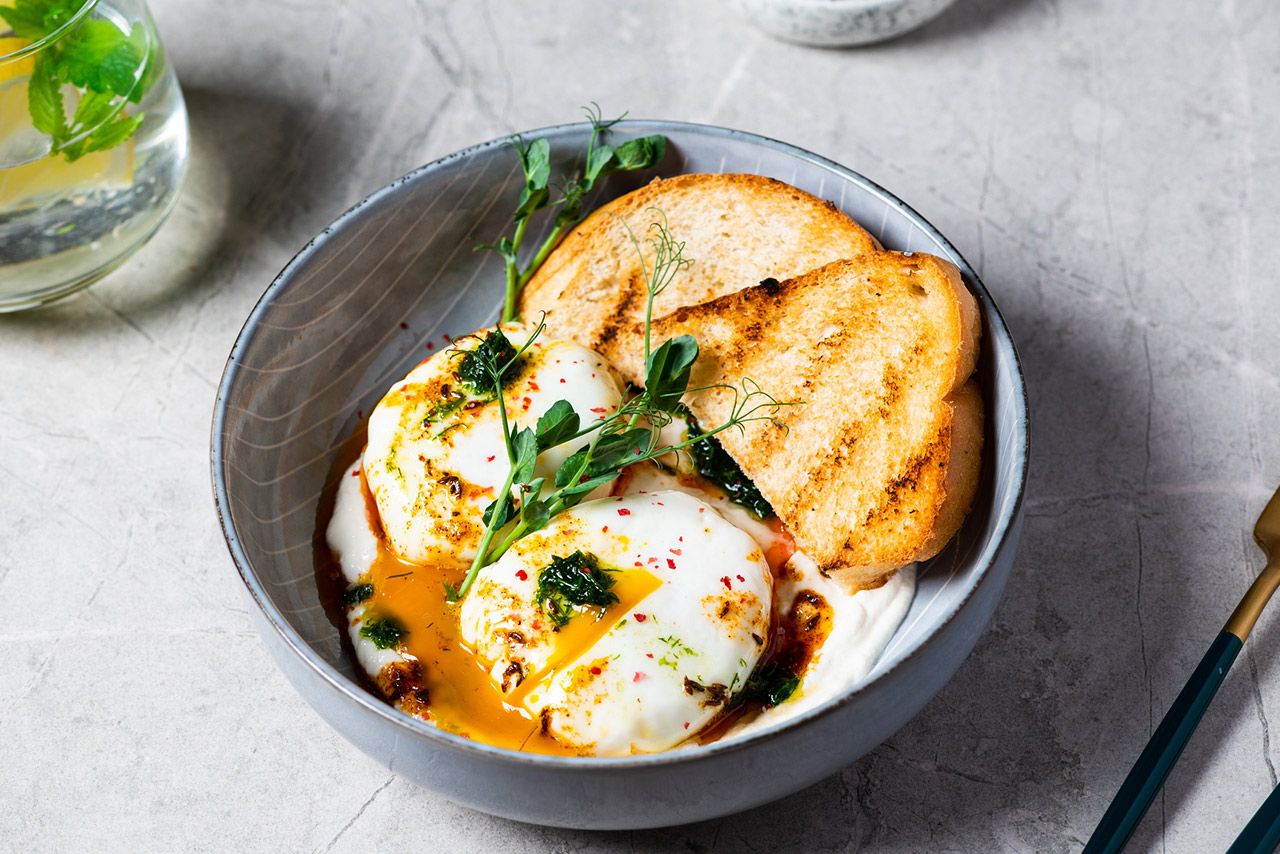
Turkish breakfast in a grey bowl on marble background stock photo

My friend Amanda lives in Wicker Park, and we get together as often as our schedules allow. Recently, we decided to go to the all-day breakfast at Café Robey, on the ground floor of the historic, 12-story, 1920’s-era Art Deco The Robey hotel, to catch up. The resulting meal warranted a full review for Dean’s Team Chicago!

Amanda is a regular at Café Robey, which is just steps away from the Damen Blue Line and The 606 Trail. As she described to me, it really is the place to enjoy artisan coffee, all-day brunch, and cozy indoor seating with free Wi-Fi. They partner with local farms to ensure the freshest of ingredients. 

Café Robey boasts that “every seat is the best seat at Cafe Robey,” with double height ceilings giving way to the streetscape of Milwaukee and North Avenues. 

It’s also a fabulous option for working remotely, with those views and the free WiFi, along with multiple cups of their freshly made artisan coffee and friendly service. 

Settled at one of their cozy tables, with the restaurant decorated for summer in bright yellows and greens, I opted for Turkish Eggs which were an artfully arranged, Mediterranean-inspired taste combination of five-minute eggs, accompanied by aleppo pepper butter, herb garlic yogurt, za’atar (a cornerstone of Middle Eastern cuisine as a popular prepared spice blend), on toasted bread, and artfully topped with greens.

I will absolutely sing hosannas over the moderately spicy tang of aleppo pepper butter mixed with herb garlic yogurt. I suggest dipping portions of the eggs with the butter and yogurt for a tasty-spicy, unique combination of flavors guaranteed to wake up your morning palate. Follow that with a sip of rich, flavorful artisan coffee for a complete wake-up call!

Portioning was just right …the five-minute eggs gave me a great morning dose of protein and helped me feel full the rest of the day, and the garlic yogurt provided a substantial amount of dairy, while the greens rounded out my dietary needs! 

Amanda opted for their Salmon Toast, which featured tangy, citrus-cured salmon, paired with onion cream cheese, pickled onions and peppers on toasted sourdough, with everything spice and dil. The tangy salmon mixed well with the onion cream cheese on nutty, toasted sourdough. 

Like everything else Amanda has sampled at Café Robey, she pronounced it “great!” 

She also opted for one of their special summer drinks…The Daniela, a light, summery mix of Prairie gin, elderflower, hibiscus, and lemon, which Amanda pronounced “refreshing!” Additionally, we recommend their Bloody Mary, which really could double as an an appetizer. Made with gluten-free Three Olives Vodka, this slightly spicy Bloody Mary has a house-made mix, festooned with a large cheese and meat garnish. Highly recommended!! 

I wish we had room to taste more of their brunch (and lunch) creations.  At some point, we’re willing to test out their Banana Bread, unique in that Café Robey uses  brown butter banana bread, pairing it with an almond oat crumble, and  chocolate almond butter.  Or their Yogurt Parfait with honey- lime yogurt, granola, and fresh berries. BLT Eggs Benedict hasa five-minute egg, Boston bibb lettuce, heirloom tomato, bacon lardons, lemon hollandaise, and chives on an English muffin. 

Their Buttermilk Pancakes come with whipped butter, powdered sugar, and for an upcharge, you can add strawberry, blueberry or chocolate. I’m especially curious about their French Toast with citrus custard, whipped mascarpone, peach compote, and a sugar cookie crumble (wow!)

They also feature a unique Carrot & Peach Salad, made with arugula, romaine, peaches, carrots, radishes, tomatoes, and sunflower seeds, in a carrot vinaigrette. Finally, their Duck Hash has potato, poblano peppers, duck confit, charred onions, and sunny side up eggs. 

Amanda and I had no room for dessert this trip, but we’re coming back for their Strawberry Shortcake with a griddled biscuit, whipped mascarpone and fresh strawberries.Or, maybe their Cheesecake, with mascarpone, peach compote, and a white chocolate ganache. Yum! 

Café Robey is located at 1616 N. Milwaukee Avenue  Sunday to Thursday  their hours are 7am-9pm, and Friday -Saturday from 7sm-10pm. Reservations are HIGHLY recommended  and can be made by clicking here  

Alison Moran-Powers and Dean’s Team Chicago

Chicago Home and Lifestyles – 8 myths about cleaning

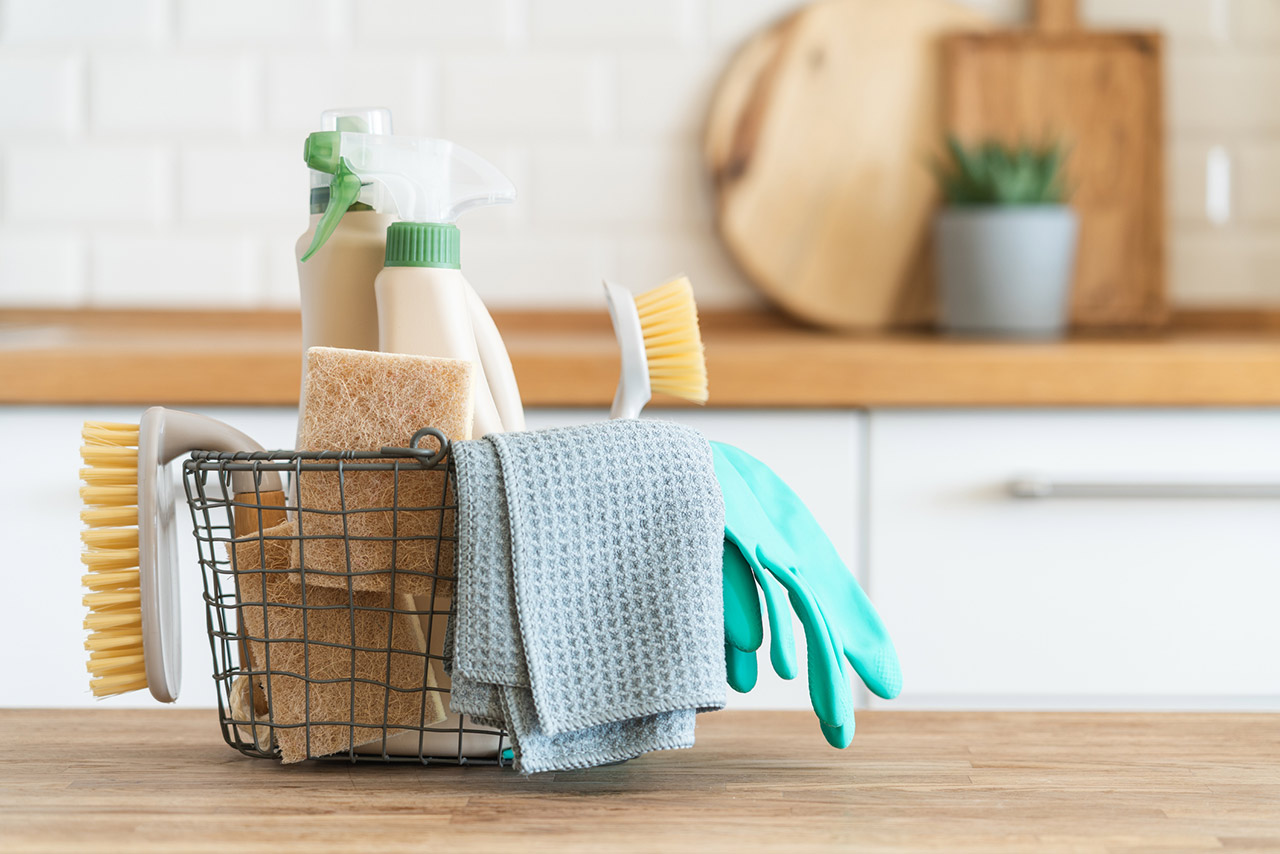
Basket with brushes, rags, natural sponges and cleaning products stock photo

Unfortunately, many of the things we learned as kids about cleaning and cleanliness are just plain wrong. In fact, some of it can make things worse! So, which are true, and which are myths? Let’s find out:

Myth 1: Using more of a product means better cleaning. Too much cleaning product means leaving behind more residue that traps dirt and makes surfaces dull. It doesn’t matter whether it’s laundry detergent, dish soap or floor cleaner – extra soap doesn’t rinse fully and holds onto grime and can irritate your skin. 

Myth 2: If something looks clean, it is clean. Bathroom and kitchen sinks are a great example. Most people spray and wipe off immediately. All products need time to work. Let the cleaner sit for at least five minutes, then wipe. 

Myth 3: Disinfectants work instantly. This is the same as cleaners. Disinfecting needs two things: a clean surface and contact time. Check labels for the contact time needed. Let the surface stay visibly wet for that time before wiping.

Myth 4: Natural cleaners or those made at home are always better. Some are ok for light cleaning, but natural doesn’t always mean effective or even safe. Vinegar, for example, can damage certain surfaces and it’s not quite the disinfectant that people think. Know what you are cleaning and make sure your homemade solution is appropriate. 

Myth 5: You must wash clothes after each wearing. Not true! Besides driving up your water bill, washing too often wears down fabric, detergent and electricity. So, unless clothing is visibly sweaty, smelly or dirty it can be worn multiple times. 

Myth 6: Sponges are full of bacteria and should be thrown out immediately after use. Bacteria only builds up if a sponge is used for too long. They need to be sanitized every few days. Either run them through the dishwasher or microwave them while damp for 60 seconds. 

Myth 7: Paper towels are the best thing to use on glass and mirrors. Microfiber towels are better. They remove and hold onto dirt better than paper. They leave few streaks and are more effective. They are reusable and create less waste. 

Myth 8: What product you’re using is the most important. Technique matters most. Be sure to use the right amount and give products time to work. Using proper tools, scrubbing motions and contact times will make even basic products work well. 

Kathleen Weaver-Zech and Dean’s Team Chicago

The $500 Fix That Could Add Thousands to Your Home’s Value

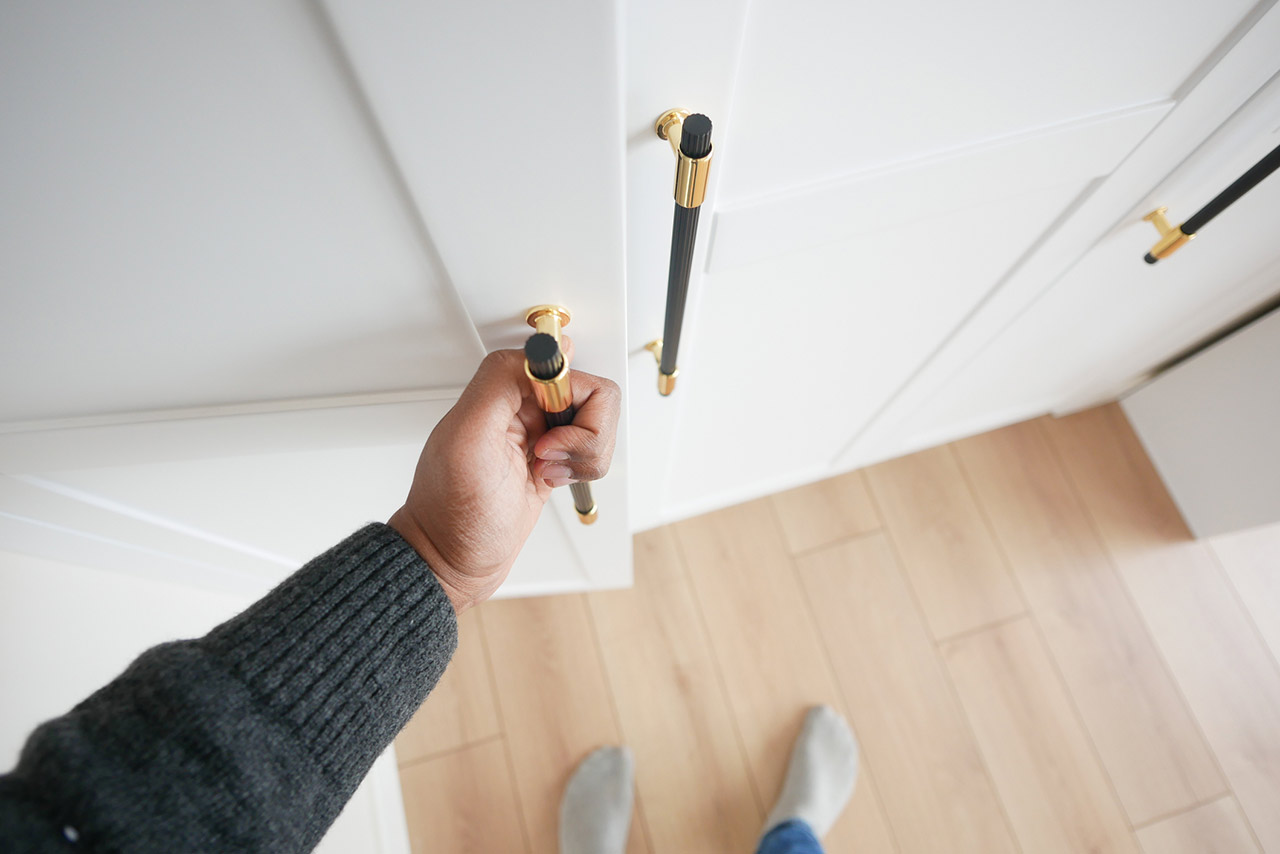
Hand opening bedroom cabinet door stock photo

When homeowners think about increasing their home’s value, they often picture major renovations like kitchen remodels, bathroom upgrades, or room additions. While those projects certainly have their place, they also come with hefty price tags.

The good news? You don’t have to spend tens of thousands of dollars to make a meaningful difference.

Sometimes, the smartest investment is simply making your home look newer, brighter, and better cared for. For around $500—or even less—you can complete several improvements that instantly boost curb appeal, create a stronger first impression, and make buyers feel more confident about your home.

Start at the Front Door

First impressions begin before buyers ever step inside.

A freshly painted front door in a timeless color, a modern house number, updated exterior lighting, and a new welcome mat can completely transform your home’s entrance. Add a pair of potted plants or seasonal flowers, and suddenly your home feels warm, inviting, and well maintained.

These simple upgrades often cost only a few hundred dollars but create an impression that lasts throughout the showing.

Give Your Walls a Fresh Start

Paint remains one of the highest-return improvements any homeowner can make.

Over time, walls collect scuffs, fading, and everyday wear that can make an otherwise beautiful home feel tired. Repainting the main living areas in light, neutral colors instantly brightens the space and helps buyers imagine themselves living there.

Fresh paint also sends a subtle message that the home has been well cared for.

Replace Outdated Hardware

Small details make a surprisingly big difference.

Swapping dated cabinet pulls, drawer handles, faucets, or door hardware with modern finishes like matte black, brushed nickel, or champagne bronze can give kitchens and bathrooms an updated look without replacing cabinets or countertops.

It’s one of the easiest ways to make an older home feel current.

Upgrade Your Lighting

Lighting has a huge influence on how a home feels.

Replacing an aging dining room fixture, installing a stylish entry chandelier, or updating builder-grade bathroom lights can dramatically improve the look of your home.

Warm LED bulbs throughout the house also make rooms feel brighter, larger, and more welcoming while reducing energy costs.

Refresh the Landscaping

You don’t need an elaborate landscape design to impress buyers.

Fresh mulch, trimmed shrubs, colorful flowers, neatly edged walkways, and a healthy lawn instantly communicate pride of ownership. Even spending a Saturday cleaning up overgrown landscaping can significantly improve curb appeal.

Many buyers begin forming opinions before they even park the car.

Deep Clean Like You’re Moving Tomorrow

One of the most valuable “upgrades” costs more in effort than money.

Professionally cleaning carpets, washing windows, scrubbing grout, polishing floors, and removing dust from overlooked areas can make an older home feel newer. A sparkling clean home photographs better, shows better, and leaves buyers with confidence that the property has been properly maintained.

Sometimes cleanliness is more valuable than a renovation.

Focus on What Buyers Notice First

Most buyers don’t walk through a home with a calculator. They walk through with their emotions.

They’re asking themselves questions like:

  • Does this home feel cared for?
  • Can I picture myself living here?
  • Will I have to tackle a long list of projects after moving in?

Small improvements help answer those questions before they’re ever spoken aloud.

Small Investment, Big Return

A $500 budget probably won’t build a new kitchen—but it can create the kind of first impression that helps buyers fall in love with your home.

Whether you’re planning to sell next month or simply want to protect your investment for years to come, focusing on affordable, high-impact updates is one of the smartest moves you can make.

If you’re wondering which improvements will have the biggest impact for your specific home and neighborhood, I’d be happy to help you prioritize projects that maximize your return before you ever put your home on the market.

THIS WEEKEND IN CHICAGO – A Jam-Packed Summer Festival Weekend!

Summer Festival Holiday Banner Design with Retro Waving 3d Typography

This weekend is literally jam-packed with amazing summer festivals and other events that you’ll be hard pressed not to find something to do.  So, get out there and enjoy Chicago’s summer before it’s gone!

One of Chicago’s most anticipated summer festivals the Taste of River North™ will wrap-up this Saturday (11 a.m.-10 p.m.) on Wells Street between Ontario Street and Chicago Avenue.  This popular street festival features signature dishes from some of the city’s top restaurants offering a diverse range of flavors that reflect the culinary diversity of this neighborhood’s dining scene; an electrifying lineup of live music with high-energy performances from local bands; browse local art vendors and discover unique crafts; explore and partake in interactive experiences; or enjoy kid-friendly activities in the dedicated family-friendly area.  Come join the celebration!

The grills are firing up again for the Roscoe Village Burger Fest this Saturday and Sunday (11 a.m.-10 p.m.) at Belmont and Damen Avenues in the Roscoe Village neighborhood.  This beloved tradition brings together top Chicago eateries serving up their juiciest and most creative takes on the classic burger.  In addition, there are two stages of live music; art & crafts of locally made goods sold by talented artists and vendors; an action-packed Kids’ Zone; and more.  Don’t miss the hottest burger festival in the Midwest!

Did you know that Malt Row is one of the most prolific craft brewing communities in the country and it’s right here in Chicago?  Enjoy beers from Malt Row breweries, KOVAL distillery cocktails, and special tapping’s at Ravenswood on Tap this Saturday and Sunday (12 p.m.-8 p.m.) at Ravenswood and Berteau Avenues.  This outdoor festival also features live music; delicious street food; local artists and artisans; mini golf with PutterBird; Wine Tastings with Vin312 Winery; Swordplay demos from Chicago Swordplay Guild; and more.  It’s all about keeping it local!

Enjoy a full-scale beach festival as North Avenue Beach (1600 N. Lake Shore Dr.) in Lincoln Park becomes Volleywood this Saturday (11 a.m.-8 p.m.).  There will be nonstop DJ performances, full-service bars, food vendors, and curated spaces to just explore and relax.  Plus, there’s dancing in the sand, beach volleyball and games on open play courts, a high-energy crowd, nonstop beach vibes, and more from start to finish.  After all, its peak Chicago summer, and all in one place!

Here are other festivals for your weekend enjoyment:

Summer Wine Fest: Flights of Fancy this Saturday (7 p.m.-10 p.m.) at Lincoln Park Zoo.

West Fest Chicago this Saturday and Sunday (12 p.m.-10 p.m.) on Chicago Avenue between Wood Street and Damen Avenue in the West Town neighborhood.

Tacos y Tamales Festival this Saturday and Sunday (12 p.m.-10 p.m.) on Blue Island Avenue (southwest of Ashland Ave. & Cermak Rd.) in the Pilsen neighborhood.

2016 World Series Anniversary Celebration this Saturday (10 a.m.-1 p.m.) at Wrigley Field (1060 W. Addison St.) in the Wrigleyville neighborhood celebrating the 10th anniversary of their 2016 World Series championship.

Sue Moss and Dean’s Team Chicago

Neighborhood News: Near West Side’s historical Maxwell Street Market celebrates the birthplace of Maxwell Street Polish, Chicago blues, community

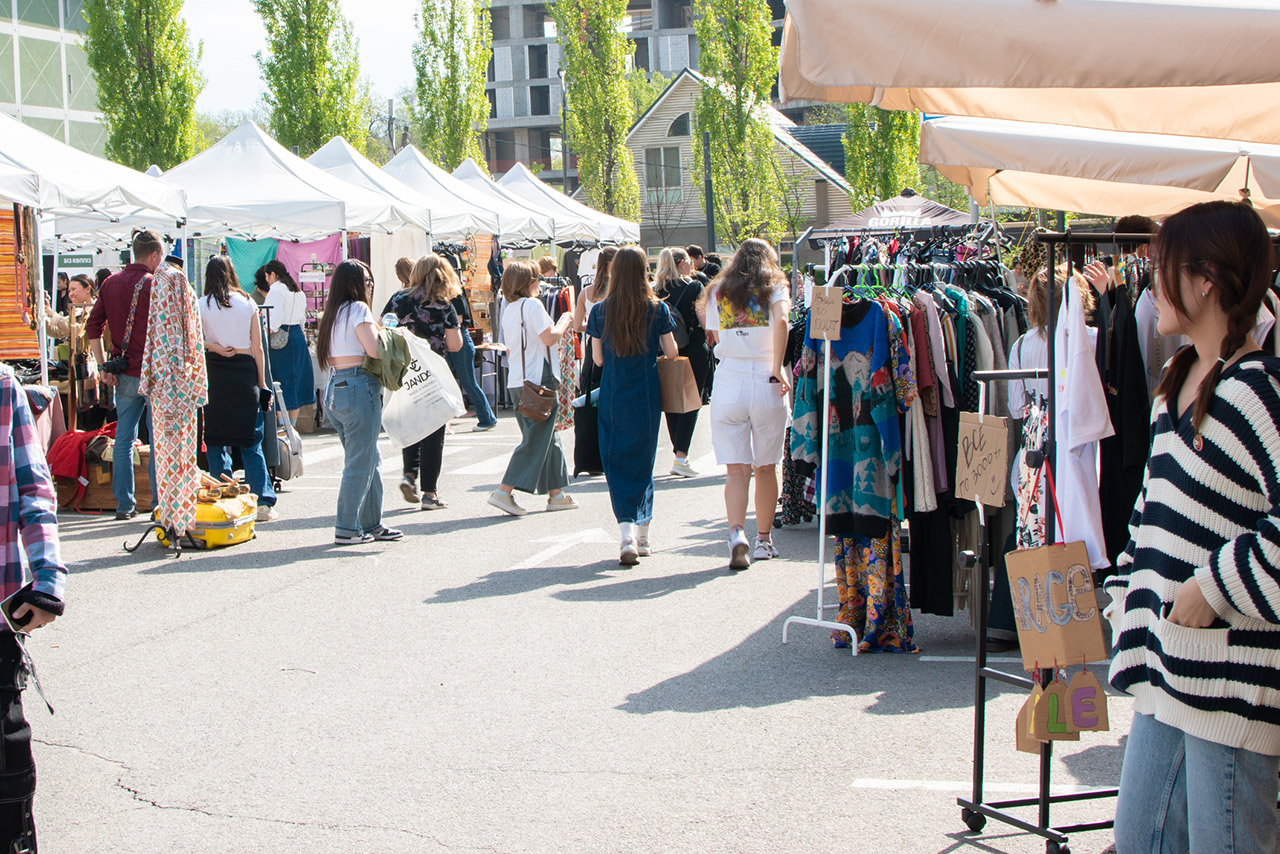
View of the city fair of interesting antiques with people stock photo

For more than 100 years, the Maxwell Street Market, between South Halsted Street and South Union Avenue, has featured an eclectic mix of arts, crafts, resale items, live music, and street food.

Located just south of the University of Illinois Chicago (UIC) campus, the area, as the City of Chicago’s website notes, is widely celebrated as the birthplace of Chicago blues and is famous for its open-air bazaar, eclectic food stands, and immigrant history.

With markets coming up on Sunday, July 19, Sunday, August 9, Sunday, September 13 and Sunday, October 4, from 10 am-3pm, there’s plenty of time to enjoy an eclectic mix of foods and finds—including handmade crafts, resale housewares, clothing, and much more. 

And there’s interactive entertainment! On Sunday, July 19, from 11am- 3pm, SummerDance at Maxwell Street features dance lessons taught by professional instructors and music in the open air as part of Chicago SummerDance. At 11am, they’ll feature Salsa, followed by Cha-Cha. At 1pm, Teatro Tariakuri Dance and Theatre Performing Arts  features the Cumbia, and at 1:30 pm, music for Salsa, Cha-cha, and Cumbia.

Throughout the market, live entertainment and programming from cultural partners are featured, as well as incorporating businesses and restaurants including several “Maxwell Street originals” like Express Grill, Hashbrowns, Jim’s Original Hot Dog, Lalo’s Mexican Restaurant and Bar Louie.

The ‘Ellis Island of the Midwest’

Originally, Maxwell Street was a wooden plank road that ran from the south branch of the Chicago River West to Blue Island Avenue. According to Choose Chicago, Maxwell Street first appeared on a Chicago map in 1847,  named for Dr. Philip Maxwell, an Army surgeon who went on to become the State of Treasurer of Illinois.

The Original Maxwell Street Market was an impromptu market established in the late 19th century by newly arrived Jewish residents from Eastern Europe. On the Near West Side, according to Brittanica.com, Italian, Greek, and Jewish immigrants built communities and established businesses to cater to the local residents. Customers were able to haggle for goods in their own languages using Old World customs.

Maxwell Street Market was officially recognized by the City of Chicago in October 1912. As the website notes, before 1920 the Maxwell Street Market was believed to be the third-largest grossing retail district in Chicago. The market boasted a variety of vendors who sold everything from produce to appliances and animal feed, plus clothing and housewares. 

As the Brittanica.com website notes, the streets were initially filled with Klezmer music, brought from Eastern Europe by Jewish immigrants. As the neighborhood changed, so did the music. When economic decline in the American South after World War I caused many Delta Blues and Jazz musicians – notably Louis Armstrong – to migrate north to Chicago, the first economically secure class willing to help them was the mostly Jewish merchants of the area around Maxwell Street, who by that time were able to rent or own store buildings. 

In the 1930s and 1940s, Maxwell Street became known as a place where many black musicians, who migrated to Chicago from the segregated South, could be heard by the greatest number of people. The musicians quickly realized that they needed amplifiers or electrical instruments in order to be heard over the barking vendors and noisy crowds. The resulting amplified and distinct Chicago blues sound was made famous by practitioners such as Muddy Waters, Junior Wells, and Bo Diddley—the latter of whom played on Maxwell Street with his band, the Hipsters. 

One of the early food vendors at the market included Jim’s Original, which started serving hot dogs in 1939 and created the now-iconic Maxwell Street Polish sausage sandwich—a grilled Polish sausage with grilled sweet onions and smear of mustard—in 1943. Other immigrant groups, such as Mexican immigrants who began arriving in the mid-1910s, further diversified the sights, smells, and sounds of the market.

By the 1950’s and 60’s, with Chicago retailers expanding to the suburbs and Chicago residents fleeing to the suburbs, as well as  expansions of the University of Illinois at Chicago and Dan Ryan Expressway, Maxwell Street Market fell by the wayside and into disrepair. 

That said, Maxwell Street was featured in the 1980 film The Blues Brothers, portrayed as a thriving African-American community, with John Lee Hooker playing his song “Boom Boom.

In 1994, the Maxwell Street Market was moved by the City of Chicago to accommodate expansion of the University of Illinois at Chicago. It was relocated a few blocks east to Canal Street and renamed the New Maxwell Street Market. It was moved again to Des Plaines Avenue in September 2008, and finally experienced a renaissance in 2024 with a return to its original spot. 

Today, Maxwell Street Market is easily available by public transportation. Take the CTA Blue Line to the Halsted Street station, or the #8 Halsted Street bus and the #12 Roosevelt Street bus. For more information  click here.

Alison Moran-Powers and Dean’s Team Chicago