THIS WEEKEND IN CHICAGO – May Brings Mexican Pride, Floppy Hats & Mint Juleps!

Vector colorful lettering, cartoon avocado character enjoying tex mex nachos

Look who has arrived this weekend – May!  And to start this month off with a bang, May has brought with her some Mexican pride as well as floppy hats and mint juleps so we can join in on the exciting weekend she has planned for us!

Chicago is the place to eat and drink your way through Cinco de Mayo, which is this Monday; however, some festivities are taking place this weekend.

Come experience an authentic cultural celebration at Global Connections: Mexico Fest this Saturday and Sunday at Navy Pier (600 E. Grand Ave.) in the Streeterville neighborhood.  This fest features amazing music, dance, performances, art, and more.  Plus, don’t miss the captivating Public Art Photo Exhibition by Jorge Sanchez who shares a visual journey to celebrate the vibrant spirit of Mexican culture.  Best of all, it’s a free celebration for everyone!

Get ready for the ultimate Cinco De Mayo Bar Crawl Fiesta this Saturday (4 p.m.-11 p.m.) at PB&J: Pizza, Beer & Jukebox (205 N. Peoria St.) in the West Loop.  Enjoy a day packed with festive fun as you and your friends celebrate the vibrant culture of Cinco de Mayo in style.  It’s going to be a wild night of partying and a bar crawl you’ll experience like never before!

Time to prepare for an unforgettable day of drinks, music, and good times at yet another Cinco De Mayo Bar Crawl this Saturday (4 p.m.-1 a.m.) beginning at Bourbon on Division (2050 W. Division St.) in the Wicker Park neighborhood.  Dress in your best festive attire, along with a sombrero, as you embark on this bar crawl journey to visit the city’s most popular bars as well as enjoying delicious Mexican-inspired cocktails and traditional drinks.  It’s an exciting event you don’t want to miss!

Voted Chicago’s finest Cinco de Mayo weekend bar crawl for 3 years in a row, get ready to fiesta like never before at Joy District’s Cinco De Mayo Bar Crawl Party 2025 this Saturday (8 p.m.-2 a.m.) located at 112 West Hubbard Street in the River North neighborhood.  Celebrate Cinco de Mayo like you mean it with a night full of tequila, tunes provided by live DJs, and non-stop party vibes at 4+ River North hot spots.  Shots, music, and Chicago madness, what more could you want!

Prepare for a day of floppy hats and mint juleps as Chicago establishments bring you their version of being in Kentucky for the Kentucky Derby with the following watch parties.

Enjoy derby day at the Happy Camper Rooftop (3458 N. Clark St.) in the Wrigleyville neighborhood this Saturday (3 p.m.-6 p.m.) for their Kentucky Derby Watch Party.  Partake in the high energy with a white claw or a mint julep in hand as you tune into the races!

Here’s a link to other Kentucky Derby Watch Parties in Chicago!

Lastly, the Chicago Spring Market returns to the Artifact Events Center (4325 N. Ravenswood Ave.) in the Lakeview neighborhood this Saturday and Sunday (11 a.m.-5 p.m.).  Once again, this event brings together 95+ independent makers specializing in art, design, fashion, home décor, and more.  In addition, attendees can participate in DIY activities, take photos at the artists’ photo walls, enjoy delicious food and drinks, and fill their free tote bag with goods from small businesses.  Bring your whole family along, as children under 12 are free and friendly pets are welcomed as well to this amazing event!

Sue Moss and Dean’s Team Chicago

Neighborhood News: Stickney’s Hawthorne Race Course a Chicago family-owned treasure for 134 years

Horse racing stock photo

As Americans throughout the country raise mint juleps in honor of the Kentucky Derby at fabled Churchill Downs this weekend, Chicagoans have their own historic horse track open this weekend–Hawthorne Race Course, 3501 S. Laramie Avenue, the oldest continually family run race track in the country.

History of Horse Racing in Chicago 

Hawthorne Race Course is literally, the last course standing in an area that was peppered with race tracks since the early 1830’s.  

According to the Encyclopedia of Chicago History, in 1840, a jockey club was formed. The club built a harness racing course near Indiana and 26th four years later. In 1854 the Garden City track was opened, followed one year later by John Wentworth’s Brighton Park. In 1864, Dexter Park was established at 42nd Street and Halsted, and in 1878 the West Side Driving Track was opened adjacent to Garfield Park for both harness and thoroughbred racing.

By the 1930s, Chicago’s six horse racing tracks numbered more than any other metropolitan area. 

Hawthorne Race Course History 

Racing in turn-of-the-century metropolitan Chicago was very tenuous. In 1891, after Edward Corrigan’s lease expired at West Side Track, he relocated to his new Hawthorne Race Track in Stickney to avoid “political harassment.”

As the owner of 1890 Kentucky Derby winner Riley, according to Twinspires Horse Racing. Corrigan knew what kind of racetrack would make a winner. He finished construction of a brand new race course and grandstand, kicking off opening day with a five-race card that included the Chicago Derby.  

Corrigan earned the nickname “The Master of Hawthorne.”  The Daily Racing Form, according to Wikipedia sources, called him “the man who at one time controlled more racing property and owned a greater stable of horses than any other turfman of his time.”

However, in 1905, horse racing was banned in Chicago, leading to the closure of Hawthorne. The field was used briefly by pioneer aviators Victor and Allan Haines Loughead in 1910 to fly a powered Montgomery glider and a Curtiss pusher.

The current owners, the Carey Family, became involved when Thomas Carey purchased the race course in 1909. Carey struggled to keep the course open with increased pressure from local police and sheriffs, but he managed to hold meets sporadically. 

Wikipedia sources report that in 1922, the track reopened legally for a 13-day race. In 1923, the meet expanded to 25 days. The Chicago Business Men’s Racing Association took over racing operations in 1924 and ran a 52-day meet in the fall. This same year a new clubhouse was constructed at Hawthorne, and a form of parimutuel betting was introduced.

In 1927, the track began to gain national promenance with the introduction of the Grade III Hawthore Gold Cup Handicap, previously won by Breeders’ Cup Classic winners Awesome Again and Black Tie Affair, as well as Breeders’ Cup Turf winner Buck’s Boy.

The track introduced daily double wagering to Chicago and used a new infrared timer in the early 1930s, taking over the racing dates of Lincoln Fields Race Track as well as racing earlier in the spring. The track also introduced races restricted to Illinois-bred horses.

Robert F. Carey took over as managing director of Hawthorne in 1947 and held that post until his death in 1980. His son, Thomas F. Carey, assumed the role of President and General Manager until 2005, when his nephew, Tim Carey, was named President and General Manager.

A multi-million dollar renovation was completed in 1998. The new look for Hawthorne included the addition of four new party rooms, plush outdoor box seats with individual television monitors, a full-service food court, a new tele-timer system, new floors and ceilings, and a new lighting system to accommodate evening harness racing.

Part of the grandstand was demolished to make way for a Racino (racing casino), an ongoing project.

Hawthorne Race Course Today 

Hawthorne Race Course has earned the distinction as the only race course in the nation to host both Thoroughbred and Standardbred racing. They also operate Illinois’ largest network of off-track betting bars, which features two PointsBet Sportsbooks, in addition to a sportsbook at the track.

Over the years, Hawthorne has also expanded its breadth of events by adding turf racing, harness racing, and occasionally quarter-horse races.

This was possible because the track has a one-mile (1.609 km) dirt oval and a seven-furlong (1.408 km) turf course. The main track’s home stretch is 1,320 feet, the third longest of any dirt track in the United States.  

However, this leads to the turns being unusually tight: On the dirt oval, the turns are just 1,136 feet long — and on the turf course, 806 feet — the tightest turns of any turf course in the United States.

Chris Block, president of the ITHA and Hawthorne’s top-earning trainer last year, told Horse Racing Nation last month that “The surface is one of the best in the country to train on and race on.”

Hawthorne also runs the ungraded Bill Hartack Memorial Handicap, which was inaugurated in 2008 and was originally called the National Jockey Club Handicap, as well as the Hawthorne Derby.

Hawthorne Race Track is open Saturday and Sunday, 11am – 6pm, Monday-Wednesday, 11am–4pm, and Thursday and Friday, 11am – 5pm. For more information, click here.

Alison Moran-Powers and Dean’s Team Chicago
Restaurant Review: Is Rate Field really the ‘World’s Largest Restaurant?’

The exterior of the MLB's Chicago White Sox's Guaranteed Rate Field

“Let’s just rebrand the ballpark to the world’s largest restaurant…”

Reddit user, 2025

In 2025, the Chicago White Sox are celebrating 125 years as an organization, and 20 years since its last World Series win. 

Over the years, the baseball game on the field has had its ups and downs, but the consistency and innovation at Rate Field (forever aka, White Sox Park or Comiskey Park) has always been in their food…imaginative, creative, and celebratory of all things Chicago!

Every baseball season, I’ve lived in anticipation of what the White Sox will come up with next. Will there be a new Helmet Sundae for me to try?(Maybe with churros?) 

Last year, as the Sox Machine blog noted, the Campfire Milkshake buoyed up a dismal season on the field, helping drown sorrows and provide comfort with a major sugar rush and a souvenir cup to take home. 

This year, the White Sox introduced the Celebration Cake Shake, honoring the organization’s 125 years with a colorful explosion of birthday cake ice cream, blended with confetti cake and paired with a cookie that looks like one of the famous pinwheels in center field. It’s available at the Topo Chicago Hard Seltzer Cantina, and you can take this souvenir cup home with you, proudly displaying a 125th Anniversary logo.

At Dean’s Team Chicago, we’re focusing on food available in the stands rather than the Stadium Club, since access to the club is limited. 

Get ‘Lucky’s’ in Section 154

A new stand this year is Lucky’s. Lucky’s logo, as Eater.com notes, features a beckoning cat, a symbol of luck with Japanese origins but celebrated throughout Asia.  (NOTE: May it help the White Sox in 2025!)

As an ode to nearby Chinatown and Chicago’s vibrant Asian culture, the White Sox introduced a line of Korean hot dogs, which differ from American corn dogs primarily in their batter and toppings. Korean versions typically use a yeasted wheat flour batter (sometimes with mochi flour) and may be coated in panko breadcrumbs, potatoes, or even Cheetos. They are also known for being dipped in sugar and drizzled with ketchup and mustard. 

This ain’t no Chicago dog!

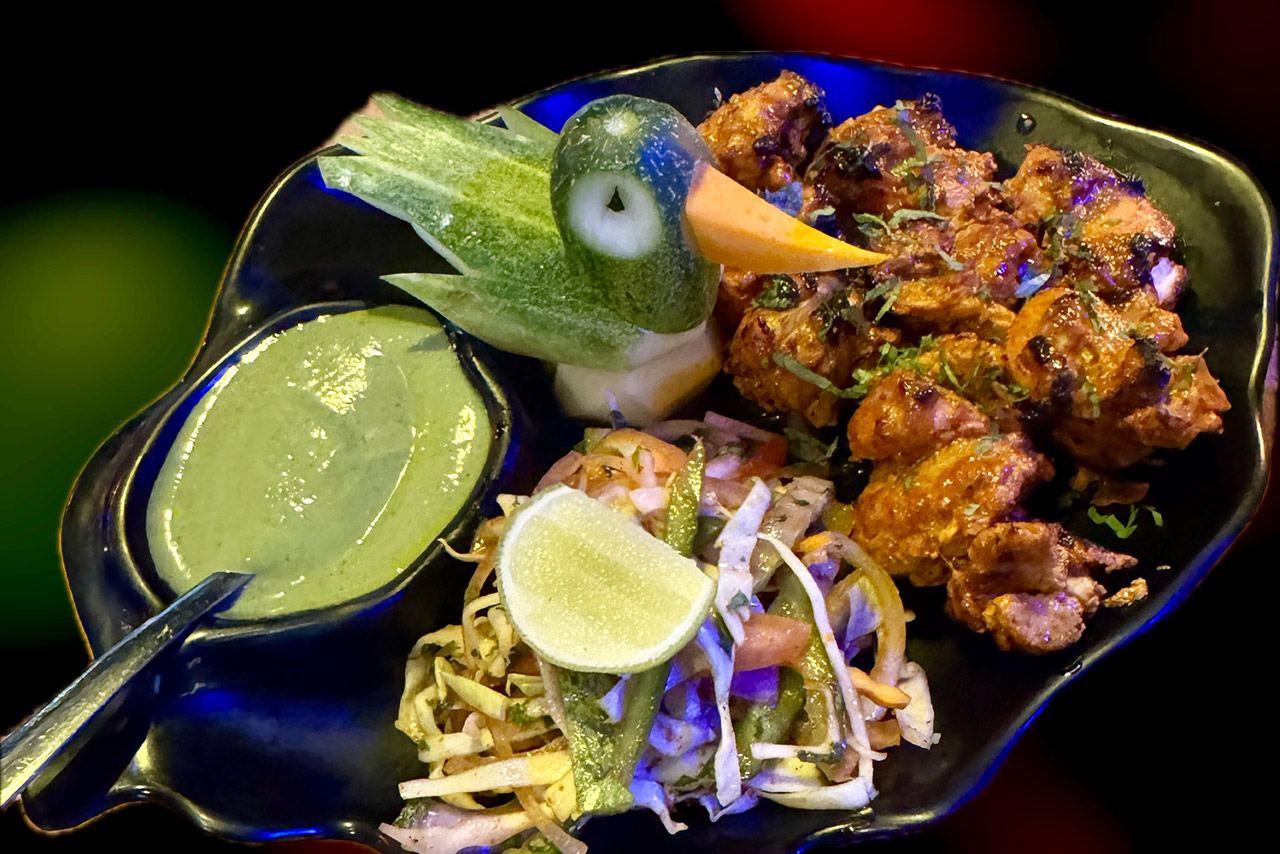
At Rate Field, try Lucky’s El Diablo (literally, ‘the devil’) featuring mozzarella cheese, Flaming Hot Cheetos, sambal mayo, and Fu Sauce. Cool off with their All American, a Vienna Beef hot dog rolled in Frosted Flakes and served with ketchup and mustard. 

Papas Freedom is a Vienna all-beef hot dog with hash browns and barbecue sauce.

Stadium Nacho pairs a Vienna all-beef hot dog with Tostitos tortilla chips, stadium cheese and pickled jalapeños.

Finally, the Unicorn Dog comes with marshmallows, Fruity Pebbles, and condensed sweet milk. Dessert and main course on a stick?  Sure!

They’re also serving a choice of Bubble Waffles. The firstis Gojujang (red chili paste) with crispy chicken, Gojujang honey, and toasted sesame seed. Then, there’s the Changeup with vanilla ice cream, black sugar boba, ginger, mocha syrup, served with a pirouline cookie. 

For another savory-sweet Bubble Waffle twist, try Sweet Chili,  which has crispy chicken, sweet chili sauce and peanuts.

And before we leave Section 154, try the Chili Crunch Noodles, tossed with green onions, cilantro and peanuts. A nice alternative to potato chips! 

Fuku Chicken in Section 110

As Eater.com notes, Fuku is a popular chicken sandwich chain started in 2015 in New York City by David Chang, a spinoff of the superstar chef’s Momofuku empire. According to source materials, New York fans at Citi Field and other venues stood in long lines for this special treat. Thanks to Chicago White Sox food partner Delaware North, Fuku is offering their tasty chicken in a few different forms in Section 110:

First, there’s the OG Sando, a crispy, habanero-brined chicken sandwich.

The OG Tenders are three pieces of crispy chicken tenders with a choice of Fuku mayo or miso scallion ranch dressing.

There’s also Waffle Fries, which will prove to be a perfect side to pair with the spicy flavors of Fuku Chicken.

A Bargain Meal-$5 Tuesdays 

Yes, in these difficult financial times, the Chicago White Sox are looking out for you! All fans attending Tuesday home games will enjoy additional savings through the $5 TUESDAY concessions menu, which includes $5 Miller or Modelo draft beers, Vienna Hot dlDogs or Polishes, Beggars Pizza, nachos, select Coca-Cola products* or Garrett Popcorn Stadium Buttery. (NOTE: excludes July 25 vs. Chicago Cubs.)

Some product restrictions apply. For more information, click here.

Chicago Home and Lifestyles – Best banana bread recipe

Banana Bread Loaf Sliced On Wooden Table

I think banana bread is one of the most delicious quick breads you can make. It’s also among the easiest! Chances are you have all the necessary ingredients in your pantry and fridge, and what’s great is that you can do any number of ingredient swaps and still end up with delicious bread. With just a few overripe bananas you’ll be enjoying your bread (or muffins!) in around an hour.

Ingredients

  • Cooking spray 
  • 8 tablespoons (1 stick) unsalted butter, margarine or oil
  • 1 cup granulated sugar (or sugar of choice)
  • 2 large eggs 
  • 1/4 cup of milk of your choice 
  • 1 teaspoon vanilla extract 
  • 3 medium bananas, very ripe (the bananas should fall apart when you peel them!)
  • 2 cups all-purpose or ½ wheat  flour 
  • 1 teaspoon baking soda 
  • 1/4 teaspoon salt 
  • 1/2 cup chopped nuts or chocolate chips (optional)

Steps

—Mash the bananas into a smooth pulp (or you can leave a few chunks if you like). 

—For denser bread, melt your butter in the microwave then add sugar and whisk until combined.  For a finer texture of bread, you can “cream” it. To cream butter, let it soften at room temperature and then beat it together with sugar until it’s smooth and fluffy. Pro-tip: I like to do the mixing by hand because it dirties fewer utensils, but you can also use a stand mixer!

—Heat your oven to 350 degrees Fahrenheit. 

—Line a 8X5-inch loaf pan with parchment, making a sling. Spray with cooking spray. 

—Add eggs and whisk until the mixture is smooth. Whisk in the milk and vanilla, then add the mashed bananas. 

—Combine the flour, salt and baking soda. Add to the wet ingredients and gently stir with a spatula until they are just barely combined, and no dry flour is visible. Don’t overmix! 

—Fold in roasted nuts, and or chocolate chips, if you have them!

Pour into the prepared pan and smooth the top. Bake 50-65 minutes until a toothpick inserted into the center comes out clean. Start checking after 50 minutes then every 5 minutes till done.

—Cool for 10 minutes, then remove using the paper sling and cool on a rack for an additional 10 minutes. 

—Enjoy!

After having your fresh banana bread, wrap the leftovers in plastic wrap and store it on the counter to enjoy for the next several days. 

Kathleen Weaver-Zech and Dean’s Team Chicago

Creating the Ultimate Outdoor Oasis

a balcony with various tropical plants, funriture, coffee and a beautiful nature view

Transforming a simple backyard, patio, or balcony into an outdoor oasis can significantly enhance your outdoor experience, allowing you to escape the hustle and bustle of everyday life. Whether you have a sprawling garden or a small balcony, crafting a serene and inviting space is achievable with thoughtful design and personal touches. Here’s how to create the ultimate outdoor retreat that reflects your style and meets your needs.

1. Define Your Space

Before diving into furnishings and decor, take a moment to consider how you want to use your outdoor space. Are you seeking a serene spot for meditation, a vibrant area for entertaining, or an intimate nook for reading? Defining your purpose will guide your design choices. For larger spaces, consider zoning different areas for relaxation, cooking, and dining. On a smaller balcony, think about how you can maximize vertical space with planters or shelves.

2. Choose Comfortable Furniture

Investing in comfortable and durable outdoor furniture is crucial. Look for weather-resistant materials like teak, aluminum, or synthetic wicker that can withstand the elements. Select a cozy seating arrangement with plush cushions and throw pillows to create a welcoming vibe. A hammock or a lounge chair can add an element of comfort, making it easier to relax or enjoy a good book in the sun. Don’t forget a sturdy table for drinks and snacks—an essential for any outdoor gathering.

3. Incorporate Nature

Nature should play a significant role in your outdoor oasis. Use a combination of plants, flowers, and even small trees to bring life and color to your space. Select plants that thrive in your area’s climate—consider incorporating fragrant herbs, vibrant flowers, or leafy greenery. Vertical gardens or climbing plants can add dimension and create privacy. If you’re limited on space, window boxes and hanging planters can maximize your plant options without cluttering your area.

4. Create Ambiance with Lighting

The right lighting can transform your outdoor oasis into a magical retreat. String lights, lanterns, and solar-powered garden lights can deliver a warm glow after sunset. Consider adding candles or a fire pit for warmth and ambiance during cooler evenings. This lighting can elevate your space, making it ideal for evening gatherings or peaceful solo time under the stars.

5. Add Personal Touches

Your outdoor oasis should reflect your personal style. Incorporate artistic elements, such as sculptures, garden stakes, or a custom water feature that resonates with you. Textiles like outdoor rugs, cushions, and throws can add comfort and flair. Don’t forget about privacy—outdoor curtains or trellises with climbing plants can create a cozy, secluded atmosphere. 

6. Focus on Comfort and Functionality

Consider adding functional features such as an outdoor kitchen, grill, or a bar cart for easy access to refreshments. These additions can make entertaining easy and enjoyable. Ensure there’s adequate shade for hot days; umbrellas, awnings, or retractable pergolas can help create a comfortable outdoor environment throughout the seasons.

Bottom-line

Creating an ultimate outdoor oasis involves thoughtful planning and attention to detail. By combining comfort, style, and nature, you’ll create a beautiful retreat tailored to your needs. Embrace the great outdoors by transforming your backyard, patio, or balcony into a space where you can relax, socialize, and enjoy the beauty of your surroundings. Whether it’s sipping coffee in the morning or hosting a lively dinner party, your outdoor oasis will quickly become your favorite sanctuary.

THIS WEEKEND IN CHICAGO – Celebrating Independent Bookstore Day & More!

Vector image of bookstore indoor view

Looking forward to having a fun weekend but haven’t made any plans yet?  Well, this last weekend in April just so happens to offer a variety of events to suit different interests.  Perhaps one or more will work for you!

The Chicagoland area will be celebrating Independent Bookstore Day this Saturday (9 a.m.-5 p.m.) with a Chicagoland Bookstore Crawl.  Over 50 independent bookstores from the greater Chicago area are collaborating to encourage book lovers to indulge in bookstore tourism by visiting 10 or more stores in a single day.  Each store will create its own unique event that may include guest authors, readings, special kids’ story times, special sales, contests, and/or giveaways.  Once again, the Chicagoland area proves itself to be the dream destination for book lovers and readers of all ages!

Immerse yourself in a celebration of contemporary and modern art at EXPO Chicago this Saturday (11 a.m.-7 p.m.) and Sunday (11 a.m.-6 p.m.) at Navy Pier’s Festival Hall (600 E. Grand Ave.) in the Streeterville neighborhood.  Over 170 of the world’s prominent art galleries from 36 countries will showcase works from emerging and established artists.  Enjoy a day of sprawling canvases, intriguing sculptures, on-site towering installations, cutting-edge art, public art initiatives, conversations with the artists, and more at this annual gathering.  Come discover what’s new in the global art scene this spring!

The spring edition of the One of a Kind Show takes place this Saturday (10 a.m.-7 p.m.) and Sunday (10 a.m.-5 p.m.) at the Merchandise Mart (222 Merchandise Mart Plaza) on the Near North Side.  This seasonal bazaar features over 350 artists from around the country showcasing their original, handcrafted work from ceramic mugs to textured pillows to carved wooden bottle stoppers, and much more.  In addition, daily fashion shows will be held, and a gourmet market will offer lots of tasty treats.  It’s a perfect event to refresh your spring style and even discover unique gifts for every occasion including Mother’s Day which is quickly approaching!

Indulge in a culinary adventure as you stroll through the Northalsted neighborhood for their Spring Taste of Northalsted 2025 this Saturday (2 p.m.-5 p.m.) at 3600 N. Halsted Street from Addison to Grace Streets.  Savor select food tastings/samples (not full-size dishes) from the neighborhood’s top restaurants at over 20 locations while also sampling a variety of beers, spirits, and cocktails.  Tickets are $25 each with some locations having a food and drink sample, while others just have one or the other.  Here’s your opportunity to discover a diversity of flavors in Chicago’s proudest neighborhood!

The 9th annual Chicago Rum Festival (formerly known as the Midwest Rum Festival) returns to the Logan Square Auditorium (2539 N. Kedzie Ave.) in the Logan Square neighborhood this Saturday from 2:00 p.m. to 7:00 p.m.  This boutique-style event showcases over 40+ distinct award-winning premium rum brands bringing together producers from across the world for an afternoon of tastings and mingling.  There are five different tickets to choose from including a new for 2025 DaiquiriMANIA session.  As you work your way through a variety of rum expressions, you’ll also receive complimentary snacks and enjoy some live music.  Plus, all attendees will receive a 3-ounce souvenir cup.  Did you know that Illinois by itself is one of the largest consumer markets of rum in the USA?  Now you do!

Sue Moss and Dean’s Team Chicago

Neighborhood News – Wrigleyville, from Celery Capital to Friendly Confines

An aerial view of Major League Baseball's Chicago Cubs' Wrigley Field stadium

This (Lake View Resort) is a delightful spot, and one to which our citizens have flocked in large numbers since its first opening,” 

Chicago Daily Tribune, 1854, via Townsquare Publications 

This fancy resort gave Lakeview its name, but not a means of survival. 

According to a Wirtz Residential blog, Lakeview was a town situated north of the city, mostly known for its agricultural significance. The area, believe it or not, was famous for growing celery and was sometimes referred to as “America’s celery capital.” 

In 1853, one of the first permanent structures was built by James Rees and Elisha Hundley on the corner where present-day West Byron Street (or West Sheridan Road) meets North Lake Shore Drive.

The area was officially incorporated as Lake View Township in 1857 and as a city in 1887. However, town officials decided that Lakeview couldn’t survive on its own without incorporation. After a democratic vote, the northern farming town became an official Chicago neighborhood in 1889, according to the Encyclopedia of Chicago.

From then on, the area rapidly became urbanized. Lakeview grew as an industrialized area, with factories lining Diversey Avenue, according to Townsquare, Lakeview grew into a prosperous industrial neighborhood, with factories on Diversey Parkway and along the railroad that ran down Lakewood Avenue (you can still see traces of tracks). A few old businesses survive. Monastery Hill Bindery, founded by a German immigrant before the Fire, along with Dinkel’s Bakery, are some of the reminders of Lakeview’s German community. 

The neighborhood’s sudden prosperity and ample jobs led many from Chicago’s center up north, growing the northside’s general population. According to the Lakeview East Chamber of Commerce, over forty percent of the neighborhood’s present-day buildings were constructed during that time.

As Lakeview’s economic opportunities grew, according to Wirtz Residential’s blog, entertainment moguls began scouting the area for recreational opportunities. This economic boom informed the migration of the Chicago Cubs and the eventual creation of Wrigley Field.

Wrigley Field Entertains Wrigleyville Residents 

On the site of a former monastery at Clark and Addison Streets, baseball executive  Charles Weeghman hired his architect Zachary Taylor Davis to design the park, which was ready for baseball by the home opener on April 23, 1914 for the Chicago Whales of the Federal League, which folded after the 1915 baseball season, according to Wikipedia sources. 

Weeghman formed a syndicate including the chewing gum manufacturer William Wrigley Jr. to buy the Chicago Cubs from Charles P. Taft for about $500,000. Weeghman immediately moved the Cubs from the dilapidated West Side Grounds to his two-year-old park. The Cubs played their first home game at the park on April 20, 1916, defeating the Cincinnati Reds 7–6 in 11 innings. 

Chewing gum magnate William Wrigley Jr. of the Wrigley Company acquired the Cubs in 1921. It was named Cubs Park from 1920 to 1926, before being renamed Wrigley Field in 1927. One of the first neighborhood staples to open was Ernie’s Bleachers, which was a hot dog stand located at the intersection of Waveland and Sheffield Avenues. The hotdog stand would go through many name changes and renovations before officaly becoming Murphy’s Bleachers in 1980, according to  a time capsule history of Wrigleyville.

 Wrigleyville Neighborhood 

Officially, Wrigleyville’s borders run from north to south, Grace Street to Cornelia Avenue and from east to west, Wilton Avenue to Racine Avenue. The area around Wrigley Field became home to an array of low-brick buildings and residential homes, and throughout the Depression and World War II, the working-class neighborhood around Wrigley were entertained by the Chicago Cubs, who went to the World Series in 1945. 

However, after the war, suburbanization began in earnest, and the area lost its industry, laying fallow a once-bustling area. The time capsule indicated that the area became crime-ridden in the 1950’s-‘70’s, though the area around Wrigley Field remained a safe haven for die-hard fans during games.

In the 1970s, Lakeview boasted an unusual and shifting population. Old families of German and Swedish stock were joined by American Indians, Southerners, Hispanics, gays, hippies and Japanese Americans. Restaurants like Zum Deutschen Eck co-existed with hillbilly joints, folk bars, taquerias and drag queens. 

Somehow it all worked, despite the danger. 

Changing Culture and Today 

However, in the late 1980s the culture in the neighborhood began to change as a lot of young people began moving to the area, drawn by inexpensive rents and proximity to the lakefront.

As Wirtz Residential notes, Wrigleyville is packed with venues, nightlife, and outdoor spaces, making it a beautiful place for all types of residents.

Over the years, many Wrigleyville bars and restaurants (particularly on North Clark Street) have grown, many featuring sports-oriented themes. Bars such as Sluggers, Murphy’s Bleachers, Merkle’s, Sports Corner and The Cubby Bear host the Cubs crowds near the Wrigley Field intersection of North Clark Street and West Addison Street.

And finally, as Wirtz Residential says, Lakeview and Wrigleyville are two of the most prominent Chicago neighborhoods for their infinite amenities. With booming bars, beautiful architecture, and an iconic sports team, Wrigleyville is constantly inundated with new residents and eager tourists. If you haven’t visited the area yet, take time this summer to grab a hot dog, catch a game, and enjoy all the sights this northside community has to offer! 

Alison Moran-Powers and Dean’s Team Chicago

Restaurant Review: South Loop’s Exchequer Pub serves up Pizza, Ribs, and Chicago’s Gangster History

interior of traditional english pub with table set for meal

In the Roaring 20’s, the 226 Club on South Wabash Avenue was like many of their day…a ’legitimate’ restaurant on the first floor hid a speakeasy in the upper balcony, frequented by notorious gangster Al ‘Scarface’ Capone.

Though the 226 Club closed after Prohibition, the restaurant has stayed in business ever since. And, since 1969, it’s been the Exchequer Pub, home of the #1 Deep Dish Pizza. Since 1982, The Mannos Brothers (Tom, George, Steve, and Jimmy) have capitalized on Exchequer’s history, adding a not-so-secret speakeasy (Club X), and refurbishing the luxurious 1920’s art deco décor and chandeliers over the doorway.

Why is it called Exchequer?

As their website says, the name “Exchequer” comes from the treasurer of England – the restaurant was originally modeled after an old English pub and is located in the financial district of downtown Chicago. 

Home of Deep Dish Pizza

The menu was limited at first, but the main feature was Exchequer Deep Dish Pizza. The pizza was an instant favorite, and has become one of the signature items offered to this day. As the Chicagoist noted, “Exchequer does a wonderful deep dish. It has the proper foreboding thud of something that could possibly end you, but the surprising lightness of crust that deep dishes I like best have. The vegetables taste fresh and the cheese is both generous and gooey, as it should be.”

You can build your own, or choose from such specialties as The Chicago, with Italian sausage, Italian beef, onion, and giardiniera. Veggie includes mushroom, fresh spinach, onion, and green pepper. The Mob is a meaty combination of Italian sausage, pepperoni, Italian beef, and fresh garlic. 

The Food

There’s plenty more to tempt at Exchequer. 

For starters, try The Trio, your pick of three of the following: wings, tenders, fries, sweet potato fries, curly fries, onion rings, or cheese curds, served with your choice of dipping sauces. Baked Goat Cheese Dip also has mozzarella, Parmesan and marinara sauce, served with toasted garlic bread. Homemade Meatballs are two hand-rolled, three-ounce sirloin meatballs with homemade marinara sauce. 

The burgers include The Ex Burger, a full half-pound of angus beef, cheddar cheese, bacon, red onion, and BBQ sauce. Big Al’s Burger features a fried egg, American cheese, bacon, and grilled onion. All burgers are served with choice of fries, cole slaw, or side salad.

For an unusual twist on ribs, try Exchequer’s tangy Mediterranean Ribs, served Greek-style with roasted Greek potatoes. Exchequer’s Steak Frites is a 10-ounce sirloin, served with caramelized onions and your choice of fries. 

Chicken Parmesan is served with rigatoni and marinara sauce. And don’t miss Al’s favorite… Capone’s Rigatoni, served with your choice of Italian sausage or meatballs, and vodka or marinara sauce. 

Lighter appetites will enjoy Herbed Salmon, served with rice and fresh seasonal vegetables, as well as Greek Salad with feta cheese, Kalamata olives, banana peppers, anchovy, and house dressing, as well as their Harvest Salad with goat cheese, craisins, pistachio, apple, onion, dressed in champagne vinaigrette. 

Google reviewers appreciate the blend of quality food and authentic Chicago history. 

“We came on a Thursday and sat at the bar, but if you are coming I’d make a reservation as it was absolutely packed around 6p,” said one. “The bartender was so friendly and recommended the Goat Cheese Dip which was unreal, you have to order this. We also split a personal crispy pizza and it was very good.

Their espresso martini was very good, and so was the old fashioned and godfather. We had such a great experience and can’t wait to come back and get a burger.”

Another wrote:

“It’s a staple of Chicago culture and I have been coming here since the late 1990’s. I hadn’t had the opportunity to come by in over 20 years, but walking it I felt like I was taken back in time.

The décor is still glorious and reminiscent of old Chicago and its gangland past.

Service is fast and friendly.

Burgers are great and the chicken Parm sandwich is not to be missed.”

Exchequer Pub is located at 226 S. Wabash Avenue. They are open Monday-Wednesday,11am –10 pm, Thursday-Saturday, 11 am –11 pm, and Sunday, 11am – 9pm.  For reservations, click here.

Alison Moran-Powers and Dean’s Team Chicago

5 reasons for yellowing houseplant leaves (and what to do about it)

Young upset, sad woman examining dried dead foliage of her home Monstera plant

Houseplants do so much for our environment inside our homes. They bring a bit of the outside in. They are a wonderful addition to any décor. Most importantly they clean our indoor air. But many of us, even those blessed with a green thumb, have problems with houseplants—the most common of all being: yellowing leaves. 

Yellowing leaves are known as ‘chlorosis’. It occurs when something interferes with the plant’s chlorophyll (the pigment that gives plants their green color and helps create oxygen). 

Here are some of the causes, and fixes, for this issue:

Too much sun. Some plants can be yellow from the sun. Check online for information on your plants’ sun exposure needs. Then adjust your plants position or place in your home.

Overwatering. This is the leading cause of yellow leaves as we tend to “love” our plants to death. It’s characterized by yellow leaves that droop. Most plants need to dry out completely before the next watering. Then water thoroughly so the water comes out the bottom. Stick your finger in the soil to the second knuckle, the soil should feel dry before watering.

Underwatering. This can also lead to yellow leaves, although the leaves will have more of a crispy look rather than droopy. Water lightly then put the bottom of the pot in the sink or a bucket with a few inches of water. Let it sit for a few hours. The plant will naturally draw in the water from the bottom through the roots.  

Pot-bound plants. The next cause of an unhealthy plant can be a pot that is too small. Most plants will grow out of their pot eventually. With a pot-bound plant, the roots are too tightly packed and can’t sustain themselves. These plants will have yellowing all around rather than just a few leaves. To check, carefully ease it out of its pot. If the roots are circling around from bottom to top, it is pot-bound. A few roots sticking out the bottom or top are fine, you’ll know it when you see it. I once had a plant so pot-bound there was no soil, all roots! Of course, the solution is a bigger pot; go up one pot size, 2 at the most. Be prepared for the plant to lose a few leaves as it gets acclimated to its new pot. Just trim off any discolored leaves.

Normal growth. Even healthy plants will have old leaves that turn yellow and eventually drop. This is natural. The plant is getting rid of the old growth so it can put its energy into new growth. To know if that is what is happening to your plant, keep an eye out for new growth. If your plant is growing new leaves, it’s doing fine. Snip off any old and yellow leaves. 

Kathleen Weaver-Zech and Dean’s Team Chicago

7 Home Upgrades That Increase Your Property Value

Hands of designer on samples of marble tile surrounded by wallpaper patterns during work over new project or order of client

As a homeowner, you are often looking for ways to enhance your living space while also making a smart investment. Whether planning to sell your home in the near future or simply wishing to improve its value, certain upgrades can significantly boost your property’s worth. Here’s a look at some effective home upgrades that can help you achieve both comfort and financial gain.

1. Kitchen Remodeling

The kitchen is often considered the heart of the home, and an updated kitchen can have a major impact on your property’s value. A modern kitchen with high-quality appliances, updated fixtures, and an appealing layout can attract potential buyers. Consider replacing old cabinets, installing a new countertop, or opting for energy-efficient appliances. Even minor updates, like a fresh coat of paint or new hardware, can make a significant difference.

2. Bathroom Renovation

Like kitchens, bathrooms are critical when it comes to home evaluations. Beautifully renovated bathrooms can provide a high return on investment. Think about modernizing the space by updating fixtures, replacing the tub or shower, or adding double sinks for functionality. High-quality tile work and energy-efficient lighting can also enhance both the aesthetics and efficiency of the bathroom.

3. Curb Appeal Improvements

First impressions matter, and the exterior of your home is the first thing potential buyers see. Upgrading your home’s curb appeal can be a cost-effective way to increase its value. Simple changes such as landscaping, painting the front door, or adding outdoor lighting can create a welcoming atmosphere. Additionally, maintaining your lawn and trimming overgrown bushes can make a significant difference.

4. Energy-Efficient Upgrades

In today’s environmentally conscious world, energy efficiency is a key factor for many homebuyers. Upgrading to energy-efficient windows and doors, adding insulation, or installing a smart thermostat can be appealing selling points. These upgrades not only help reduce utility bills but also increase the overall comfort of your home.

5. Finished Basement or Attic

Utilizing unused spaces in your home can add significant value. A finished basement or attic can provide additional living space, making your home feel larger and more versatile. This extra room can be transformed into a playroom, home office, or guest suite, catering to various family needs or making it an attractive option for buyers.

6. Smart Home Technology

Incorporating smart technology into your home can set it apart in the real estate market. Smart home systems, including security cameras, smart locks, and smart lighting, are increasingly in demand. These features provide convenience and peace of mind, appealing to tech-savvy buyers looking for modern living solutions.

7. Outdoor Living Spaces

With more homeowners valuing quality outdoor spaces, creating an inviting patio or deck can enhance your property’s appeal. Invest in quality outdoor furniture, a fire pit, or even an outdoor kitchen to make your backyard feel like an extension of your home. Well-designed outdoor spaces can be used for entertaining or relaxing, making them attractive features for potential buyers.

Bottom-line

When it comes to home upgrades, focusing on areas that provide the greatest return on investment is key. By enhancing your kitchen and bathroom, improving curb appeal, and including smart technology, you can significantly increase the value of your property. Ultimately, thoughtful improvements not only elevate your living experience but also ensure that your home remains a sound investment for the future.