When you enter Emerald City, aka, River North’s Tree House Chicago, 149 W. Kinzie Street, you’ll walk into an immersive world of wonder…going “Over the Rainbow” to discover a world of Wicked/Wizard of Oz-themed food, drink and decorations for the young and young at heart.
Tree House, a colorful bar and restaurant with a nature theme and pizzas out of a wood-burning brick oven, is operated by sisters Samantha and Korina Sanchez, daughters of prolific hospitality owner Sam Sanchez (Old Crow, Moe’s Cantina), the board chair of the Illinois Restaurant Association.
At Tree House Chicago, you can discover a rotating pop‑up themed restaurant in Chicago with fresh menus, playful plates, and inventive drinks. A full schedule is available by clicking here.
As they say on their website, you’ll step into a fully immersive emerald world filled with glowing green décor, shimmering gold accents, theatrical details, and Instagram-worthy photo moments around every turn. In its second year, the organizers offer a “bolder, darker, and just a little more daring” experience.
“I’m So Hungry! I haven’t eaten since Auntie Em’s Crullers”
Start your experience with appetizers like Scarecrow’s Cheese Curds, in all their squeaky, fried-cheese goodness. Or, Wicked Sliders, two mini-burgers with cheese, pickles, lettuce, tomatoes and their special ‘Wicked’ sauce on soft buns. Cowardly Lion Artichoke Dip comes with baked artichoke dip with cream cheese, Parmesan, and smoked paprika, served with grilled bread.
‘Sand-witches’ include Madame Morrible’s Buffalo Mac, with breaded Buffalo chicken and creamy Mac and cheese on flaky croissant toast, as well as The Elphaburger, an eight-ounce (!) Angus beef patty with aged, sharp cheddar and lettuce, tomato and signature burger sauce, served on a toasted sesame bun. The Wizard & Rye pairs smoked turkey, Canadian bacon, Swiss cheese, grilled onions and Thousand Island dressing on rye bread.
Another specialty are their pizzas, called Green City Pies. Theyinclude an Emerald Basil, including fresh basil, brick cheese, and San Marzano tomatoes. Hot Honey Heat has pepperoni cups, brick cheese, San Marzano tomato sauce, and of course, their hot honey drizzle. And Pesto Royale has a wood-fired crust topped with juicy chicken, basil pesto, and “dangerously addictive” melted mozzarella.
And finally, Glinda’s Goodies make for a sweet ending to the story of your experience in the Emerald City. Choose from Matcha or Strawberry soft serve ice cream, or a Swierl Cheesecake. For reservations, click here.
Alison Moran-Powers and Dean’s Team Chicago
https://www.deanteamchicago.com/wp-content/uploads/sites/84/2026/02/article-review-022526.jpg8541280adminhttps://deanteamchicago.com/wp-content/uploads/sites/84/2015/09/dean-moss-logo.pngadmin2026-02-25 14:20:402026-02-25 14:21:15Restaurant Review: Taste a ‘Wicked’ menu at River North’s Tree House Chicago
Some inflammation in our bodies is natural and essential for staying healthy. It is an immune response to tissue damage, like injuries or infections, and helps cellular responses to fight germs and heal wounds. And best of all, regular inflammation is temporary.
When it becomes chronic, it can contribute to diseases like arthritis, cancer and diabetes. While medication may become necessary, those of us who suffer from chronic inflammation should also try to include anti-inflammatory foods in our diet.
Avocados are a great start. They are rich in omega-3 fatty acids and Vitamin E, which fight inflammation. Avocado oil provides the same benefits as the whole avocado so try using it in vinaigrettes and in frying.
Dark chocolate is a delicious treat that’s healthy too! It contains polyphenols called flavanols and catechins that are a type of antioxidant – all of which works against inflammation. They also promote good gut bacteria.
Berries paired with that dark chocolate pack a big inflammation punch. All berries contain anthocyanins, which are plant pigments that reduce the production of inflammatory molecules. They are also antioxidants, reducing free radicals. Throw in some Vitamin C as well for even more anti-inflammatory action.
Fatty fish like salmon and tuna are omega-3 rich and one of the best inflammation fighters we can eat. They can even change the composition of cell membranes and prevent pro-inflammatory mechanisms from activating in the first place. Include two 3-ounce servings per week.
Olive oil contains all the afore-mentioned anti-inflammatory components like omega-3s and polyphenols too. It really is the healthiest oil you can use. Use in salads and cooking or finish a dish with a drizzle of good quality, fruity olive oil.
Nuts contain many micronutrients that help reduce inflammation. Phytosterols in nuts work against the body’s inflammatory pathways. Almonds, macadamia nuts and pistachios are especially high in these macronutrients. Add some to your next snack or salad!
Leafy greens like spinach, kale and arugula are rich in Vitamins K, A and C, all inflammation fighters. They are also high in antioxidants like beta-carotene and lutein by reducing inflammation causing free radicals.
Tomatoes are another inflammation fighter. They contain lycopene, a powerful antioxidant that reduces the formation of pro-inflammatory molecules in the body. They work well raw, but the lycopene packs a greater punch when tomatoes are cooked.
Turmeric is a wonderful inflammation fighting spice. It contains curcumin that has anti-inflammatory and antioxidant properties. Add black pepper along with turmeric to boost the curcumin bioavailability as curcumin is poorly absorbed and leaves the body quickly.
Eat all these foods every week to fight pain causing inflammation that so many of us face every day!
Kathleen Weaver-Zech and Dean’s Team Chicago
https://www.deanteamchicago.com/wp-content/uploads/sites/84/2026/02/article-home-and-lifestyle-022426.jpg8541280adminhttps://deanteamchicago.com/wp-content/uploads/sites/84/2015/09/dean-moss-logo.pngadmin2026-02-24 14:05:532026-02-24 14:05:53Chicago Home and Lifestyles – 9 Anti-inflammatory foods to include in your diet
It’s one of the most powerful phrases in real estate marketing — and one of the most misunderstood.
For some buyers, it means freshly renovated from top to bottom. For others, it simply means the home is clean, functional, and livable on day one. The truth? “Move-in ready” isn’t a universal standard. It’s personal.
The HGTV Effect vs. Reality
Thanks to shows on networks like HGTV, many buyers envision move-in ready as a home with quartz countertops, wide-plank hardwood floors, spa-like bathrooms, and a perfectly styled kitchen.
But in reality, a home doesn’t need to look like it belongs on Fixer Upper to be move-in ready.
A home can be structurally sound, mechanically updated, and well maintained — yet still have oak cabinets or tile floors from the early 2000s. For one buyer, that’s a dealbreaker. For another, it’s a chance to personalize over time.
It Depends on the Buyer’s Season of Life
Move-in ready often reflects where a buyer is in life.
Busy professionals may want turnkey convenience. No projects. No contractor calls. Just unpack and enjoy.
Growing families might care more about functionality than finishes — safe neighborhood, solid roof, working systems.
Investors may define move-in ready strictly in terms of rentability.
First-time buyers often want a home that feels updated but may be open to cosmetic changes.
Two buyers can walk into the same home and have completely different reactions — both valid.
Cosmetic vs. Functional Readiness
Here’s where definitions really split:
Cosmetic move-in ready: Updated paint, modern fixtures, stylish finishes.
Functional move-in ready: HVAC works, roof has life left, plumbing and electrical are sound.
Some buyers prioritize aesthetics. Others prioritize systems.
And in today’s market, many buyers are more cautious about large deferred maintenance than about dated countertops. A 20-year-old roof feels heavier than 20-year-old tile.
Emotional Readiness Matters Too
There’s also the emotional side.
A home might check every technical box, but if buyers walk in and immediately start mentally calculating renovations, it may not feel move-in ready to them.
On the flip side, a home with minor imperfections can feel perfect if it’s clean, bright, and well cared for.
Perception matters.
What This Means for Sellers
If you’re preparing to list your home, understanding this nuance is key.
Instead of chasing every trend:
Focus on maintenance first.
Address deferred repairs.
Freshen paint where needed.
Deep clean.
Improve lighting.
Declutter and depersonalize.
You don’t have to create a magazine spread. You need to create confidence.
The goal isn’t perfection — it’s minimizing objection.
What This Means for Buyers
If you’re house hunting, it helps to define what move-in ready means to you before you start touring homes.
Ask yourself:
Do I want zero projects for the first year?
Am I okay with cosmetic updates later?
What repairs would make me uncomfortable?
What improvements could I live with?
Clarity prevents disappointment.
The Bottom Line
“Move-in ready” isn’t a fixed category — it’s a sliding scale shaped by expectations, lifestyle, budget, and tolerance for projects.
The most successful transactions happen when buyers and sellers understand that flexibility.
Because in real estate, move-in ready doesn’t just describe a home.
It describes a mindset.
https://www.deanteamchicago.com/wp-content/uploads/sites/84/2026/02/article-move-in-ready-featured.jpg7201280adminhttps://deanteamchicago.com/wp-content/uploads/sites/84/2015/09/dean-moss-logo.pngadmin2026-02-22 19:13:042026-02-22 19:18:34Why “Move-In Ready” Means Something Different to Every Buyer
Winter isn’t over yet but the spring-like temps from this past week sure felt good. Unfortunately, we’re back to colder temps for this weekend’s winter activities which include celebrating another New Year!
It’s time again to ring in the Lunar New Year (February 15-March 1) here in Chicago with the following events taking place this Saturday.
Join Uptown United, local businesses, non-profit, and cultural organizations for this year’s Argyle Lunar New Year Celebration from 10:30 a.m. to 4:00 p.m. in the Uptown neighborhood. To welcome in the Year of the Horse, many pop-ups by local businesses will get the celebration started with free family-friendly activities such as the Year of the Horse Storytime & Craft at Bezazian Library (1226 W. Ainslie St.) with two sessions (10:30 a.m.-11:30 a.m. and 11:30 a.m.-12:30 p.m.); a Lunar New Year Market (11:00 a.m.-4:00 p.m.); and more. Then at 1:00 p.m. sharp, the Lunar New Year Parade will step off from Argyle Street and Sheridan Road featuring over 20 local community groups, cultural institutions, dazzling dragons, drummers, dancers and performers. Afterwards, head on over to Argyle and Winthrop for post-parade performances by local groups, and more!
If you prefer to stay indoors to welcome in the Year of the Horse, then Global Connections: Lunar New Year is being held at Navy Pier’s Aon Grand Ballroom (840 E. Grand Ave.) in the Streeterville neighborhood from 1:00 p.m. to 5:00 p.m. This free event not only brings traditional and modern artistry together with festive music, vibrant dance, and good fortune but it also brings an unforgettable celebration especially to the first 1,000 attendees who will be receiving a lucky envelope!
Didn’t quite make it to the Winter Olympics in Italy this year? Well, downtown Chicago has brought the spirit of the Winter Games to Industry Ales (230 S. Wabash Ave.) with our very own Olympic Village Experience! which wraps-up this weekend. Industry Ales has been transformed into a mini-Olympic Village complete with Ski Lodge themed décor; internationally inspired food and drink specials; and live Olympic coverage on all Beer Hall TVs. This experience also includes an around-the-world bar snack tasting board; two drink pairing flights of either beer or wine; and two free plays at their Bag Challenge for a chance to win prizes like pints, pitchers, and gift cards. It’s the next best thing to being there!
To help get you through the remaining days of winter, it’s time to book your upcoming vacation or vacations at the 2026 Chicago Travel Show this Saturday (10 a.m.-5 p.m.) and Sunday (11 a.m.-4 p.m.) at the Donald E. Stephens Convention Center (5555 N. River Rd.) in Rosemont. Get started by exploring endless vacation options with 450+ of the top destinations, tour companies, cruise lines, and travel providers from around the world; meet and learn from the travel experts who are on hand with top travel tips; get advice from over 60 travel seminars; and meet your favorite travel celebrity (Samantha Brown, Pauline Frommer, and/or Peter Greenberg). In addition, you’ll have access to over tens of thousands of dollars in travel savings, trip giveaways, and exclusive show-only deals, all included with your ticket. Don’t miss America’s premier travel event all under one roof and book your dream vacation on your budget!
Sue Moss and Dean’s Team Chicago
https://www.deanteamchicago.com/wp-content/uploads/sites/84/2026/02/article-weekend-022026.jpg8541280adminhttps://deanteamchicago.com/wp-content/uploads/sites/84/2015/09/dean-moss-logo.pngadmin2026-02-20 14:09:052026-02-20 14:09:07THIS WEEKEND IN CHICAGO – Winter Activities Include Another New Year!
“One conversation at a time toward a more perfect union.”
CBS News Chicago
For 30 years, Collaboraction Theater Company has been blending arts with a social conscience, raising issues relating to social justice and social change through theatric performances, improvisation, performance art, podcasts, and other multimedia presentations.
They also host workshops and other events to explore the creativity and issues surrounding Chicago and the community.
During February’s Black History Month, Humboldt Park ‘s Kimball Arts Center, 1757 N. Kimball Avenue, is home to their latest production, ‘Trial in the Delta: the Murder of Emmett Till.’
As Artistic Director Anthony Moseley told Block Club Chicago, the show takes audience members inside the courtroom during the murder trial that followed Emmett Till’s 1955 racially motivated killing, with a theater-in-the-round setting that positions the audience as jurors — “kind of the best seat in the house,” Moseley said.
According to its website, the Emmy Award-winning Trial in the Delta reenacts the court proceedings that took place in Sumner, Mississippi in 1955, using the actual court transcripts. Actors portraying witnesses for the defense and prosecution, including Emmett Till’s mother, Mamie Till and uncle Moses Wright, deliver deeply emotional and biting testimonies. Other key characters, based on real life, include presiding judge Curtis Swango, defense attorney J. J. Breeland, district attorney Gerald Chatham, and J.W. Milam and Roy Bryant, the two men who were found not guilty of murdering Till, but later admitted to the heinous crime.
The newspaper coverage and murder trial galvanized a generation of young African Americans to join the Civil Rights Movement, out of fear that such an incident could happen to friends, family, or even themselves
Be A Part of the Jury!
Jury seating allows audience members to sit in one of the 12 seats in the Jury Box and experience the trial from the perspective of the Jury. These seats are immersive, and interactive (no lines), and are considered the best seats in the theater. There are 12 seats available per show.
Note: If you choose a jury seat, please check in with the box office at least 30 minutes before the show. If you are not present when seating opens, your seat may be released and you will offered general admission seating.
Kimball Arts Center is the new ‘House of Belonging’
A 2024 article in New City Stage described the renovated factory that is theKimball Arts Center, at the corner of Kimball and Bloomingdale, (where Logan Square meets Humboldt Park,) as being painted dark gray, another wall holds an abstract mural—white and orange and yellow and two shades of blue.
Inside, there’s a world of exploration and creativity!
The theatre operates in its House of Belonging space, which features a 99-seat flexible studio theater and a 50-seat cabaret with a café and bar. Their fully equipped, black box–style theater space is designed for professional productions and performances, with flexibility for a wide range of staging and audience configurations.
The company’s CEO and executive director, Darlene Jackson, said that the space is designed for “intimate staging.”
“You Belong Here”
As their website says, they are looking to program work that shows the true artistic breadth and spirit of our city. Programming will take place in their 40-person lounge/cabaret or 85-person flexible studio. The curation process will be led by Company Member Sandra Delgado. For more information, click here.
Alison Moran-Powers and Dean’s Team Chicago
https://www.deanteamchicago.com/wp-content/uploads/sites/84/2026/02/article-neighborhood-021926.jpg8541280adminhttps://deanteamchicago.com/wp-content/uploads/sites/84/2015/09/dean-moss-logo.pngadmin2026-02-19 13:33:082026-02-19 13:33:49Neighborhood News: During Black History Month, experience Collaboraction Theatre Company’s “art with a social conscience”
An important month in our calendar every year is February’s Black History Month. We celebrate Chicago’s rich history in the civil rights movement, and through February 22, Chicago is celebrating a culinary legacy in Chicago BLACK Restaurant Week.
History of Chicago BLACK Restaurant Week
Chicago BLACK Restaurant Week was founded by Chicago marketing executive Lauran A. Smith in September 2015 as a way to celebrate food/beverage/dessert businesses in the Black community. The celebration also honors Dr. Carter G. Woodson, the “Father of Black History Month,” who established “Negro History Week” in 1926 as a way to celebrate the achievements of the Black Community. celebrates a century this year, and is a perfect time to explore Chicago’s rich culinary legacy.
Participating Restaurants
Restaurants throughout Chicago’s communities and suburbs are providing special menus and prices, some through Monday, September 23. Check individual restaurants if you have questions.
Batter & Berries 2748 N. Lincoln Avenue. The Lincoln Park brunch spot is known for its World-Famous French Toast, especially its French Toast Flight, which samples strawberry, blueberry, lemon and carmel French toasts. Also, We’re Moving on Up Executive, whichincludes a 7oz Linz Heritage Angus Rib Eye steak, grilled onions and mushrooms, Love Cork Screw “We’re Movin on Up” cabernet sauce, with 2 eggs cooked to order, and B&B cheese-crusted hash browns. Green City Omelet has sauteed zucchini, summer squash, peppers, onions and mushrooms with herbed egg whites. Cluck-N-Gaufre (Goof) is a sweet potato waffle, stuffed with bits of fried chicken, topped with a buttermilk herb-fried chicken breast and nutmeg hot sauce. They invite you to “join the waitlist” by clickinghere.
Chalet Chicago, 228 W. Chicago Avenue. Located in the heart of River North, Chalet was created to bring people together through delicious food. While they did not publish a special menu online, they are known for their Chalet Smash Burger, with 4oz patties, aged white cheddar, arugula, garlic aioli, pickled red chilis, on brioche, and served with fries. Braised Half Chicken is browned over aromatic vegetables and served with mashed potatoes. Caprese Chicken Flatbread is mozzarella cheese, wild cherry tomato, and grilled chicken with a balsamic glaze. Pork Shank “Osso Buco” Style pairs a pork shank with aromatic vegetables and Italian white beans. For reservations, click here.
Gaijin 950 W. Lake Street. The West Town spot, specializing in okonomiyaki and negiyaki, which are Japanese savory pancakes cooked on a griddle, has put together special lunch and dinner menus with your choice of Okonomiyaki with pork belly with bacon and bonito, tofu osaka with phoenix bean tofu and shichimi togarashi, among many other choices. Glazed Pork Ribs have a honey gastrique glaze and are served with rice, furikake, and lemon ginger turnips. Through Chicago BLACK Restaurant Week, take advantage of $30 three-course lunch special Tuesday – Sunday 11am- 2:30pm, or $45 four-course dinner special 5pm-10 pm, Tuesday – Sunday. For reservations, click here.
Soul Prime 1969 N. Halsted Street. The Lincoln Park restaurant serves elevated soul food like Short Rib Street Tacos with cilantro & onion mix, with a cheese blend, Fried Green Tomatoes are lightly dusted in seasoned cornmeal, lump crab, and Cajun ranch aioli. Follow that with the World’s Best Baked Chicken, which is a 4-hour slow roasted half chicken, with signature spices, and served with a roasted potato medley. Or, try The Branzino Experience, served pan seared with citrus butter sauce, mixed cajun collard greens, and creamy southern grits. For reservations, click here.
Taste222, 222 N. Canal Street. The West Town eatery specializes in Southern-inspired dishes, and its Rest Week menu includes their Chicken & Waffles, which has Southern-fried buttermilk airline chicken breast, Belgian waffles, and a spicy sriracha maple syrup, Shrimp + Grits, pairing Applewood smoked bacon,with cremini mushrooms, scallions, citrus crème, and chives, and Steak Frites with grilled steak, truffle pomme frites, chimichurri, and compound butter. For reservations, click here.
Many more restaurants have special menus. For a complete list of Chicago BLACK Restaurant Week participants, clickhere.
Alison Moran-Powers and Dean’s Team Chicago
https://www.deanteamchicago.com/wp-content/uploads/sites/84/2026/02/article-review-021826.jpg8541280adminhttps://deanteamchicago.com/wp-content/uploads/sites/84/2015/09/dean-moss-logo.pngadmin2026-02-18 13:54:472026-02-18 13:54:49Restaurant Review: Chicago Black Restaurant Week highlights excellent cuisine throughout Chicago
Clothing is expensive (especially nowadays) and we all want to get our money’s worth! Here are a few ways to extend the life of your garments by preventing or repairing damage:
Preventing pantyhose runs. You buy a pair of tights or pantyhose, and boom, the first time you wear them you get a run! This may make you want to choose a less expensive brand, but in reality you need slightly higher weight and reinforced toes. More Lycra/elastane will give longer wear, which is what you find in higher end hosiery.
However, we don’t all have the same price-points, so whatever kind of tights you wear make sure your nails and shoes are smooth before putting them on. Put on any hand jewelry after. Either handwash them, or use a mesh bag on a cold gentle cycle.
Keeping your whites bright. It’s as simple as separating whites in the laundry. No exceptions. For clothing that’s mixed colors, if white is more than half, put it in with the whites. Use the hottest water safe for the fabric. Don’t overuse detergent as that can cause greying. Do a presoak for whites including lemon juice and half cup of white vinegar.
Stopping dark clothes from fading. Believe it or not, this starts with the purchase. Of course, it’s always better to buy clothes with quality fabric, as cheaper ones tend to have bad pigments. But regardless of what one can afford, over washing is the main cause of fading in dark clothes. Spot clean marks with a damp cloth and stem clothes in the bathroom to refresh. When laundering, turn garments inside out. Use cold water and detergent made for dark colors. Air dry if possible and avoid tumble drying.
Treat stains right away. Stains can be tough, especially when you’re on the go. If you can, remove the garment immediately and run the stain under water. Don’t rub, blot. Rubbing can spread the stain. Anything oil based like food and makeup, sprinkle on baking soda to absorb the grease then pre spot with dish detergent and launder. For deodorant and sweat, make a baking soda paste and apply directly, then let sit for 30 minutes. Wash in cool water. For many stains an oxygen based pre spot works well.
Reviving the shape of tailored shirts. Tailored shirts can look a bit ragged after many wears. You can spray a little hairspray on the inside of the collar just before wearing. This prevents sweat being absorbed and the collar becoming worn. Save the inserts that come with the shirt and put them back in when you hang the shirt. Do up the top button when hanging also, it will help maintain the shape and structure of the collar. Avoid over washing, and dry clean if possible.
Pilling on woolens. This is better prevented than repaired. Wash woolens inside out in cold water on a gentle cycle, hand wash when possible. If you need a fabric shaver use it on a flat surface and be gentle, they can cause holes on fine knits. For lightweight garments it might be best to use a wool comb.
Do you have any other hacks to keep garments looking better longer?
Kathleen Weaver-Zech and Dean’s Team Chicago
https://www.deanteamchicago.com/wp-content/uploads/sites/84/2026/02/article-home-and-lifestyle-021726.jpg8541280adminhttps://deanteamchicago.com/wp-content/uploads/sites/84/2015/09/dean-moss-logo.pngadmin2026-02-17 14:14:182026-02-17 14:14:19Chicago Home and Lifestyles – 6 ways to keep your clothes looking better longer
There’s something almost magical about a home that feels organized. Not sterile. Not sparse. Just intentional. When everything has a place, daily life runs smoother—and your home feels bigger, calmer, and more functional.
The good news? You don’t need a massive remodel to make that happen. These are the storage solutions homeowners consistently rave about because they’re practical, realistic, and actually make life easier.
1. Custom Closet Systems That Do the Heavy Lifting
If there’s one upgrade homeowners rarely regret, it’s maximizing closet space.
Adjustable shelving, double hanging rods, built-in drawers, and shoe cubbies instantly double (sometimes triple) usable storage. Even smaller reach-in closets can be transformed with simple vertical dividers and added shelving.
Why people swear by it: It eliminates wasted vertical space and makes getting dressed less stressful. No more digging through piles.
2. Pull-Out Pantry Shelves
Deep pantry shelves are black holes. Things get pushed to the back and forgotten.
Pull-out drawers or sliding shelves allow you to see everything at once. You waste less food, stay organized longer, and grocery restocking becomes simple.
Why people swear by it: You actually use what you buy—and you stop buying duplicates.
3. Built-In Mudroom Storage
Shoes. Backpacks. Jackets. Dog leashes. Packages.
Without a designated drop zone, clutter spreads quickly. Built-in cubbies, hooks, and bench seating create a landing space that keeps daily chaos contained.
Why people swear by it: It keeps the rest of the house cleaner with minimal effort.
4. Under-Bed Storage (That Looks Intentional)
Whether it’s drawer systems, storage beds, or labeled bins, under-bed space is prime real estate—especially in smaller homes.
Seasonal clothing, extra linens, and keepsakes can all live there without crowding closets.
Why people swear by it: It’s hidden, efficient, and surprisingly spacious.
5. Vertical Garage Organization
The garage doesn’t have to feel like a storage disaster.
Wall-mounted shelving, overhead racks, and pegboards for tools free up valuable floor space. When bikes, bins, and gear are lifted off the ground, the entire area becomes more usable.
Why people swear by it: You can actually park in your garage again.
6. Furniture That Multitasks
Storage ottomans. Coffee tables with drawers. Benches with hidden compartments. Beds with lift-up frames.
These pieces blend seamlessly into your design while quietly solving storage problems.
Why people swear by it: It doesn’t feel like “storage.” It just feels smart.
7. The “One In, One Out” Rule
Not all storage solutions are physical. Sometimes the most powerful system is a habit.
For every new item brought into the home, one item leaves. This keeps closets and cabinets from slowly filling back up after a big organizing push.
Why people swear by it: It prevents clutter from creeping back in.
8. Clear, Labeled Bins
Especially for seasonal décor, kids’ items, or keepsakes.
Clear containers eliminate the guessing game. Add simple labels, and you’ll never dig through mystery boxes again.
Why people swear by it: It saves time and frustration.
The Bigger Picture
Great storage isn’t about having less. It’s about making your home work better for your life.
When your home functions well, it feels larger, calmer, and more enjoyable. And whether you’re planning to stay for years or considering a future move, thoughtful storage improvements are upgrades that buyers consistently appreciate.
Because at the end of the day, a home that feels organized doesn’t just look better—it lives better.
https://www.deanteamchicago.com/wp-content/uploads/sites/84/2026/02/article-storage-featured-021526.jpg7201280adminhttps://deanteamchicago.com/wp-content/uploads/sites/84/2015/09/dean-moss-logo.pngadmin2026-02-15 22:55:252026-02-15 22:57:35Storage Solutions Homeowners Swear By
Here in Chicago, we celebrate everything and this weekend is no exception as Valentine’s Day just so happens to fall on Saturday this year. So beware, Cupid is on the hunt with plenty of love!
Waited until the last minute to get your special someone a Valentine’s Day gift? Well, luck is on your side as the Handmade Market is this Saturday (12 p.m.-4 p.m.) at the Empty Bottle (1035 N. Western Ave.) in the Ukrainian Village neighborhood. This unique market showcases the work of over 30 local artists and crafters who offer their one-of-a-kind creations which include clothing, scarves, handbags, jewelry, journals, paper crafts, and more for purchase. In addition, mimosas are available at noon from the bar for those who need to quench their thirst as they wander the booths. And when you get hungry, enjoy a brunch from Pizza Friendly Pizza next door. But don’t forget to purchase your Valentine’s Day gift first!
If you’re looking for a unique and different way to celebrate Valentine’s Day, the Shedd Aquarium (1200 S. DuSable Lake Shore Dr.) in the South Loop will be hosting their first ever Heartbeat House Party this Saturday (7 p.m.-11 p.m.). House music from Chicago DJ legends and aquatic allure set the scene for an evening of themed bites, signature drinks, and some special deep-sea surprises. So, dress in your best reds and pinks to feel the love and make a splash on the dance floor at this first-ever party!
We can’t let Valentine’s Day go by without the ultimate Cupid’s Crawl this Saturday (4 p.m.-3 a.m.) starting off at Good Night John Boy (905 W. Randolph St.) in the West Loop. Enjoy an unforgettable evening of love as you hop from bar to bar in the West Loop and River North’s hottest bars and clubs offering special drinks and themed cocktails. It’s a nightlife atmosphere for celebrating love in all its forms with flirty energy and fun surprises!
To be fair to those who don’t like all the lovey-dovey hype of Valentine’s Day, the Old Crow’s Smokehouse (3506 N. Clark St.) in the Wrigleyville neighborhood will be hosting an Anti-Valentine’s Day Party this Saturday (9 p.m.-1 a.m.). Forget the pressure of this holiday and drink the night away as your ticket includes a drink, a shot, live country music, and more. It’s time to party it up with your favorite people at the hottest bar in Wrigley to celebrate this Hallmark holiday your way!
For those who want to cap off their Valentine’s Day evening at a reasonable hour, head on over to Navy Pier’s South Dock for their Valentine’s Day Fireworks this Saturday (9 p.m.) for a free, spectacular fireworks display that will light up the night sky!
If you’re looking to score a dinner reservation on Saturday for Valentine’s Day, check out our Team Member Alison’s Restaurant Review for restaurants that may still have reservations available!
Lastly, celebrate the unconditional love of your furry family members at the Pamper Your Pup Valentine’s Day Event this Sunday (11 a.m.-3 p.m.) at Bosly’s Backyard (4011 N. Ravenswood Ave.) in the Ravenswood neighborhood. The day is packed with a variety of experiences designed to spoil your pup, support their well-being, and make the holiday truly memorable for both of you. Anyone can attend since this event is dog-friendly but not dog-required!
Sue Moss and Dean’s Team Chicago
https://www.deanteamchicago.com/wp-content/uploads/sites/84/2026/02/article-weekend-021226.jpg8541280adminhttps://deanteamchicago.com/wp-content/uploads/sites/84/2015/09/dean-moss-logo.pngadmin2026-02-13 14:02:142026-02-13 14:02:16THIS WEEKEND IN CHICAGO – Cupid is On the Hunt with Plenty of Love!
Happy Lunar New Year on Tuesday, February 17! It’s the Year of the Horse, signifying a period of “high energy, ambition, and rapid change.”
Chicago’s Chinatown, on South Wentworth Avenue between Cermak Road and West 26th Street, will be celebrating!
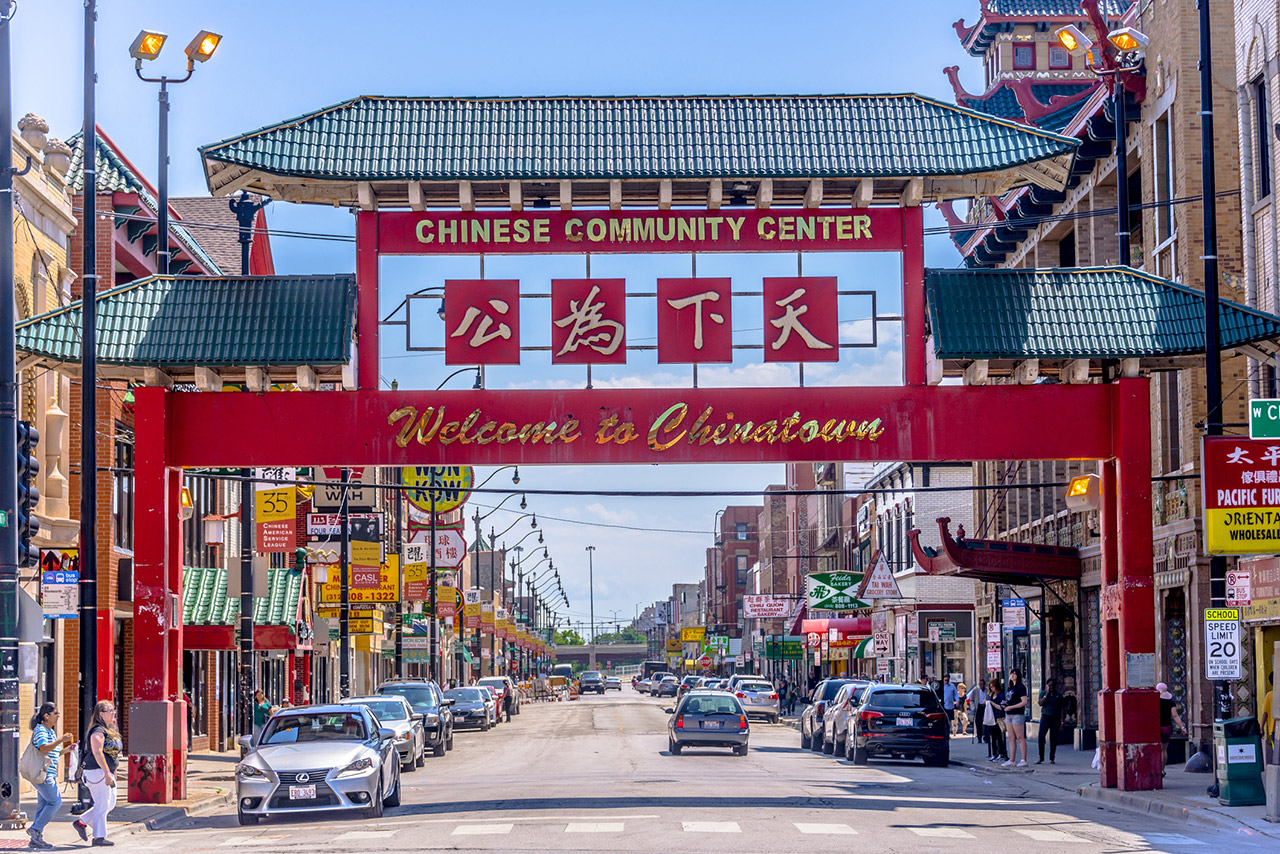
Chinatown is a vibrant community, known for its distinctive, ornate Chinatown Gate at West Cermak Road & Wentworth Avenue, and its Nine Dragon Wall, 170 W. Cermak Road, modeled after the wall in Beihai Park in Beijing. Over a third of Chicago’s Chinese population resides in Chinatown, making it one of the largest concentrations of Chinese-Americans in the United States. The area is home to bustling small businesses, authentic restaurants and spectacular parks maintained by the Chicago Park District.
History of Chinatown
According to Wikipedia sources, Chinese men and women first came to Chicago around 1869, following the completion of the first transcontinental railroad. They were escaping anti-Chinese violence that had broken out on the West Coast.
By the late 1800s, 25% of Chicago’s 600 Chinese residents settled along Clark Street between Van Buren and Harrison Streets. In the mid-1870s, the Kim Kee Company opened a store selling imported Chinese goods and ingredients, and in the basement of the same building stood a Chinese-owned restaurant.
Racism and a Move Southward
While Chinese people in Chicago had been relatively welcomed by the locals in the past, the renewal of the Chinese Exclusion Act in 1892, in tandem with the World’s Columbian Exposition in Chicago in 1893, escalated anti-Chinese sentiment.
As Wikipedia tells it, by the turn of the century, numerous powerful clans and family associations rose up among the Chinese population in Chicago and led the resistance.
The first and most powerful was the Moy clan, who were the de facto leaders of the Chinese people in Chicago from 1898 to 1940. The Moy Family Association came to be the largest association in the city. The Moy Association Building, originally built in 1928, still stands as one of the more impressive and beautiful buildings in Chinatown.
Following the 1906 San Francisco earthquake, Chinese Americans arrived in Chicago in droves.
In 1912, Chinese people living in this area began moving south to Armour Square, fueled by anti-Chinese sentiment along the Clark Street.
Despite that, economically, by the 1930s, a large portion of Chinese businesses in the new Chinatown were large grocery stores stocking imported goods. Through transnational associations, these initial Chinese-owned stores substantiated a strong link between Chicago’s Chinatown, other Chinatowns in the United States, and East Asia.
Before World War II, Chicago’s Chinatown remained a largely insulated enclave. The influx of refugees and educated Chinese people into Chicago dramatically changed the importance of Chinatown to Chicago’s Chinese residents.
Further, as Chinese immigration came to be more accepted following the passing of the Immigration and Nationality Act of 1965, young, educated Chinese Americans began to take a greater role in Chinatown.
The young immigrants also built bridges to the Greater Chicago area through the Chinatown Gateway, built in 1975, which encouraged visitors to learn more about the neighborhood and Chinese culture, as well as history more broadly.
In the decades that followed, Chinatown’s business and civic leaders built an extensive roster of shops, cafes, dim sum spots and teahouses, as well as creating lasting business and cultural associations, making it a destination for tourists and staycationers alike.
Civic Leadership Spurs Development, Cultural Appreciation
Chinatown’s most noted civic leader of the latter 20th Century was Ping Tom (1935-1995). A lifelong resident of Chinatown, Ping Tom formed the Chinese American Development Corporation in 1984. The private real estate firm transformed a 32-acre rail yard site into Chinatown Square, a $100 million dollar residential and commercial expansion of Chinatown. The two-level mall consists of restaurants, beauty salons and law offices, flanked by 21 new townhouses. Today, Ping Tom Memorial Park, 1700 S. Wentworth Avenue, honors his memory and continues his appreciation of Chinese-American culture.
For a deeper dive into the often fractured, ultimately triumphant history of Chinatown, the Chinese American Museum of Chicago (CAMOC), 238 West 23rd Street, is a great resource for the appreciation of Chinese American culture through exhibitions, education, and research. It preserves the past, present, and shines a light into the future of Midwestern Chinese Americans.
Event: Lunar New Year Celebration
Chinatown’s Lunar New Year parade will take place on Sunday, March 1. Traditional dragon and lion dancing teams, colorful floats, marching bands and marching groups will begin at 1pm at 24th Street and Wentworth Avenue and travel north on Wentworth towards the viewing stand at Cermak and Wentworth.
Prior to the Chinatown parade, Gangnam Market in River West is holding its annual Lunar New Year Celebration from Saturday, February 14–Sunday, February 15.
The celebration runs from 8am– 11pm each day with free Asian food options like candied fruit skewers or “Tanghulu” along with beverages, plus beer and wine samples from market vendors.
Lion dancing and drum performances will take place each day between 2pm and 4pm, and roaming Pokémon characters will be available for photo ops.
新年好!
Happy New Year to all!
Alison Moran-Powers and Dean’s Team Chicago
https://www.deanteamchicago.com/wp-content/uploads/sites/84/2026/02/article-neighborhood-021226.jpg8541280adminhttps://deanteamchicago.com/wp-content/uploads/sites/84/2015/09/dean-moss-logo.pngadmin2026-02-12 13:57:142026-02-12 13:57:15Neighborhood News: Chinatown, Lunar New Year, and its historic impact on Chicago