
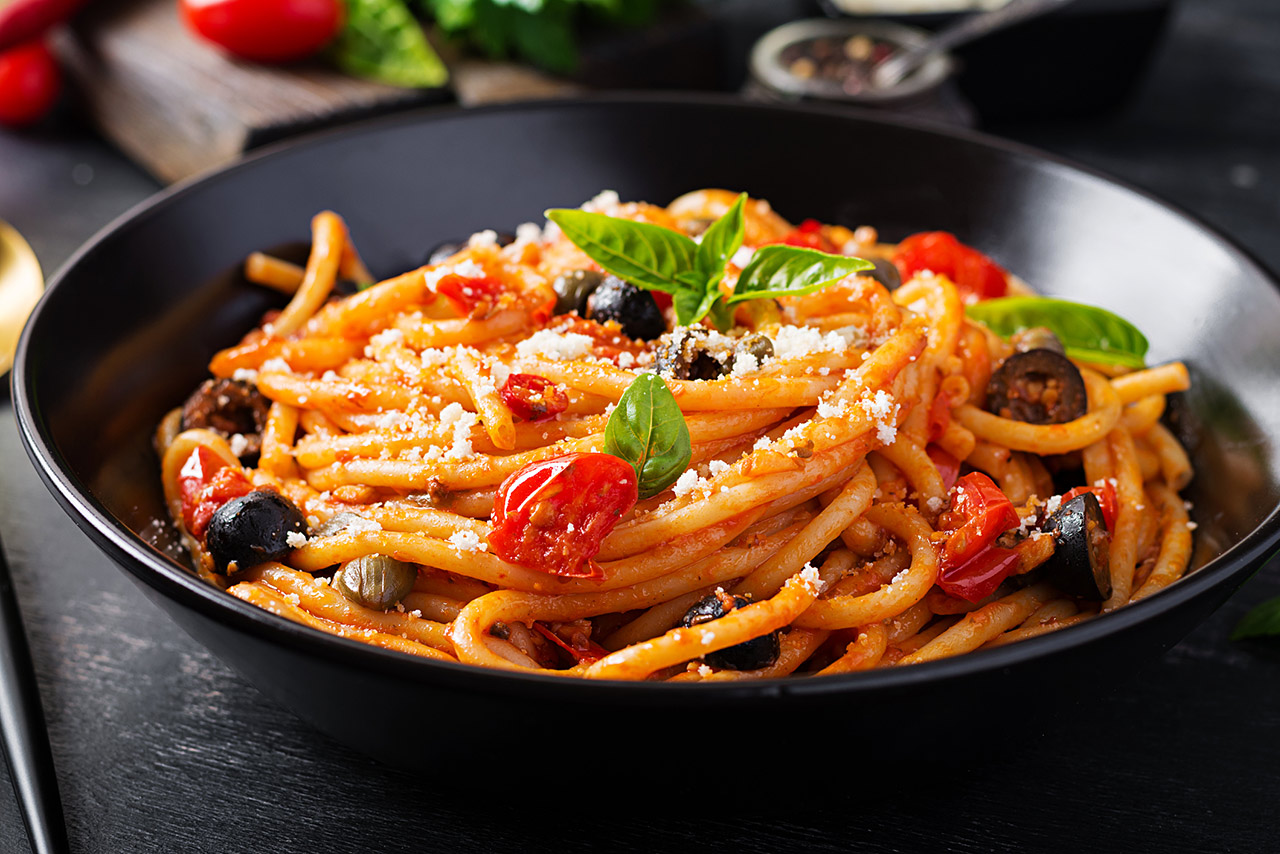
Chicago Home and Lifestyles – The do’s and don’ts for a perfect pasta
If you were blessed to have an Italian Nonna, you probably know all the right things to do when making pasta. But those of us that don’t are most likely doing it all wrong! Here are some of the most common mistakes and some of the tried and true methods for cooking pasta.
Don’ts
Keeping the pasta separate from the sauce. The entire philosophy of Italian pasta is about the union of pasta and sauce into one dish! The best thing to do is to finish cooking the pasta in the sauce. Remove pasta when it’s just short of all dente and add directly to the sauce. The pasta will absorb the sauce rather than just coating it. Save some of that starchy pasta water to thin out the sauce. It adds body to the sauce too.
Adding oil to the cooking water. People think it keeps the pasta from sticking but all it does is float on the top of the water! Then when you drain the pasta it coats it and prevents the sauce from adhering properly. To prevent sticking, use high-quality pasta. It’s definitely worth the extra money. The difference in texture is amazing.
Rinsing the pasta after cooking. This also removes flavor by stripping the essential starches from the surface of the pasta. It’s said to keep pasta from clumping but all it does is cool the pasta and the sauce just slides right off! Proper cooking solves this problem.
Breaking spaghetti. This so-called “hack”, said to keep pasta from sticking, can really ruin the whole experience of eating spaghetti. Long length spaghetti noodles are best for twirling sauce and capturing bits of meat and veggies in a single forkful, creating the perfect bite. Remember: every time you break your spaghetti, a Nonna cries!
Do’s
Tasting pasta is the only true test for doneness. Throwing it at the wall and waiting for it to stick is just silly. A sticky noodle is probably overcooked and has excess starch. Start checking two minutes before the box directions say it’s done. There should be a tiny white dot of resistance in the middle. Taste early, taste often and trust your palate before the wall.
Always use a big enough pot and more water than you think. You need a gallon of water for every pound of pasta. Salt the water with mineral rich sea salt. This is your only chance to season the pasta. No amount of sauce will make up for flat under-salted pasta. Make sure the water is at a full rolling boil and keep the heat as high as possible to keep pasta from sticking.
Stir, stir, stir! Stirring constantly during the first few minutes of cooking will keep strands separate also.
Save some of the starch rich cooking water before draining. This is a great emulsifier that binds your sauce to the pasta and gives them a glossy, restaurant-quality finish. It’s good for thinning the sauce out too or even building a sauce with olive oil.
Kathleen Weaver-Zech and Dean’s Team Chicago