Chicago Home and Lifestyles – 8 ways to keep plant containers thriving in extreme heat
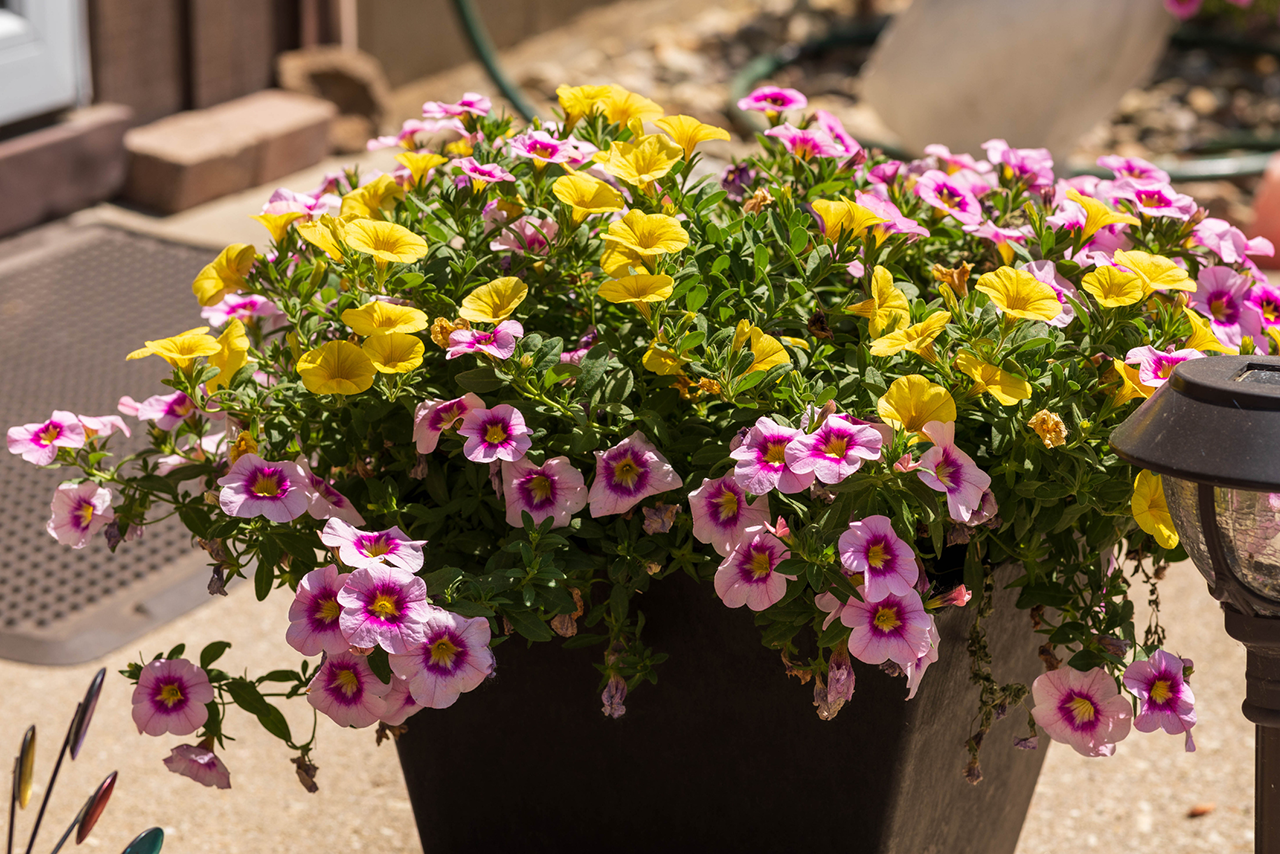
The heat and humidity have finally arrived in the Midwest and the Chicagoland area. Unfortunately, our flower containers which have been thriving with little care can start wilting! Plants in the ground tend to have longer roots that can reach moisture deeper in the soil, but pots, window boxes and hanging baskets dry out more quickly. Here’s a few tips on how to prevent that:
Avoid watering in the late evening. Watering more is essential when temperatures exceed 85 and humidity rises – but if possible, always water in the morning! It’s usually cooler then and there’s less sun stress, so the plant can get ready to face the mid-day heat. Late evening watering can make plants susceptible to disease since they won’t have time to dry out. This is especially true of vegetable plants. (But, as extreme temperatures may require a second daily watering just be as careful as you can to keep water off the foliage).
Water deeply until the water runs freely out the bottom of the pot. If the pot is extremely dry the water may run right through so water slowly just a bit, let it soak in then add more. It may take several times. If that’s not helping, you may need to put the entire pot in a larger container with water to water from the bottom. Leave it for a few hours, take it out then water again till the water runs out. Always water at soil level!
Don’t over fertilize. You might think that you need to fertilize more often as more frequent waterings cause nutrients to leach out quickly but that’s not the case. Fertilizing when it is too hot can actually burn plants. Fertilizing will also push new growth that requires a lot of energy so it’s better to wait till temperatures moderate to fertilize.
Use mulch. When we think of mulching our flower and vegetable beds, we can also do the same for container plants. Mulch retains water and can keep roots several degrees cooler. Use a finer grade of mulch in a 2–3-inch layer for containers. The only thing you need to remember is don’t pack the mulch close to stems, they need air so leave some space around.
Create some shade for your containers. Putting large pots on rolling caddies can let you move the pot to a place with less direct sun. You can also erect shade cloths or you can use your patio umbrella for some temporary shade. This will help out those plants that wilt in the heat.
Move your plants to a cooler area, if possible. Think about moving plants that are close to the house or sitting on pavement or brick pavers. These areas can be 10 degrees warmer as they absorb and reflect heat onto the containers. Move the plants up and away from the house and pavement to lower temperatures and increase air flow.
Look out for pests. Heat stressed plants are more susceptible to pest invasions so keep an eye out. Pests found early are much easier to control.
Take preventative measures for extreme heat. Think about heat when choosing your containers. Terra cotta or racks with coco mat inserts are popular and attractive, but they are so porous that water evaporates quickly! Choose containers that are less porous and don’t hold heat like metal, concrete and ceramic. Choose plastic or faux fiberstone pots. If you have plants in Terra Cotta you can seal them for better moisture retention. Choose light colored pots to reflect sun and heat. Self watering pots do well too as the plants take in water through the roots, but make sure to keep them watered.
Another thing to avoid is hydro-gel crystals or other water retaining polymers. Research has shown they had no positive increase in plant survival rates and they can cause nutrient deficiencies.
Kathleen Weaver-Zech and Dean’s Team Chicago