Seller’s Guide to Making the Most of Your Open House

You’re opening the doors to your home to let curious buyers have a gander at your place, which will hopefully peak someone’s interest enough to put in an offer. After all, the more eyes that see your home, the better. That’s the point of an open house.

But how your open house is conducted can make all the difference in attracting the right people and presenting your home in the right light.

To make your event a true success, keep these pointers in mind.
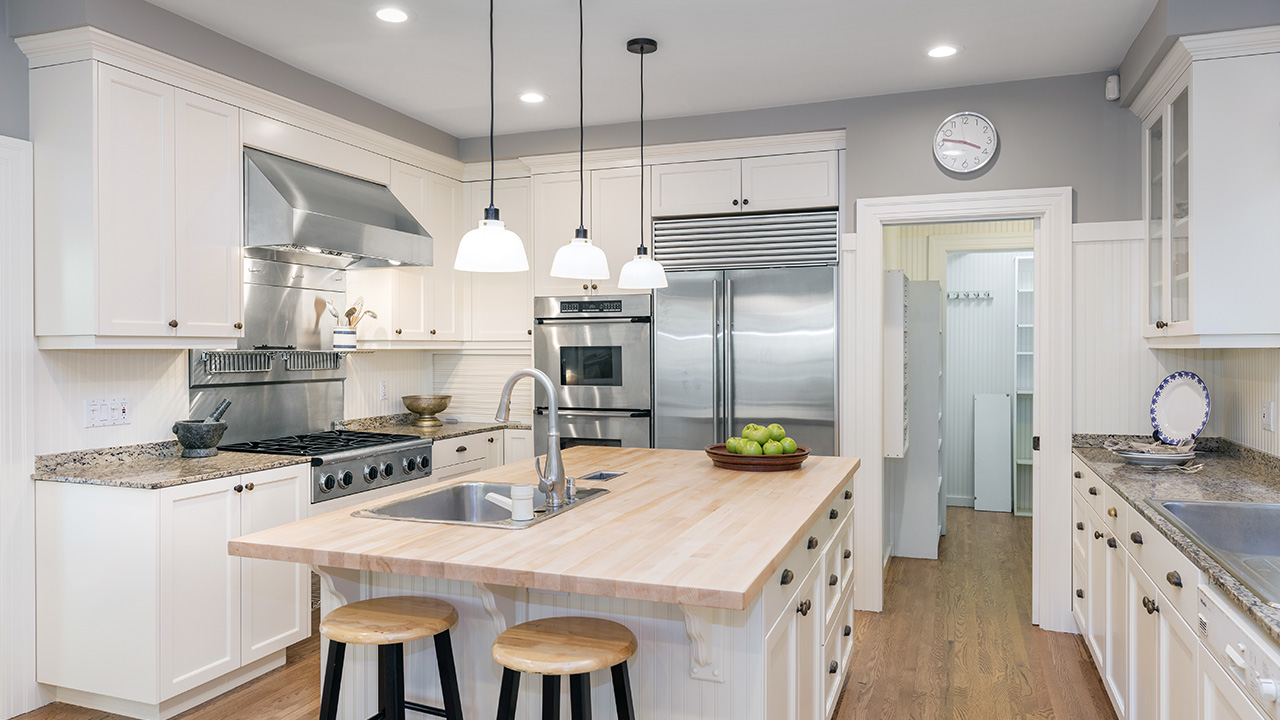
sellers-guide-to-making-the-most-of-your-open-house-featured

Neutralize Your Home

Anything that would turn buyers off and cause even the slightest bit of controversy should be eliminated before you throw the doors open. Aside from obviously getting rid of clutter, you also want to take some time to evaluate the components of your home that not everyone would necessarily appreciate.

Any fuzzy toilet lid covers, fuschia-colored walls, or worn-down area rugs should be swapped for things that visitors would likely appreciate more. Sometimes getting rid of the carpeting and repainting the walls can go a long way at pleasing other people’s tastes. 

If you’ve got any political posters or religious figures on the walls, you may want to consider taking those down too, as not everyone will share the same beliefs. We all know how much region and politics can polarize people.

Stage Your Space

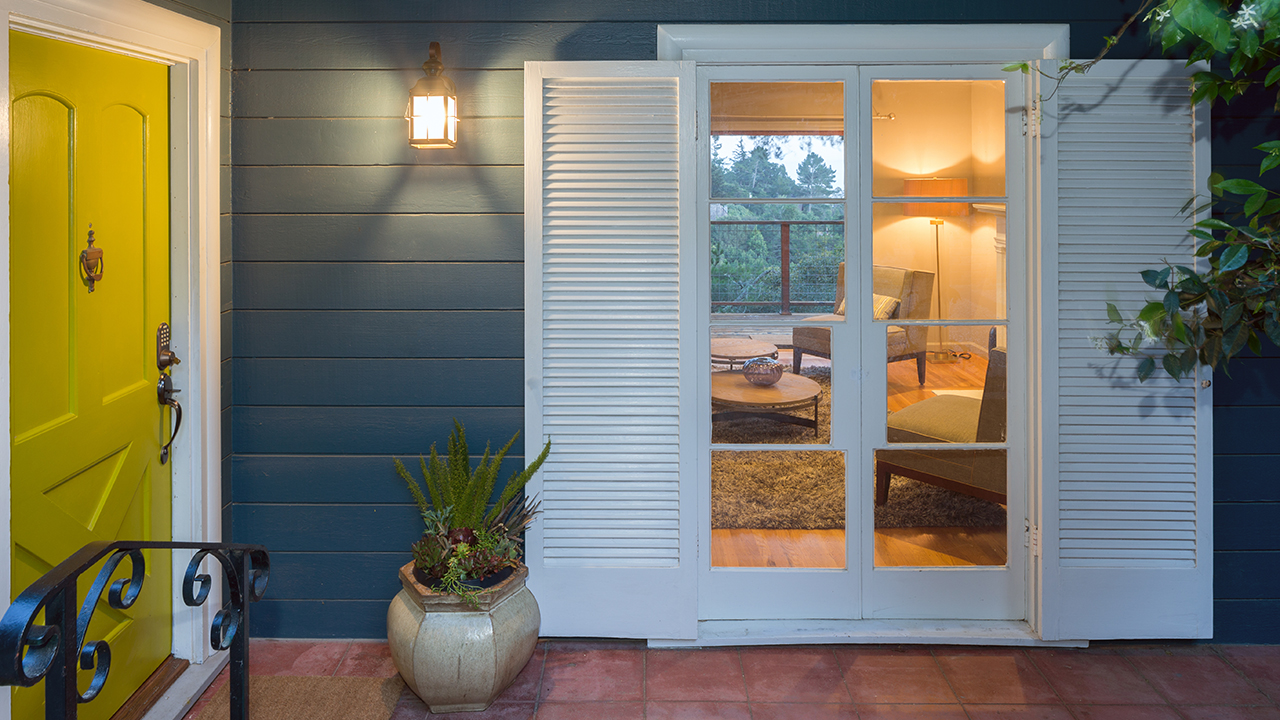
In addition to cleaning up your home and neutralizing its colors and accessories, you might want to take some steps to properly stage the place to boost the odds of impressing prospective buyers. For starters, take measures to enhance your home’s curb appeal by ensuring that the lawn is mowed, the bushes are trimmed, and your driveway is cleaned up. You might even go so far as to plant some colorful flowers or even repaint your front door.

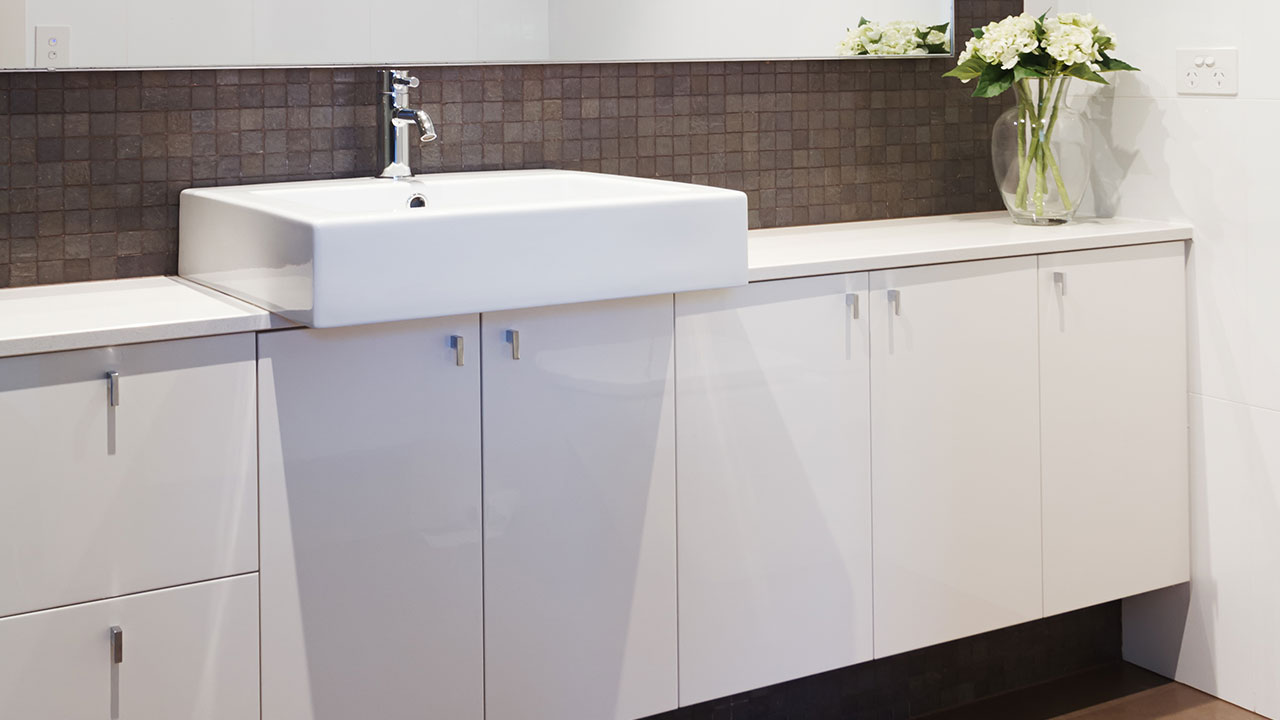
From an interior standpoint, make sure your home’s furniture is arranged in such a way that it clearly defines how the rooms can be used, and maximizes flow. If your home is vacant, consider having a professional stager come in to furnish your home so that buyers aren’t left guessing what the space is used for, and what type of furniture can fit well within the space. Add some touches including fresh flowers in vases and clean towels in bathroom. A little can certainly go a long way in presenting your home in the best light possible.

Don’t Be There

Much like regularly scheduled showings, it doesn’t help to have the seller present when prospective buyers are trying to check out the place. They need to be able to freely picture themselves living in the house, and if you’re lingering around, that’ll be hard to do. There’s simply no reason for you to be there if your real estate agent is already there managing the open house on your behalf.

It doesn’t do much for the sellers and buyers to meet before an offer is even considered. When buyers are meandering through the home, they really just want to be left alone, and feel as though they can make comments on the house liberally without having to fear that the owner will overhear.

Don’t forget to take your pets along with you – if you have any – as well as all the items that go along with them, including their litter boxes, toys, and food bowls.

Invite the Neighbors to Show Up

Many times sellers are concerned about the number of neighbors who may show up at open houses just out of curiosity about how they live. While some sellers may want to shun their neighbors from attending their open houses, many agents actually encourage them to come. After all, the more people see your home, the better.

While your neighbors themselves may not necessarily be interested in buying your home, perhaps they have friends, family members or acquaintances that are looking in your neighbourhood. Consider handing out some flyers to your neighbors to advertise your open house, which can increase the odds of word-of-mouth spreading faster. 

Put Up Signs All Over the Neighborhood

You’re obviously going to have an open house sign on your front lawn, but you should also expand this idea and place signs advertising the open house in other spots around the area, especially at major intersections and mailboxes. You can attract more attention to these signs by tying helium-filled balloons to the signs. The more you can help direct interested buyers to your home, the better.

Protect Your Stuff

Your real estate agent will be present during the open house, but it’s impossible to have eyes on every room when there are multiple buyers in the home at once. Do yourself a favor and secure belongings before the open house starts, or else remove them from the home altogether.

Provide as Much Information as Possible

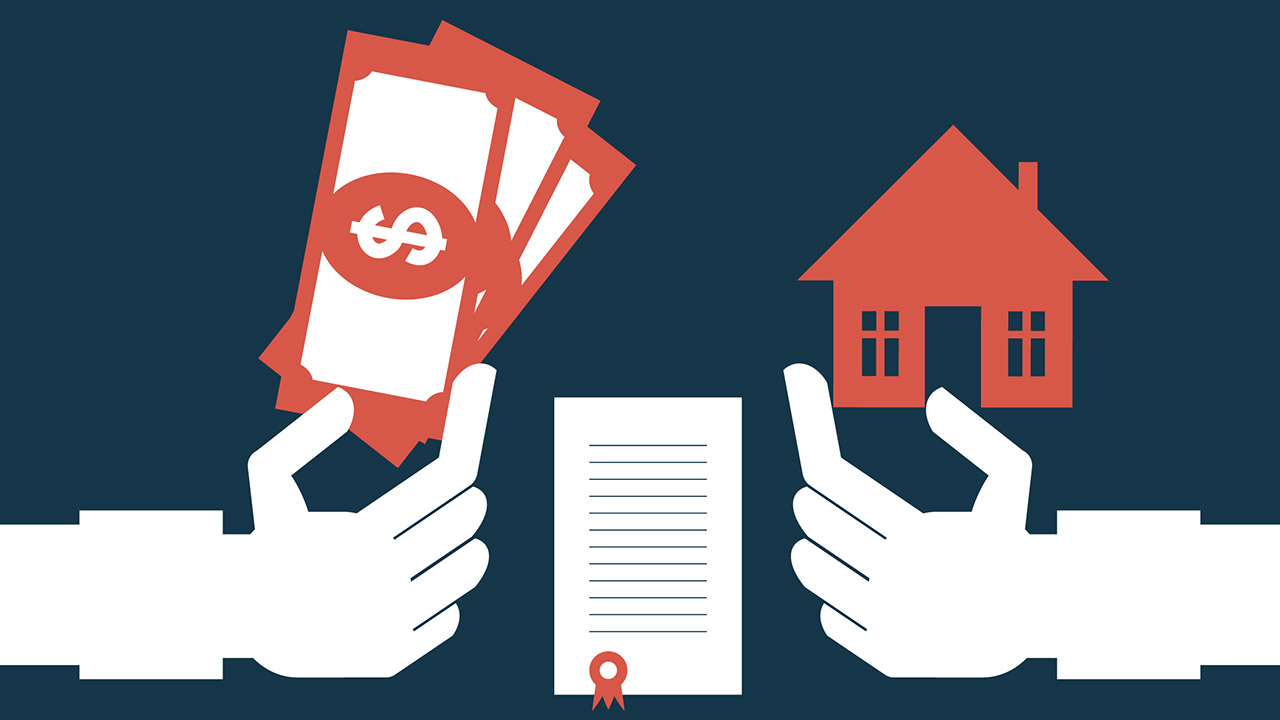
Brochures should always be part of an open house, which outlines all the details that buyers will want to know about the place. Be as detailed as you can, aside from the price and number of bedrooms. Include specs such as square footage, lot size, recent upgrades, and so forth. You might even want to include information from a local mortgage broker with information about mortgage payments and loan options. Give buyers something to take home with them so that they have something to refer back to. 

Offer Refreshments

You don’t have to serve soups and sandwiches, but some light refreshments may be a nice touch to your open house. Even freshly baked cookies can help to treat visitors when filling the house with a lovely aroma.

Having an open house involves a lot more than just plopping a sign in front of your home and hoping that people will show up. Not only is there are a lot of work involved in getting the word out, there’s also work that needs to be done to prep your home to be shown. Make the most of your open house with these tips to help get it off the market sooner rather than later.


7 Questions to Ask Your Lender Before Getting a Mortgage

Shopping around for a mortgage involves a lot more than just trying to snag the lowest interest rate. While this certainly is an important component to the mortgage shopping process, it’s only a part of the equation.

Whether you’re a seasoned veteran in the world of mortgage applications or a first-timer, there are certain key questions that you should make sure to ask your lender before you agree to a deal. Here’s a look at 7 questions to ask your mortgage lender.

7-questions-to-ask-your-lender-before-getting-a-mortgage-featured-sm

1. What Type of Mortgage is Best For Me?

There are various loan programs available out there, but which type is best for you will depend on your specific circumstances. Have your lender go over the various loan types with you, and explain how each may or may not benefit you. In order for your lender to give you an accurate answer, you’ll need to provide various pieces of information about yourself, including your income, employment, assets, debt, credit, down payment, and so forth. All these pieces of financial information will be entered in your loan application. 

From fixed-rate mortgages, to variable-rate mortgages, to FHA-backed loans, the type of mortgage that’s best for you can only be determined after your lender has had a chance to look over all the financial information you’ve provided.

2. What is the Annual Percentage Rate (APR)?

Many borrowers might not be aware that the posted interest rate isn’t exactly the same thing as the annual percentage rate. While interest rates are what typically gets posted to garner attention, it’s the APR that you should be asking about. While the interest rate is what’s used to calculate the monthly mortgage payments, it might not necessarily consider the entire cost to borrow.

For instance, if one lender offers a 30-year fixed-rate mortgage at 3.75% interest, while another offers the same type of mortgage for 4%, obviously the first appears to be the logical choice. But there are all sorts of other pieces to the puzzle that haven’t been considered, including origination fees, mortgage insurance, closing costs, and so forth. While the first lender may be offering the lower noted rate, the latter could wind up being the more affordable option if all the other costs associated with the mortgage package are cheaper.

7-questions-to-ask-your-lender-before-getting-a-mortgage-apr

3. Who Will Be Servicing My Mortgage?

The lender who originated your loan might not necessarily be the same party that you will be forwarding your mortgage payments to. While many loan originators may continue to service them, many others sell them to third party investors.

Of course, you’ll be notified if this is the case with your particular loan, as companies are legally obligated to inform you of such a situation. The mortgage servicer that your loan was sold to will be the party that you make your monthly payments to, and will also be the one to manage your escrow account. While having your loan sold to another loan servicer is nothing to be concerned about, it’s still important for you to know who will be handling your mortgage.

4. How Can I Lock Into an Interest Rate?

When a lender quotes you a specific interest rate, you should find out how you can lock into it. It’s not uncommon for borrowers to be quoted one rate, only to be given another because too much time elapsed between the quote and the actual mortgage application. That’s because the original quoted rate may have expired by then.

That’s why it’s important not to wait too long before locking in at a rate that’s considered attractive; that way, you can prevent any unpleasant surprises, and budget for your mortgage payments accordingly. Of course, the rate you lock into won’t last forever; you should ask your lender how long that rate will apply to your mortgage once you lock into it.

7-questions-to-ask-your-lender-before-getting-a-mortgage-lock

5. Does the Quoted Interest Rate Include Points?

A quote from a lender might not necessarily include points, which are fees a lender collects when you close on a home purchase in exchange for a lower rate. It’s important that you completely understand what the point system is and how it works, as well as whether or not using the point system will work to your benefit. If there are any confusions, be sure to ask your lender explain them.   

6. What Should I Do (or Not Do) to Speed Up the Process?

Nobody wants their application process to hit snags along the way and drag on. But there are things that you might do that can actually hinder the process. Your lender will likely tell you to make sure your application is filled out in full with no errors in the information provided. You’ll also be asked to be up front about your past credit issues, and not to take on any added debt.

Buying a new car on credit, for instance, is something you should wait until after your mortgage has been approved to do. Making drastic changes to your credit while the underwriter is analyzing your financials and determining whether or not you should be approved for a mortgage can throw a wrench in the process.

7-questions-to-ask-your-lender-before-getting-a-mortgage-credit

7. What Are the Total Costs of My Mortgage?

In order to be able to accurately compare interest rate and expenses from different lenders, you’ll need to know exactly what all the costs are that come with the mortgage. This should be given to you through a Good Faith Estimate (GFE), which itemizes each specific cost associated with the mortgage. Once you’re ready to close on the mortgage you’ll be given a HUD-1 settlement statement that outlines all these expenses.

A home is probably the most valuable asset in your possession, so you should take the time to find out as much as you can about your loan before you close the deal.

9 Kitchen Design Mistakes to Avoid

No matter how amazing and comfortable the rest of your home may be, there’s something about the kitchen that has everyone congregating to it. No doubt, your kitchen is the hardest working space your home, and should be designed to help make it as efficient as possible. And considering how much of an effect the kitchen has on the overall value of your property, you’d be well advised to make sure its design and style are carefully considered.

After flipping through countless home interior magazines and navigating through Houzz and Pinterest, you’ve probably got a solid idea of what you want your new kitchen to look like. But before you start the process, you’ve got to have a detailed plan in place, which includes things that need to be done, as well as things that you absolutely must avoid.

9-kitchen-design-mistakes-to-avoid-featured

Here are a few kitchen design mistakes to steer clear of.

1. Not Planning For Adequate Storage Space

Unless you plan on leaving all your pots, pans, dishes and glassware on the counter (which you shouldn’t), you’re going to need to seriously think about adding enough storage to keep all of your kitchen belongings out of sight. And don’t forget about your dry foods and knickknacks that will also need to have a home. Whether your storage takes the form of extras drawers, pantries, or cabinets, you need to be certain that it is adequate enough to tuck everything neatly without having to cram everything into a tight space.

2. Not Including Enough Counter Space

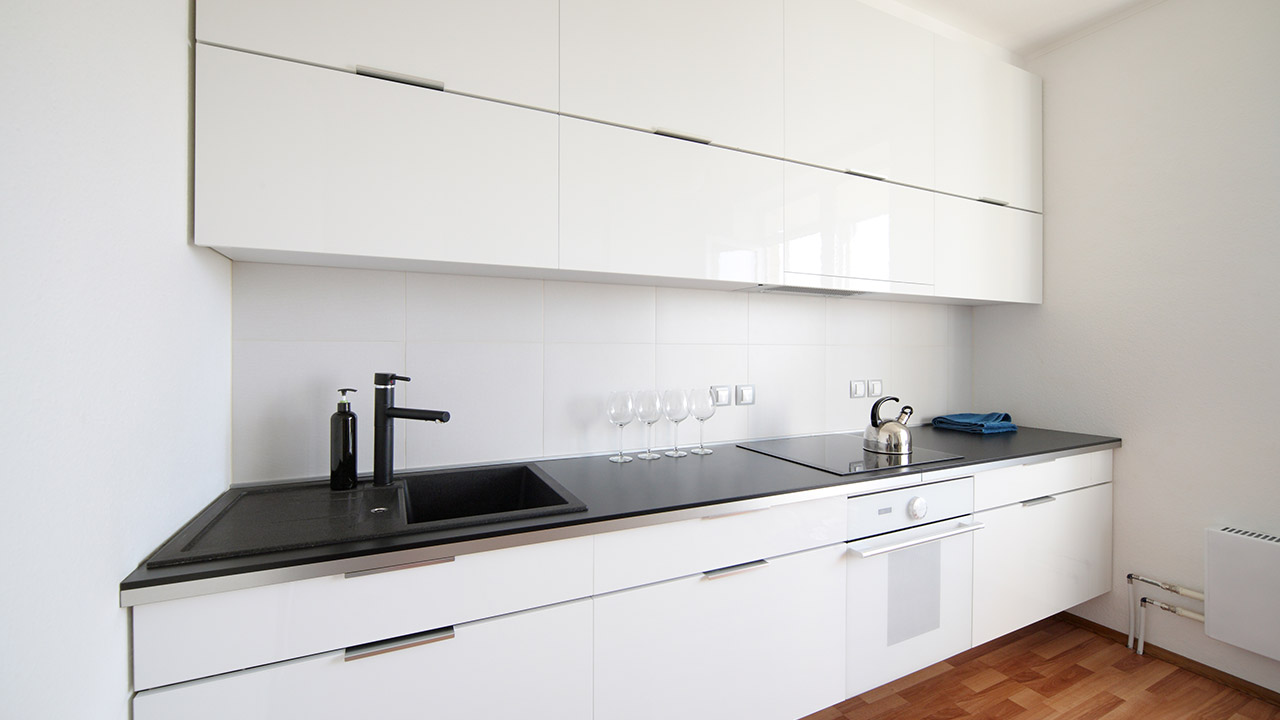
The amount of space that you’ve got on your countertops is equally as important as your storage space. After all, it’s where you’ll be prepping your meals and housing small appliances like your blender, toaster, and coffee machine. And don’ forget about any decorative elements that you may want to have out on your counter to boost the style factor of the room. Without adequate space on your countertops, you’ll find your kitchen will become cluttered really quickly and easily.

9-kitchen-design-mistakes-to-avoid-counter

3. Skimping on Lighting

If you want to clearly see what you’re doing as you’re preparing dinner, you’re going to need excellent lighting in the kitchen. But many homeowners skimp on lighting in this space for some reason, and often leave it to one solitary central light fixture to provide the lighting needed. Instead, the lighting in your kitchen should be varied, and include both task lighting and fixtures meant specifically for creating ambience.

Consider illuminating the overall space with pot lights, and install pendant lights over your kitchen island. You may also want to install undercabinet lighting to illuminate your counter as you handle food, and hang a chandelier over the dinner table. Layering your lighting in this fashion can provide with both the right amount of lighting needed to whip up your famous dish, while giving you the flexibility to create a specific atmosphere in the space.

4. Lacking Proper Ventilation

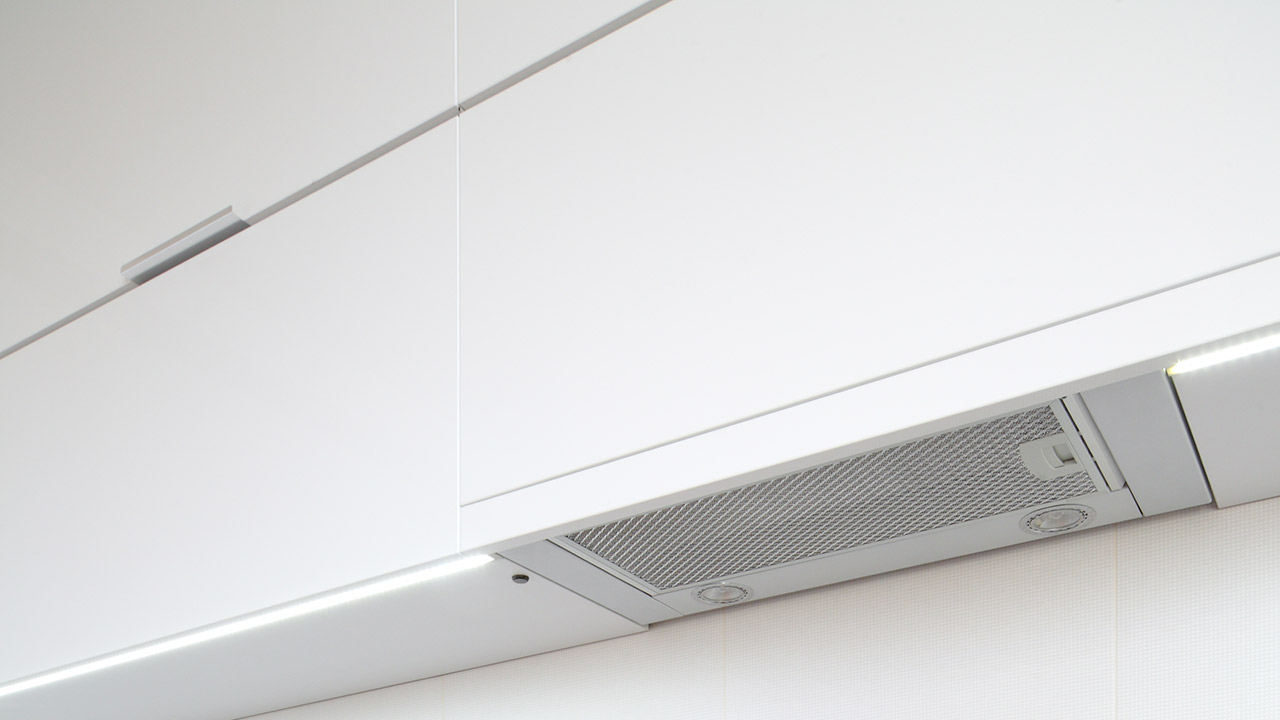
All those fumes from your boiled eggs or grilled salmon have to go somewhere, or else you’ll be left with unpleasant smells that will linger for hours. Not only that, but if you have a gas stove, these fumes can go from unpleasant to downright dangerous. That’s where proper ventilation comes into play, which is a critical component to consider in the planning stages of a kitchen design. Not only will an adequate ventilation system help keep the air in your kitchen fresh, it’ll also help to lengthen the lifespan of your appliances. 

9-kitchen-design-mistakes-to-avoid-vent

5. Forgetting About the ‘Kitchen Triangle’

It would be pretty awkward and annoying to have to dodge obstacles to bring food items from your fridge to your stovetop. That’s why the kitchen triangle should always be kept in check during a kitchen design. This layout basically links the three most used areas of the kitchen: the stove, fridge, and sink.

Out of all these components, the sink, in particular, is most often used, and should have direct access to both the fridge and stove. Tight walkways, cabinet doors that swing open the wrong way, and improperly situated islands can mess this system up big time. Straying from the kitchen triangle too much can make the room must less efficient.

6. Misjudging the Island

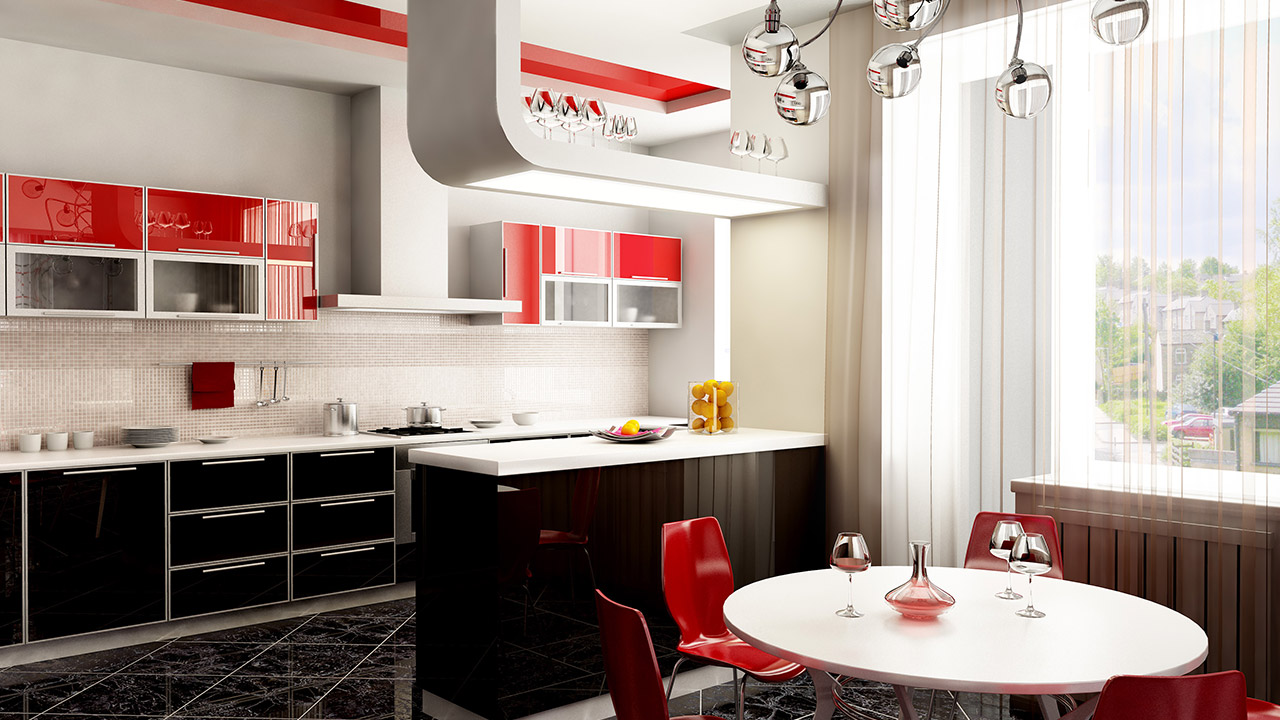
Having an island in the kitchen can offer you additional counter space and an added spot to eat and hang out. But your kitchen’s size and layout will dictate the size and location of an island, as well as whether or not one can even effectively exist. The kitchen is a working space, so anything that gets in the way of functional flow will just cause problems.

If the island is too big, or is not located in an ideal spot, you’ll cut off proper flow in and around the space. Ideally, there should be between 42 and 48 inches of open area surrounding kitchen islands. For it to be of any use, the island should be at least three by five feet in dimension, and your kitchen should be a minimum of 13 feet wide.

9-kitchen-design-mistakes-to-avoid-island

7. Going Too Trendy

Unless you’re planning on revamping your kitchen every few years, you’d be better off sticking to a design that’s not overly trendy. While you still want to be modern and innovative, you also don’t want to be so quirky that the appeal of your kitchen will wear off you in the near future.

Rose Quartz and Serenity might be Pantone’s choice of colors of the year, but how long these pastel hues stay on trend in the next few years is up for debate. No one says you can’t be bold in your color choices, but just be sure to use them in non-permanent ways, such as with your towels or decorative accessories.

And when it comes to kitchen design, carefully consider the styles you choose for your trim, cabinet materials, finishes, countertops, and flooring. You might think you’re certain that the latest out-there trends will tickle your fancy for the long-term, but you never know when your tastes will change, or if you ever plan on selling your home in the near future to buyers that may not necessarily have the same tastes.

8. Forgetting About the Trash

Your kitchen design can be sleek and impressive, but the look of this space can easily be thrown off with the presence of a trash can. Nothing is more off-putting than the sight of garbage, so be sure that you consider a spot where you garbage bin can be tucked away in a spot that’s easy to access.

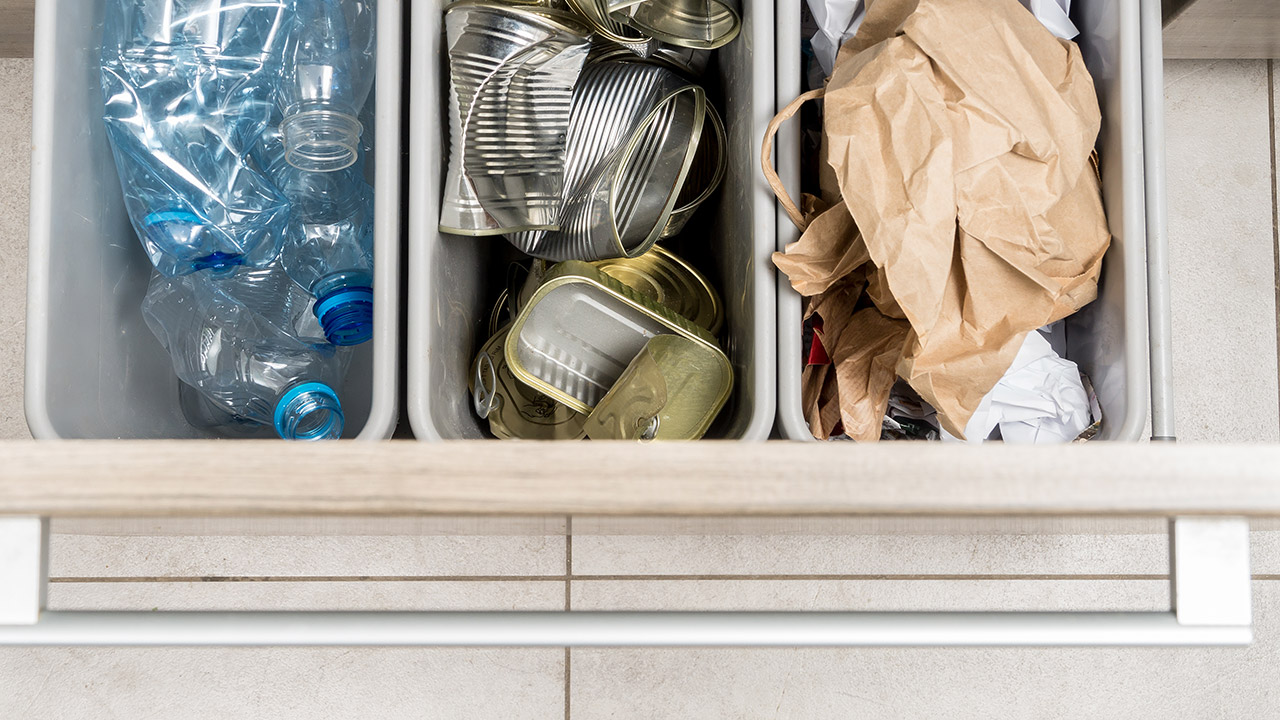
Not only is the spot for a trash can up for consideration, so is a bin for your recyclables. One modern way that interior designers and homeowners are tackling this issue is by installing a dual cabinet pull-out that features one bin for the trash, and another for the recyclables. This offers easier access, rather than having to reach under the cabinet and hoping that your toss made the bin. 

9-kitchen-design-mistakes-to-avoid-trash

9. Not Including Enough Electrical Outlets

Think about all the little appliances that you’ll be using in the kitchen at various stations. From your toaster, to the cake mixer, to the blender, all these items need an outlet to be plugged into. And what about your smartphone and tablet? Odds are the kitchen counter will be the place to recharge these gadgets. For that reason, make sure you’ve installed enough outlets to accommodate all the things that will need to be plugged in.

Spending the time considering all these factors in the planning stages can help save you plenty of hassles after the fact. Make sure you’ve considered all the components that go into making a kitchen great, and avoid all these mistakes that can wreak havoc on your kitchen design.

7 Features Homebuyers Will Dish Out Extra For

Everyone knows that location is a key factor in dictating how much a property can sell for in a given market. But while close proximity to employment, amenities, and green space are all important to boosting property values, the physical features of the homes themselves obviously also play important roles in how much buyers are willing to pay for them.

Buyers often have a list of features that they ideally want to see in a home before they consider putting in an offer. While different buyers may have their own unique needs and wants, there are specific features that seem to be universally considered valuable, so much so that buyers are willing to may more for them.   

If you’ve got any of the following traits in your home, you’ll likely be able to find buyers that will dish out more for them.

7-features-homebuyers-will-dish-out-extra-for-featured

1. Ensuite Bathroom in the Master Bedroom

There’s something about a master ensuite that offers a personal retreat right in the confines of your own home. A master ensuite has been a popular feature for homeowners for the last decade or so, and continues to be a highly coveted feature. It’s a staple in the design of new homes, but older homes typically require a renovation job to squeeze this extra space in.

If your home boasts a master ensuite, almost half of the buyers out there will pay over $2,000 more versus a home down the street without one.

2. Walk-in Closet in the Master Bedroom

7-features-homebuyers-will-dish-out-extra-for-closet

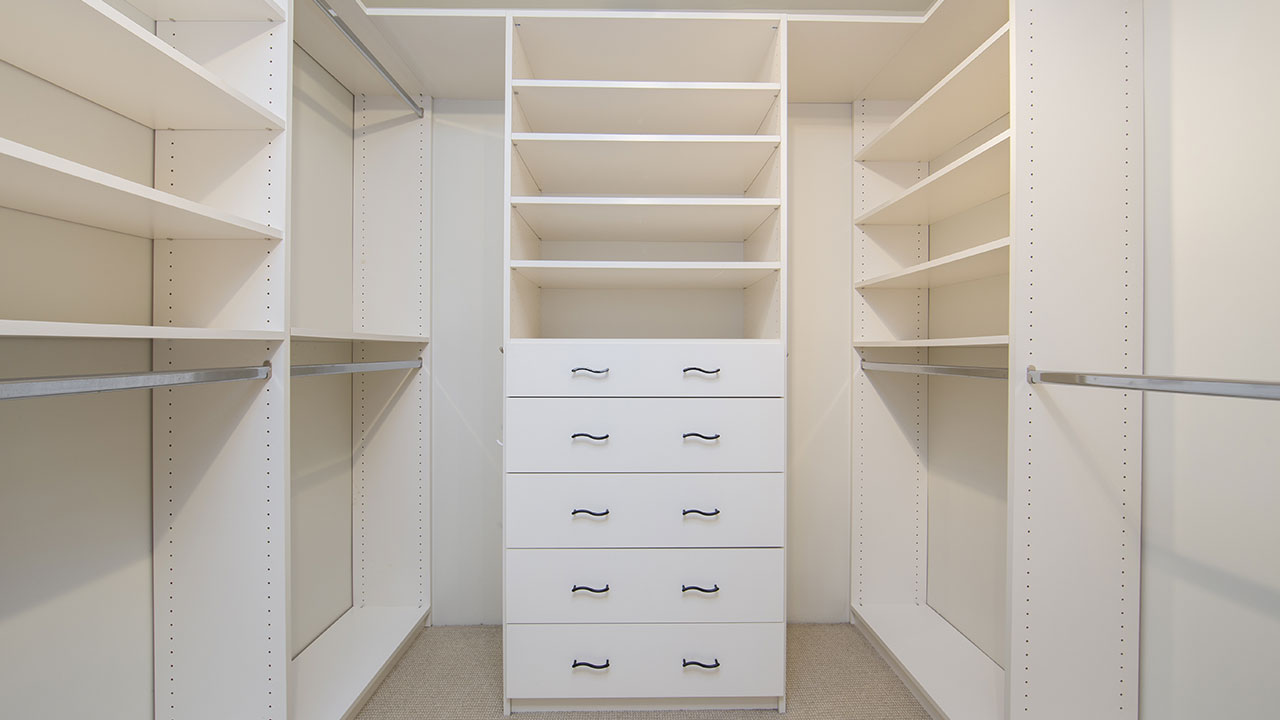
It seems like the master bedroom is more of a sanctuary than just a place to lay your head at night. In addition to a master ensuite, having a walk-in closet in this room can bring even more money to the table.

Having extra storage space to house clothes and shoes for more effective organization and easy access is something that about 60% of homebuyers are willing to pay an extra $1,300 for. And the bigger the space and more features it boasts (think Carrie Bradshaw’s amazing closet), the more attention – and – money – you’ll draw in.

3. Hardwood Flooring

If your home is still lined with old-fashioned wall-to-wall carpeting – especially on the main level – it may be time to switch things up, especially if you’re considering selling anytime soon. Hardwood flooring has now become an expected trait in homes for sale, so much so that many buyers will simply dismiss listings that don’t have this trait.

This is especially true among the younger millennial demographic of buyers, who have more modern tastes when it comes to home decor. Hardwood not only looks sleeker, it’s also easier to maintain compared to other surfaces like carpeting. More than half of buyers are willing to pay over $2,000 more for hardwood flooring, so it’s a feature you may want to consider if you’re thinking of selling soon.

4. Open Concept

7-features-homebuyers-will-dish-out-extra-for-open

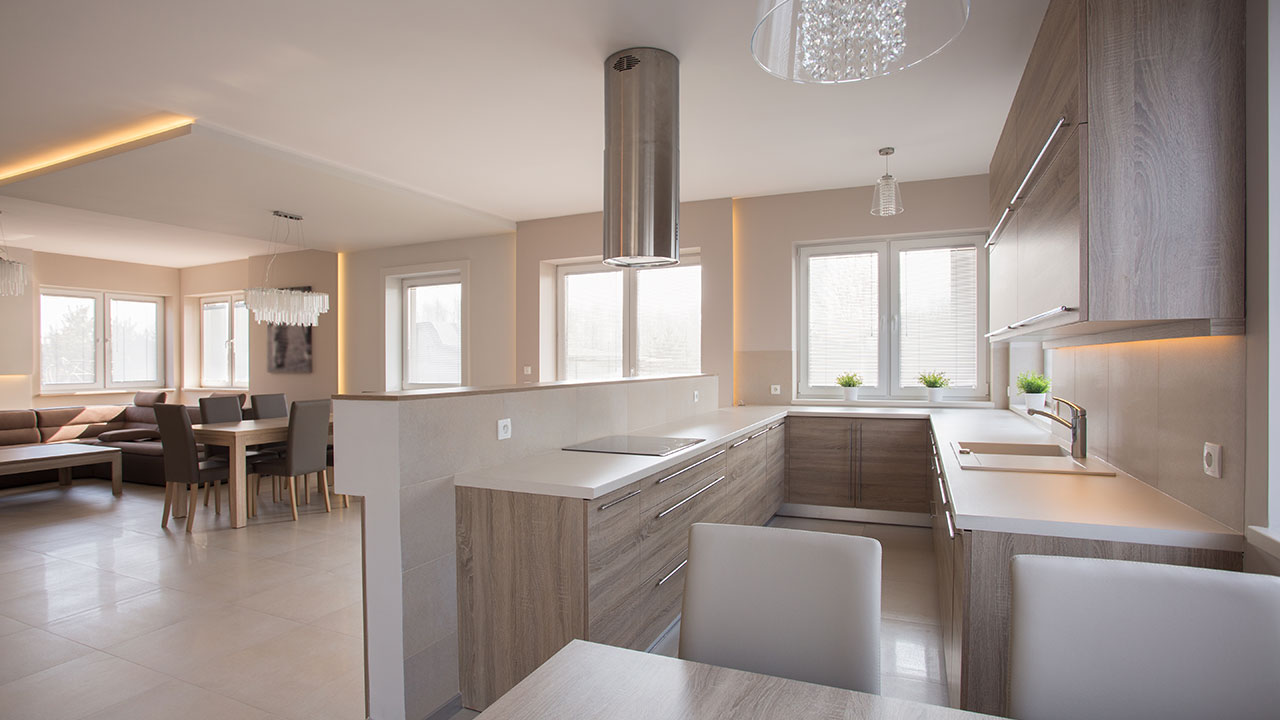
More and more prospective homebuyers desire an open concept where they are not separated by walls. They are especially attracted to homes with an eat-in kitchen that’s large enough to seat the family for meal times.

Cooking dinner, keeping an eye on the kids, watching TV and conversing with guests can all be done with an open concept layout, and if your home is laid out in this manner, almost half of buyers would be willing to pay an extra $1,700 for it.

5. Kitchen Island

Not only does a kitchen island create a much more impressive room, it also allows for a lot more counter space to prepare meals and house your small appliances. It also adds more functionality and practicality to the room by offering additional storage space for your pots, pans, dishes and kitchen utensils. They’re great for entertaining guests, and offer an alternative seating space for casual meals. Buyers love kitchen islands – nearly half of them are open to pay over $1,300 more for a home that has one.

6. Brand New Kitchen Appliances

7-features-homebuyers-will-dish-out-extra-for-kitchen

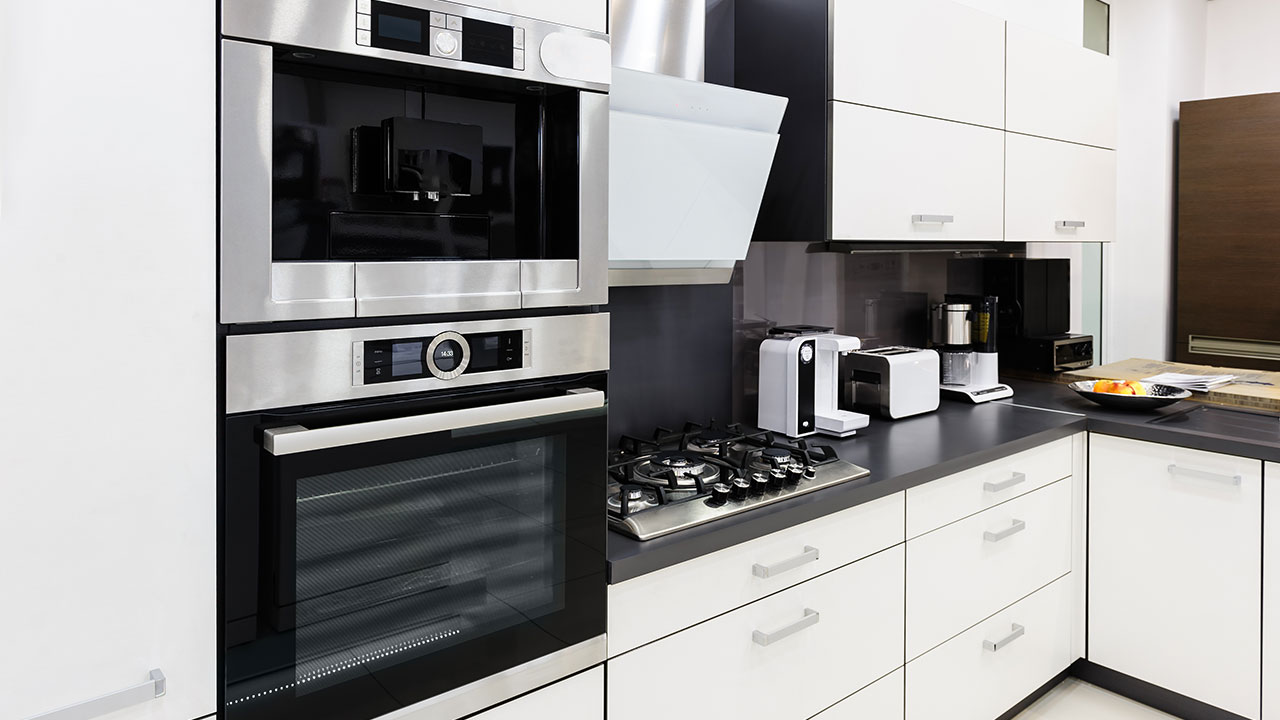
A new set of stainless steel appliances can do wonders at improving the look and feel of a kitchen. And high-end brands, as well as unique and modern appliances like wine fridges, can really up the ante when it comes to what homebuyers are willing to pay for your home. Nearly 70% of buyers are open to coughing up an extra $1,800 if your kitchen boasts new appliances.

7. Central Air Conditioning

Air conditioning is a must, especially if you live in the southern part of the country. In fact, the majority of homebuyers consider A/C to be an extremely important feature in a home, and will pay over $2,500 more to get it.

If you’re planning on selling soon, you may want to make certain improvements to your home to get top dollar. However, it’s important to note that certain projects will cost more than what you might necessarily recoup upon the sale of your property. Make sure you speak with your real estate agent about any potential home improvements that would yield the highest returns before you start making major changes.

6 Tips to Building a Sustainable Greenhouse

Instead of heading to the supermarket for your daily dose of veggies and herbs, imagine being able to pluck them right from your own yard? And rather than buying plants and flowers to adorn your landscaping with, why not grow them yourself?

That’s the beauty of a greenhouse – it offers practicality and sustainability all throughout the year, regardless of the temperature, and is more attainable than you might think. An avid do-it-yourselfer can easily design and construct a greenhouse for a relatively low cost.

6-tips-to-building-a-sustainable-greenhouse-featured

1. Find Out if a Building Permit is Required

Before you stick a shovel into the ground, you might want to first determine if you are obligated to apply for a permit. While some locations might not require a building permit to erect a greenhouse, others do. If you happen to be in a location that a permit is needed, you could be faced with fines if your fail to obtain them before starting the work. Even worse, you might even be forced to take it down. Applying for a permit might extend the process a little, but at least you’ll know that you’re greenhouse is legal, and meets safety standards.

2. Pick the Right Spot

The location you choose for your greenhouse will essentially come down to where it will be exposed to the most sunlight. In this case, a true south or southeast exposure is ideal. The spot you choose should ideally have sunlight all day long; but at the very least, locations that have sun all morning should be preferred over those with only afternoon sun as morning sun boosts the growth of plants.

Any structures or trees nearby the greenhouse should be far enough that shadows aren’t cast until at least the late afternoon. The more sun exposure the greenhouse gets, the more free solar energy it’ll attract.

6-tips-to-building-a-sustainable-greenhouse-location

3. Design Your Greenhouse According to Standard Sizes

Most materials that you’ll need to buy to construct your greenhouse will typically come in standard size; namely, multiples of 4. For example, wood 2×4’s or glass panes will usually come in lengths of 8 or 12 feet. Keep this in mind when drafting up plans for your greenhouse. It’s more cost-efficient to use up all of the material you purchase, rather than having to buy larger slabs that need to be cut down to size with the leftovers discarded. 

4. Choose a Floor That Allows For Adequate Drainage

Greenhouses should ideally sit on sturdy foundations to make sure it’s safely secured to the ground, such as concrete or wood. But while it’s recommended to place permanent footings to support the structure of the greenhouse, hard flooring is not suggested. Instead, a few inches of gravel is ideal, since it allows sufficient drainage. You can alway use stone or concrete for walkways between your plant benches. Whatever flooring material you choose, remember that it needs to be porous.

6-tips-to-building-a-sustainable-greenhouse-floor

5. Think About Ventilation

Greenhouses were meant for collecting solar energy. But the temperature within the interior of the greenhouse will need to be properly vented in order to prevent the accumulation of too much moisture, which can rot your plants.

If your greenhouse is on the smaller scale, simply propping the cover open with a block of wood should be enough to ventilate. For larger structures, consider installing a rooftop vent. Think about using thermally-activated vents that open and close without the need for electricity. To facilitate adequate ventilation around your plants, install open coated wire shelving allows a free flow of air.

6. Choose the Covering Materials

Glass has traditionally been the covering of choice for greenhouses, but it’s the most fragile and expensive to replace. Before adding glass as your covering of choice, make sure that the foundation is strong enough to handle the weight of glass. Tempered glass is often preferred over traditional glass as it’s stronger and doesn’t break as easily.

Plastic is a popular option over glass, considering the fact that it’s lightweight and a lot cheaper. Hard, double-walled polycarbonate plastic is a good option, as it can hold heat much better than cheaper plastics like polyethylene.

These days, fiberglass is the go-to choice for greenhouses, and for good reason. Fiberglass is much cheaper than glass, and is very durable while still allowing 80% of light to transmit through. However, it’s important to note that lower-grade fiberglass will significantly reduce the amount of light transmission, and will need to be recoated in resin more often than higher-grade fiberglass.

Having a greenhouse in your own backyard can help you regulate the environment that your plants and veggies grow in all year long. Keep these tips in mind to help you build an energy-efficient greenhouse to add to your landscape.

6-tips-to-building-a-sustainable-greenhouse-cover

9 Mortgage Mistakes to Avoid

The mortgage process is a potentially complicated one. During the underwriting process, a number of obstacles can get in the way of your approval. And considering the huge commitment, it’s crucial that you make sure the mortgage you get into is one you can live comfortably with. 

There are plenty of potential mistakes throughout the mortgage process that can prove costly, which is why you want to avoid them.

9-mortgage-mistakes-to-avoid-featured

1. Not Checking Your Credit First

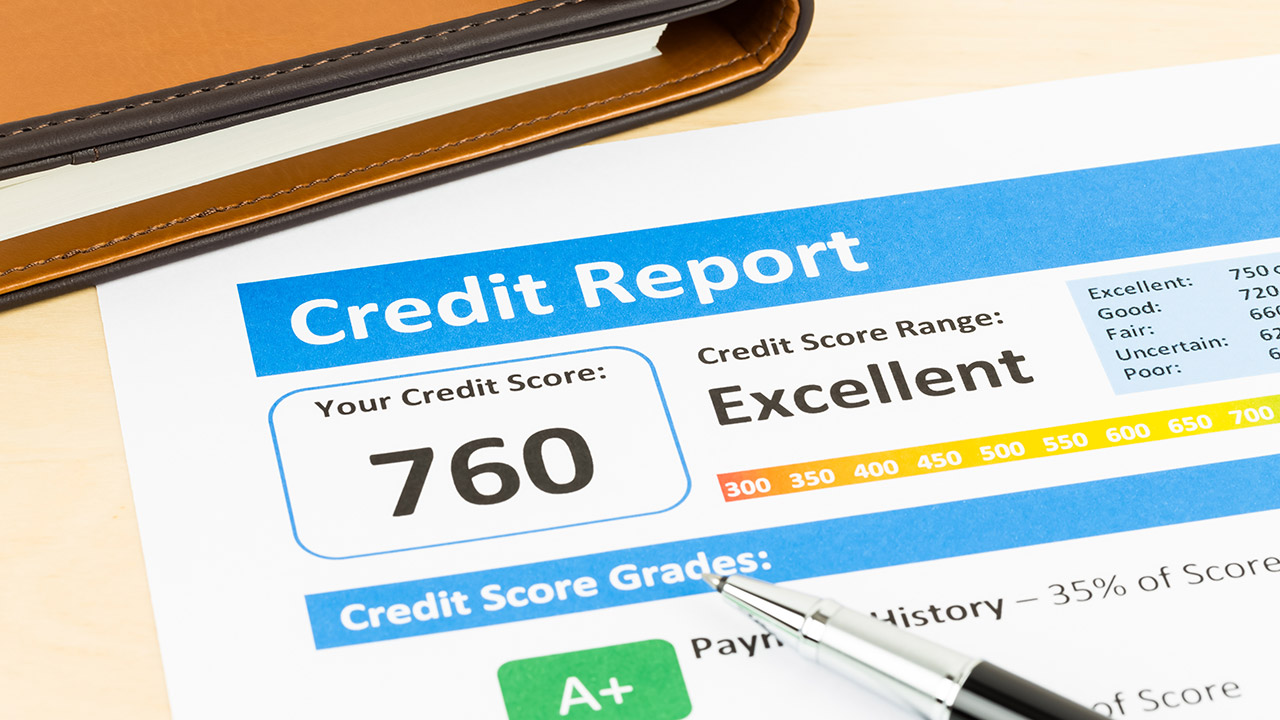
If your credit score is seriously lacking, you’d be better off taking a few months to improve it before applying for a mortgage. If it’s anywhere under 560, odds of getting approved are slim. Even if approval is granted, you’ll likely be stuck with a super high interest rate that will only make the mortgage more expensive over the long haul.

2. Making Major Purchases on Credit

If you’re applying for a mortgage, the last thing you want to do is add more debt to the books. Your debt-to-income ratio will play a key role in your lender’s decision about whether or not to approve your application – the higher you make that number through expensive purchases on credit, the lower the odds of a rejected application.

3. Not Looking at All the Costs Associated With Homeownership

9-mortgage-mistakes-to-avoid-homeowner

Obviously, you’ll need to be able to afford your mortgage payments. But on top of that, you’ll need to make sure you adequately budget for a variety of other costs that come with paying down your principal, including property taxes, property insurance, and mortgage insurance.

4. Making a Major Career Change

Your employment and income are important factors that your lender will look at. They’ll want to be certain that you are able to comfortably afford your monthly mortgage payments into the foreseeable future. But if you suddenly decide to change jobs or quit your current job in favor of self-employment, it could throw a wrench into the mortgage underwriting process. If you’re thinking of making a change in your field of employment, wait until you’ve sealed the mortgage deal first.

5. Not Paying Attention to APR

9-mortgage-mistakes-to-avoid-apr

Many buyers will be attracted to low posted interest rates, but may fail to recognize that many of these deals often come with high fees attached. It’s important to look at the yearly percentage rates from Truth-in-Lending disclosure forms to figure out which mortgage package actually costs less. A mortgage with a slightly higher rate and lower fees may actually be the more affordable option, so it’s wise to compare mortgages side-by-side to identify which one will cost you the least amount.

6. Putting Forth a Minimal Down Payment

There are mortgage options out there that allow borrowers to put a small down payment towards their purchase. But the less money you put towards the purchase price, the larger your loan amount will be, obviously. Along with a larger loan amount comes a lot more money paid towards interest, which can translate into tens of thousands of dollars by the end of life of the mortgage. And any down payments less than 20% means you’ll be stuck paying Private Mortgage Insurance (PMI), which will cost you an extra 0.2% to 1.5% of your loan balance every year.

7. Not Scrutinizing Your Loan Documents

9-mortgage-mistakes-to-avoid-loan-docs

You’ve got the right and the responsibility to look over your mortgage documents with a fine-tooth comb before you sign on the dotted line. It might be a nuisance to have to look through the documents in detail, but it can save you a lot of headaches in the long run. At the very least, thanks to the Truth in Lending Act (TILA), you’ve even got three days to rescind the contract if there is something you don’t like without losing a dime.

8. Not Taking Advantage of Specialized Loans

Depending on your specific situation, you may be eligible to apply for specialized loan programs. For instance, first-time homebuyers with a less-than-stellar credit score may be able to obtain an FHA home loan that’s backed by the Federal Housing Administration. With the FHA guaranteeing a portion of the loan by the FHA, borrowers may be able to more easily qualify for mortgages. And if you’re a service member of the military, you might also be eligible for a VA loan that’s backed by the Department of Veterans Affairs, which often requires no down payment or mortgage insurance.

9. Not Locking in at a Super Low Rate

9-mortgage-mistakes-to-avoid-low-rates

While there are adjustable-rate mortgages available, you might be better off with a fixed-rate mortgage if the current rate is very low. And with today’s mortgage rates as low as they are, it might be a good idea to lock a good rate before they start to rise. All those rates that you might be quoted really don’t mean anything until you’ve got it in writing, so if you like the rate, lock it in.

7 Curb Appeal Blunders That Can Curtail the Sale of Your Home Sale

Impressions speak volumes when it comes to impressing prospective home buyers.

That’s why it’s absolutely crucial that you present your home in such a way that it attracts buyers, rather than repel them. And curb appeal is probably the first component you should address. After all, it’s the exterior lead-up to the home that buyers will first interact with.

Make sure you’re not guilty of the following 7 curb appeal mistakes that could throw a wrench in your home selling efforts. 

7-curb-appeal-blunders-that-can-curtail-featured

1. Cracked Hardscaping

A big part of a home’s curb appeal is its hardscaping – namely, the concrete, brick, and natural stone that’s used for driveways, walkways, and patios. Any cracks and crevices in the hardscaping can make your home look tired and run-down, which will have a negative impact on your home’s overall curb appeal. 

2. Tired Front Door

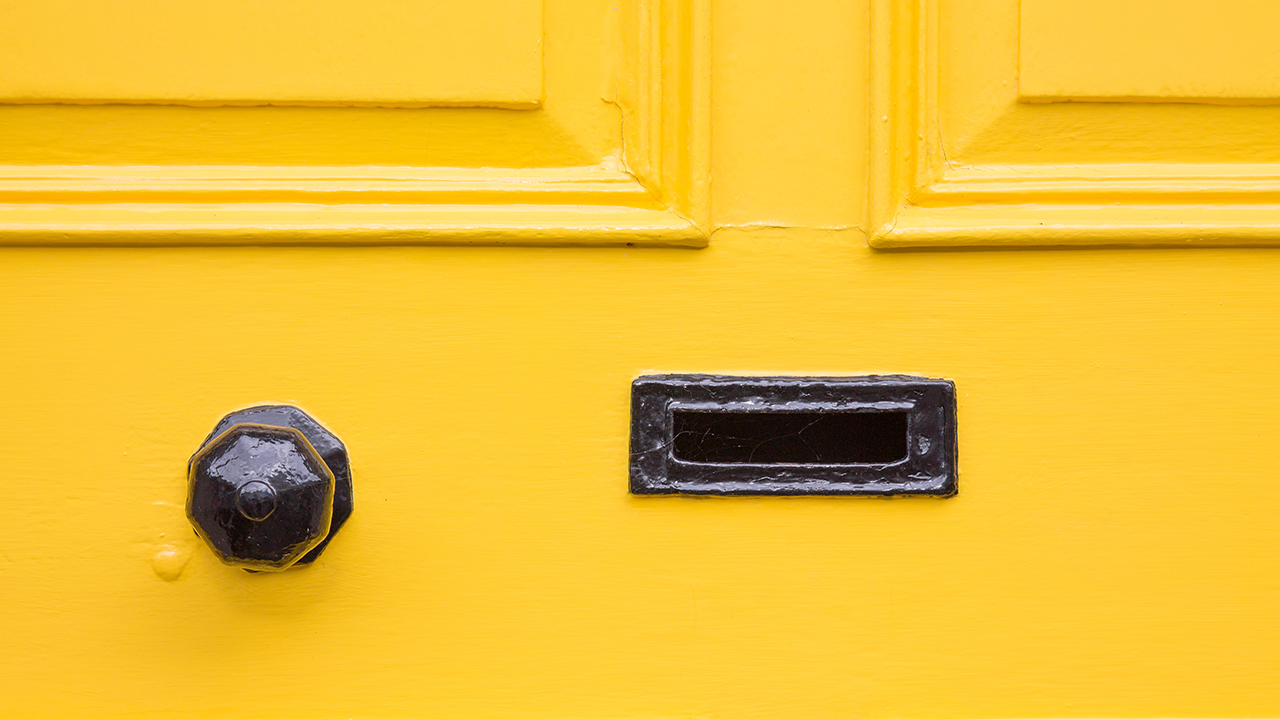
The landscaping up to your front entryway might be fabulous, but if it all leads to a tired old door with peeling paint and a rusty door handle, your whole curb appeal can be thrown out of whack. Experts agree that a new front door or even just a simple paint job is an investment that will garner a big return on investment.

A front door in good shape will give the home that cheerful look and feeling that buyers want and expect. And don’t forget about the garage doors – they can have just as big an impact as your front door.

7-curb-appeal-blunders-that-can-curtail-door

3. Outdated Light Fixtures

The condition of the front door might be very important to a home’s curb appeal, but the light fixtures play a key role too. Buyers won’t exactly get that warm, fuzzy feeling when they approach a front door only to be greeted by rickety, rusty light fixtures and dim, flickering lights. If the fixtures at your front entrance are less than inviting, be sure to change them before your first prospective buyer visits. 

4. Wild Weeds

Not only are overgrown weeds scattered about the lawn highly unsightly, they also cause damage to the grass and flowers because they take valuable food and water away from them. Weeds can also wreak havoc on the hardscaping by flooding into cracks and crevices.

If your front lawn is loaded with weeds, you need to eliminate them right away before they completely take over. Your best bet is to nip the growth of weeds in the bud by spreading pre-emergent before the seeds of weeds are even given a chance to germinate. After that, some good old-fashioned elbow grease might be necessary to pluck those pesky weeds from your lawn.

7-curb-appeal-blunders-that-can-curtail-weeds

5. Dying Greenery

Your lawn may be wonderfully covered in all levels of bushes, trees and shrubs, but even just one dying or dead bush can make your entire landscaping look tired and unkempt.

Any dead parts of the landscaping should be pruned or eliminated altogether. If they haven’t been infested with insects, you can always use them as compost instead of throwing them in the trash.

6. Cluttered Entryway

Your property should never be allowed to have clutter accumulate, especially when it’s listed for sale. At no point should piles of shoes, mail, newspapers, toys, or lawn furniture be cluttered around your front entrance, let alone anywhere else on your property. Set your home up for a good impression and get rid of the clutter. 

7-curb-appeal-blunders-that-can-curtail-entry

7. Off-the-Wall Exterior Colors

Prospective buyers aren’t typically expecting to see bright, quirky colors on the exterior of homes they visit. That’s why professional home stagers generally suggest that sellers keep the color palette of their listed homes as neutral as possible to appeal to a larger pool of buyers.

Bold, vibrant colors might be your thing, but they might necessarily be what most buyers want. If your home is an off-the-wall color, consider repainting it in a neutral tone, such as off-white, beige, or light gray.

Before you list your home for sale, have a close look at its curb appeal. If you notice any elements that compromise the look and feel of your home, make sure to deal with them before the first buyer schedules a visit.

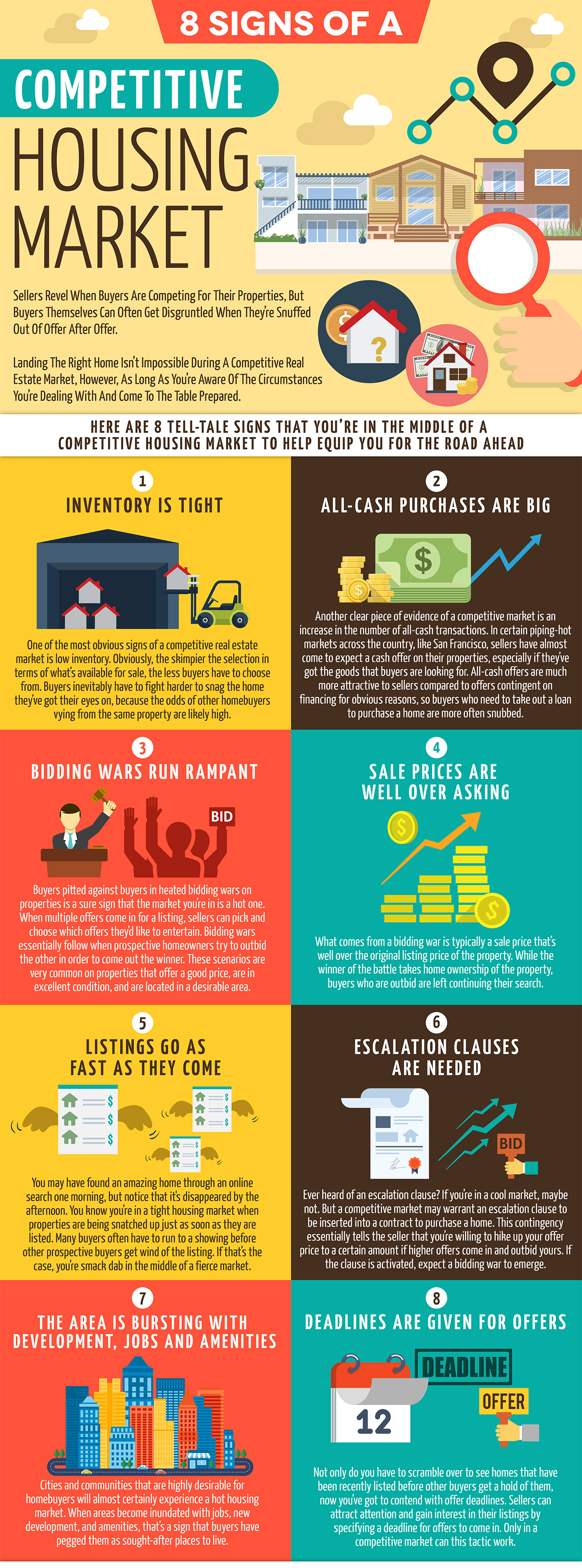
INFOGRAPHIC: 8 Signs of a Competitive Housing Market

8-signs-of-a-competitive-housing-market

Home Equity Loans 101: An Introductory Guide

Have you ever been faced with an extremely large expense? If so, you’ve likely experienced the challenges that come with trying to come up with such a huge amount of liquid cash.

Whether you need to pay for your child’s college education, a major home renovation, or an emergency medical expense, scraping the necessary funds together can be tough, but necessary. But if you currently own a home that you’ve been regularly putting money into via mortgage payments, you just might be able to tap into your home’s equity as a source to fund these major expenses.

home-equity-loans-101-an-introductory-guide-featured

What is Home Equity?

Before we dive into home equity loans, it’s helpful to first fully understand what home equity is. Basically, home equity is the difference between the appraised market value of your home and how much you still owe on your mortgage. For instance, if your home has been appraised at $350,000, and you still have $150,000 left to pay on your mortgage, you have $200,000 of equity in your home ($350,000 – $150,000).

The equity will typically increase over time as you continue to pay your mortgage and the value of your home rises.

What is a Home Equity Loan?

A home equity loan is a program that allows homeowners to borrow funds against the equity in their properties. Payments are made each month in addition to the initial mortgage already being paid.

With these types of loans, your home acts as collateral, which means the bank can repossess your home if you default on your second mortgage. If you end up selling your home in the future, you’ll be responsible for paying off both loans with the proceeds of the sale.

Lenders will have to analyze your financial history and credit before you can be approved for a home equity loan. The amount of equity you have in your home, your credit score, and your income will be looked at before a lender determines how much of a loan you can get, as well as the interest rate you’d be charged on your new mortgage. 

home-equity-loans-101-an-introductory-guide-loan

How Does a Home Equity Loan Work?

Homeowners can typically borrow as much as 85% of the equity in their homes. If approved, you’ll be given the loan in one lump sum to be used to pay for any large expense you’re obligated to pay. Generally, these loans need to be paid off in full within about 15 years or so, depending on the specific terms of the loan.

Just like a conventional mortgage, a home equity loan also comes with its own set of closing costs, including appraisal fees, title search fees, and lender fees. Usually, these closing costs can be anywhere between 3% to 6% of the loan amount.

Using a Home Equity Loan to Consolidate Debt

While home equity loans are often used to cover a large expense, they can also be used to consolidate high-interest debt, such as credit cards. Home equity loans are usually charged a much lower interest rate compared to credit cards, which can charge consumers as much as 20%. Because these rates are so high, a big portion of your monthly payments goes directly to covering interest costs rather than principle.

By taking out a home equity loan, you can use the lump sum of money to completely pay off your credit card debt while enjoying a much lower rate with your second mortgage.

home-equity-loans-101-an-introductory-guide-debt

Pros and Cons of a Home Equity Loan

Like many financial arrangements, home equity loans come with their own unique sets of advantages and disadvantages.

Pros – The obvious advantage of a home equity loan is the access to large amounts of cash that would otherwise be unavailable. Since they typically come with lower interest rates compared to credit cards, they can be used to replace higher-interest debt. And speaking of interest, you can deduct the interest portion of the loan come tax time.

Cons – Obviously, the drawback to home equity loans is the risk of losing your collateral if you default on the loan; namely, your home. Your credit score will also take a big hit in this event, which will make it much harder for you to get approved for loans in the future.

What’s the Difference Between a Home Equity Loan and a Home Equity Line of Credit?

Similar to a home equity loan, a home equity line of credit (HELOC) allows money to be borrowed against the equity already built up in your home. However, instead of getting one lump sum of cash, a HELOC works like a credit card whereby you access only a certain amount of money needed at any given time.

Whatever you borrow needs to be paid back on a monthly basis, just like your credit card bill. You’ll be given a limit on how much you can borrow, and take out as little or as much as you need as long as it doesn’t exceed this limit. You’ll be charged interest only on the portion that has been withdrawn, until you pay it back. As the principal is paid back, your credit revolves and you can access the funds again and again until the term of the loan ends.

The Bottom Line

If you’re drowning in high-interest debt or have a massive expense that needs to be paid off, a home equity loan can be a lifesaver. Just make sure you’ve got the financial backing and sufficient equity to protect you from being vulnerable to default.

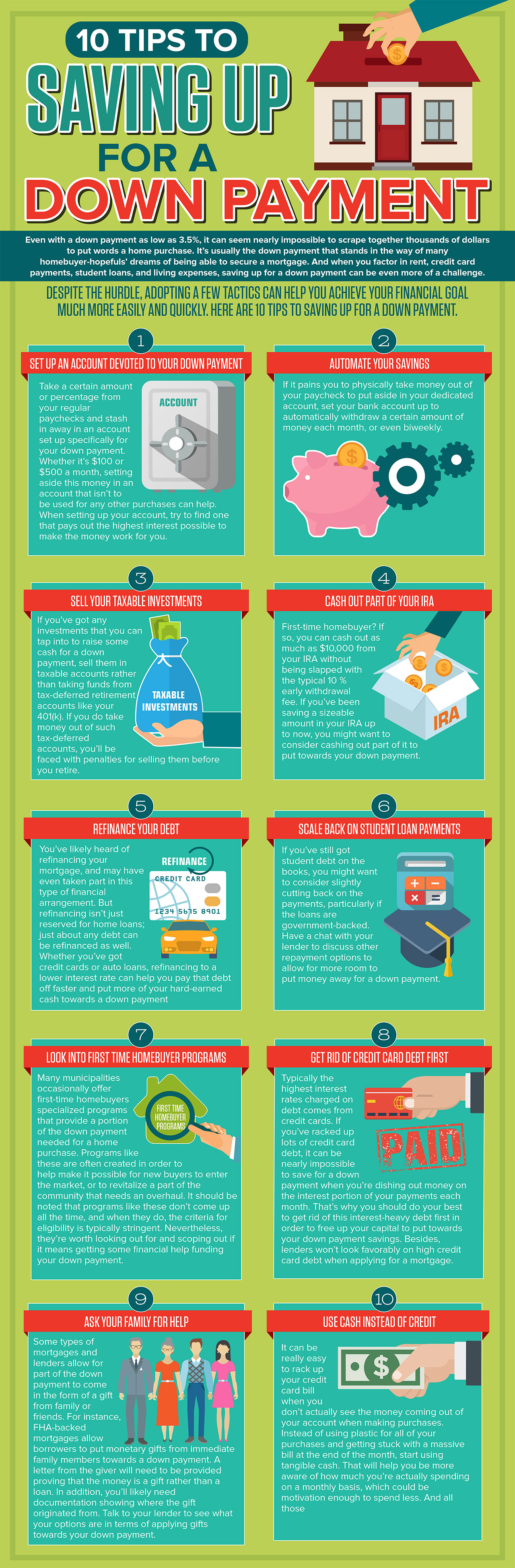
INFOGRAPHIC: 10 Tips to Saving Up For a Down Payment

10-tips-to-saving-for-a-down-payment